Tag: Amazon

Eyes on Fire

Economic Disparities and Media Silence

On September 21, a video of the smog-covered skies in Manaus went viral, drawing attention to the poor air quality caused by forest fires. The manauara influencer Bea Araújo’s impassioned denouncement of the city’s dire conditions also highlighted the silence of national media on the issue. A week before that, the State had declared an emergency situation [1]. One month later, things still look the same.

Economic disparities across Brazilian states are a key factor in media silence. States with greater economic power and influence, like São Paulo and Rio de Janeiro, often receive more media coverage and attention due to their profitable significance. In contrast, states facing greater economic challenges,like those in the north and northeast, often do not receive the same level of attention.

Furthermore, historical and political factors play a crucial role in shaping media coverage. States with a historical legacy of political power, such as those in the South and Southeast, may have more influence in national politics and media circles. As a result, events in these states tend to receive more attention. In contrast, regions that have historically been marginalized or underrepresented may struggle to get their issues noticed by the national media. Such disparities across states further exacerbate the unequal distribution of media attention and resources, creating a situation where crises like the one in Manaus may go unnoticed by the broader public for extended periods.

Fire in the Amazon

These disparities in media coverage can hinder efforts to address the root causes of environmental crises, such as the current forest fires. Every year, from July to November, the Amazon region experiences what is referred to as the“fire season”. This period marks the biome’s dry season and is associated with the highest occurrence of forest fires. However, this issue only persists due to the use of fire in agricultural practices and deforestation processes [2].

Adding to the complexity of the situation, the dynamics of forest fires in the region is exacerbated by climate change and El Niño. Climate change has significantly altered the rainfall pattern in the Amazon, with a trend towards a reduced duration of the rainy season and an increase in the duration of the dry season, particularly in the south of the biome. Moreover, the periodic warming of sea surface temperatures in the central and eastern tropical Pacific Ocean, known as El Niño, also has a pronounced effect on weather patterns in the Amazon. This phenomenon can lead to prolonged and severe droughts, resulting in reduced rainfall and decreased water levels in rivers and streams. This affects aquatic ecosystems and leads to water scarcity for local and traditional communities, not to mention the life risk the fires impose on them. Furthermore, the drier conditions increase the vulnerability of the Amazon forest to fires, creating a vicious cycle of environmental degradation and economic disparities that often remains underreported in the national media.

Despite the social and environmental repercussions of the on-going forest fires, numbers released back in August showed that deforestation in the Amazon fell by 66% in July. It was a historic record that marked 500 km² of degraded area compared to 1,487 km² in July 2022 [3]. These number seem to confirm the importance of the PPCDAm (Action Plan for the Prevention and Control of Deforestation in the Legal Amazon) reinstalled in the country as of June this year. However, the current situation might hurt this initiative in the long run.

Brazil’s Transversal Approach for the Environment

The Three Pillars of Sustainability

After the anti-democracy riots in Brasília last month, the new Brazilian Ministers of the Environment and Finances, Marina Silva and Fernando Haddad commented on the country’s environmental agenda in Davos during the World Economic Forum [1].

Silva highlighted the plans of the installed government to address national environmental issues in a transversal way, which was expected from Lula’s 2022 campaign. Looking back at his proposals, the environment was placed under an interdisciplinary axis called “Economic Development and Socio-Environmental and Climate Sustainability” [2]. According to Silva, Brazil aims to tackle social inequality and environmental protection simultaneously.She emphasized, “Sustainability is not only economical or environmental, but also social”.

Lula’s victory brought up the international support that will be indispensable for the recovery of the country’s social and environmental agenda. A crucial initiative back on the radar is the Amazon Fund. The Fund was once considered the primary national strategy for the Reduction of Greenhouse Gas Emissions arising from Deforestation and Forest Degradation (REDD+) [3]. However, since June 2019, the two committees that comprised the Amazon Fund governance – the Amazon Fund Steering Committee (COFA) and the Amazon Fund Technical Committee (CTFA) – were terminated. Therefore, the supporting countries no longer issued grants for investments, and there was no resumption of approval for new projects. Nonetheless, the ongoing projects at the time proceeded with their activities.

The Fund aims to implement actions to voluntarily reduce deforestation in the Amazon forest and other biomes. To do so, it supports projects in actions to prevent, monitor and promote the conservation and sustainable use of the Brazilian Amazon in different fields, such as:

  • Management of public forests and protected areas
  • Environmental control, monitoring, and inspection, sustainable forest management
  • Economic activities developed from the sustainable use of vegetation
  • Ecological-economic zoning (ZEE), territorial planning, and land tenure regularization
  • Conservation and sustainable use of biodiversity, and recovery of deforested areas [4].

Social Development

An important social aspect of the Amazon Fund is its support of traditional communities in the Amazon region, including indigenous people, extractivists and riparian communities. For instance, 28 out of 102 projects that benefit from the Fund are directly related to indigenous people. Many of these projects aim to promote food security (food production for own consumption) of traditional peoples. To do so, they “support the implementation of agroforestry systems, the signing of fishing agreements, the installation of processing units for socio biodiversity products, certification of origin, training, and the development of business plans, as well as research to develop new products derived from the fruits, seeds, and bioactive compounds of the Amazon flora” [4].

One of the projects supported by the Amazon Fund is the Kayapó Fund. The Kayapó territories comprise about 11 million hectares and are located south of Pará and north of Mato Grosso. The territories are centred in the region known as the Arch of Deforestation, famous for the highest deforestation rates due to advances of the agricultural frontier towards the forest. The Kayapó Fund aims to support projects of indigenous organizations that operate in this region with a focus on biodiversity conservation, territorial protection, development of sustainable, productive activities and strengthening of political representation of leaders.

Fig. 1: Dried Cumaru seeds (Fred Benenson. February 1, 2007). [Source: Wikipedia]

The Kayapó people have traditionally used and marketed Cumaru seeds. The indigenous people have used the seeds of Dipteryx odorata as a pain killer. A short documentary funded by the Kayapó Fund shows how the Kayapó collect, select and prepare the seeds before selling them. Due to its unique fragrance, the seed is used in cosmetics, soaps, and as medicine for different purposes.

Amazon Fund-supported projects aim to help traditional Brazilian peoples emerge from the food and health crisis as we resume biodiversity conservation.

References

Click here to expand the references
  1. Uchoa, P. and Beltran, L. World Economic Forum. Davos 2023: Brazil on a new economic and environmental roadmap. Retrieved on 28 January 2023 from https://www.weforum.org/agenda/2023/01/key-takeaways-on-brazils-new-roadmap-davos2023/
  2. Tribunal Superior Eleitoral – TSE. Luís Inácio Lula da Silva government proposal in 2022. Retrieved on 23 October 2022 from: https://divulgacandcontas.tse.jus.br/candidaturas/oficial/2022/BR/BR/544/candidatos/893498/5_1659820284477.pdf
  3. May, H.P. et al (2016). The context of REDD+ in Brazil, Drivers, actors and institutions – 3rd Edition, pp 57 – 76. Retrieved on 28 January 2023 from https://www.cifor.org/publications/pdf_files/OccPapers/OP-160.pdf
  4. Amazon Fund. Activity Report 2021. Retrieved on 29 January 2023 from https://www.fundoamazonia.gov.br/export/sites/default/en/.galleries/documentos/rafa/RAFA_2021_en.pdf

Brazil’s 2023 Environmental Agenda: First Steps towards Reintegration

It is now official: Lula is the new president of Brazil as of first January 2023. After a very tight election, Brazil encountered resistance from pro- Bolsonaro electors that protested the results blocking federal roads. The protests lasted approximately a month [1]. However, other electors decided to take a different path to contest the election results and ask for military intervention. Camped outside military facilities all over the country they ask the Forces to take the Estate [1]. However, since last Sunday (11) the country has made the election results official, and Lula had his third diplomation ceremony in the country. A heart touching moment for democracy.

What about the Environment?

The mandate of Brazil’s new president, Lula, has not even begun and the international reaction was unanimously cheerful. Actively present on social media, right after the elections, Lula shared with his voters on Instagram the various messages that arrived from governments all around the world, such as Alberto Fernández, Emmanuel Macron and Joe Biden [2].  And the international support for the new president will be a key in the country’s new environmental agenda.

Fig 1: Lula’s caricature from @sharpon_eco

By attending the COP27, Lula legitimized his interest in the preservation of the Amazon as well as in the protection of indigenous peoples. Moreover, he stressed that with his victory also “the commitment to confront climate change with determination” [3]. In his speech, the president highlighted the world’s hurry to find solutions for our planet that is being exhausted every day, and the importance of the countries to unite among themselves otherwise we are doomed to fail.
While Lula awaits his inauguration, his transition team worked to ensure that he takes office knowing all the information about the Federal Government, the Public Administration, ongoing projects and programs, and other issues. The members of the team were selected by the elected president and were responsible for working on specific themes of the government. A notable difference between the transition team of the current government and the future one was precisely the presence of the Technical Group for the Environment [4]. The composition of the team also brightened the mood. With several academic and environmentalist members, hope has also returned to those who are seriously dedicated to environmental causes in Brazil.

Brazilian Elections: What did Bolsonaro do for the Environment in the Last Four Years?

As the second round of the Brazilian presidential electionapproaches, the fight against fake news and the publication of public data on social media is growing exponentially. In this article, we review some environmental key facts that took place during Jair Bolsonaro’s four year mandate.

Attempt to Remove the Ministry of the Environment

In 2018, Bolsonaro’s government did not present any specific environmental management plan, much less a strategy to tackle the Amazon deforestation or implement the Action Plan for the Prevention and Control of Deforestation in the Legal Amazon (“PPCDam”). Instead, it tried to remove the Ministry of the Environment (“MMA”: is one of the public agencies in charge of the PPCDam and the protection of the Amazon), and merge it into the Ministry of Agriculture, claiming that they were “inefficient and did not serve the legitimate interests of the Nation” [1]. The proposal was never really implemented, but since then the MMA had to face tough operational challenges. Its Conservation and Sustainable Use of Biodiversity and Natural Resources program was cut by 139 million reais and its servers operating hours were constrained through an amendment of the Portaria no. 491 environmental law [2].

As reported by the Amazônia Real portal, this and other political maneuvers facilitated criminal activities in the jungle because environmental inspections and law enforcement was restricted to office hours. Environmental protection officers operating outside legitimate hours risked administrative proceedings, punishments and warnings, and their own life.

Deforestation Increase in the Amazon

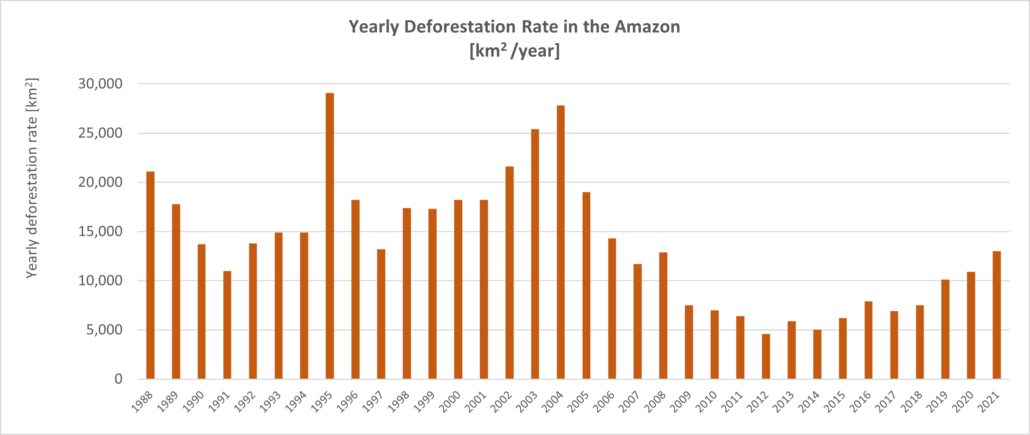
Despite Bolsonaro’s allegations that deforestation decreased during his government, current data from the National Institute of Spatial Research proved the opposite (Figure 1). Since 2018, the deforestation rate has grown by 73 %, passing from 7,500 km² in 2018 to 13,000 km² in 2021. Conversely, during Lula’s (Luís Inácio Lula da Silva) mandate, the deforestation rate had decreased by 67 %, going from 25,400 km² in 2003 to 4600 km² in 2011 [3].

Fig. 1: Deforestation rates in the Amazon (“Amazonia legal”) from 1988 to 2021 [3].

More Freedom to Land Owners

The current government increased the freedom of land ownersand reduced the degree of State interference on farms:

“The State must make it easier for the farmer and their families to be the managers of the rural; identify which are the areas where it really needs to be present, and at what level.”

A Growing Threat to Indigenous Areas

Two delegates of Bolsonaro were put at the head of the National Indigenous Foundation and the Ministry of Agriculture: Marcelo Xavier and Nabhan Garcia, two ruralists that strongly support agribusiness.

In April 2020, the newly approved Normative Instruction no. 9 left non-homologated indigenous areas(i.e., lands with a marked physical border not yet validated by a Federal Decree) unprotected [4]. Two years later, 415 farms, equivalent to 239,000 hectares, had been registered within non-homologated indigenous land [5].

Fortunately, in 2021 the Federal Public Ministry suspended the Normative in several Brazilian states because it violated the constitutional rights of indigenous peoples, favored the illegal occupation of public land and caused agrarian conflicts [6]. Since then, several reports and demonstrations denounced how the government was threatening the lives of indigenous people, and, consequently, threatening several areas of environmental protection  within indigenous land or land inhabited by indigenous people [7].

Hampering Family Farming

While agribusiness and illegal mining activities expanded at the expenses of deforestation and indigenous lives, family farming was severely hampered under Bolsonaro [8]. Public policies that ensured the sales and distribution of family farming products all over Brazil were modified and funding was drastically reduced. While agribusiness products are intended for export, family farming feeds a large part of the Brazilian population. Since family products are supplied in a multitude of public institutions, educational and health care centers, damaging family farming generated hunger in the country.

Violence Increase in the Amazon

In the last four years, the Amazon has seen an intensification of violence; especially murders in the states of Amazonas, Pará, Roraima, Amapá, Espírito Santo, Rio de Janeiro and Pernambuco [9]. Amazonas, in particular, has been stage of tragic stories, such as the murder of two important environmentalists on the fight for indigenous people rights: Dom Phillips and Bruno Pereira [10].

Bolivian Agroecology in Harmony with Forest Conservation

For seven years, PROBIOMA-PROBIOTEC has managed to establish a link between agroecology and forest conservation and restoration. This link has become a priority objective after the socio-environmental disaster brought by the 2018-2019 fires in Chiquitanía, in the Bolivian Amazon. Large areas of forestland were burnt and hundred of local communities were devasted: their lifestyles and food supply depended on forests, which provided food, generated water and regulated the climate.

The Covid-19 pandemic worsened an already fragile situation and increased the risk of communities isolating themselves, in order to protect their people from the disease. Under these conditions, PROBIOMA-PROBIOTEC started to support ecological home gardens and forest restoration in the Chiquitanía. The ecological gardens proved to be the best response against the pandemic. It provided locally grown healthy and nutritious food that strengthened their immune system and reduced people moving outside the community. The restoration of the forested areas, however, was still unsolved.

To tackle the issue, PROBIOMA and GreenMarked decided to set up a plant nursery at PROBIOTEC’s agroecological center in San Luis (Santa Cruz de la Sierra) to grow local tree species and transfer them to the Chiquitanía communities. Planting forest species, fruit trees and medicinal plants may recover part of the lost biodiversity and contribute to the long-term wellbeing of the communities. It can also help local producers in recovering and strengthening that traditional vision of forest management and care.

Fig. 1: Tree planting activity at Portón community in Chiquitania. Author, August 2022.

Mainly determined by deforestation, one of the greatest challenges of the project is water scarcity. The forest restoration process had to be accelerated to take advantage of the first rains of August, which can consolidate the newly transferred plants. The first 75 forest trees
(tajiboand mara), 145 fruit trees (achachairu, pacay, acerola
cherry and orange) and 380 medicinal plants (mint, rosemary, oregano, peppermint) were planted in small-scale forest patches.

With the help of local nurseries from the Chiquitanía, some forest seeds and seedlings were collected and grown locally, thus accelerating the process. The process is also expected to become sustainable when the incentives from GreenMarked and PROBIOMA-PROBIOTEC will stop. Even after the project touch-down, the communities will have a diversified pool of forest seedlings that will allow them to continue the restoration process independently, following their management decision and as long as necessary for the conservation of their forest.

Cover image: A view of the citric fruits orchard at the agroecological center of San Luis, Santa Cruz de la Sierra (Bolivia). Mark L. Miller, January 2022.

Preview image: Tree planting activity at Portón community in Chiquitania. Author, August 2022.

An Agroecological Farm in Santa Cruz de la Sierra, Bolivia


Today, agriculture’s global and national context forces the whole civil society to reflect about the present and future of food production. The paradigm of what food security and sovereignty means need to be understood and put into practice beyond the talks and recommendations that are repeatedly mentioned in international forums and policies.

Despite it is embedded in the country’s constitution and stressed by several national laws and regulations, Bolivia’s food security and sovereignty is not fulfilled and seem to remain only on paper. Bolivia is and continues to be an agroextractivist country that promotes the production of commodity crops. Soybean is one of them. Transgenic soybeans occupy 35 % of the total cultivated area in Bolivia [1] at the expense of other more importantcropsfor the internal market and the nutrition of the population (i.e., cereals, tubers, fruits, vegetables, energizers).

Paradoxically, Bolivia imports these foods for a value of approximately US$ 773 million [2]. In a country considered among the 11 richest countries for biodiversity, this scandal reflects how international corporations owning transgenic seeds and agrochemical products have subordinated Bolivian policies to their interests.

Unfortunately, schools and educational centers also seems to have been affected by the interests of agribusinesses [3], testified by a high number of students being in favor of the use of transgenic seeds and agrochemicals.

Worsened for several decades, this situation has led to food production failure and global market speculation but paved the way for a strong outburst of agroecology. The non-governmental organization PROBIOMA-PROBIOTEC is one of the institutions that has been supporting and promoting this new type of farming. Accredited by the International Network of Analog Forestry (“RIFA”), its agroecological farm established in San Luís, about 50 kilometers from Santa Cruz de la Sierra, has become an important reference for agroecological production in the Bolivian Amazon.


Fig. 1: View of the agroecological farm in San Luís on a bright sunny day (GreenMarked. San Luís – Santa Cruz de la Sierra, Bolivia. June 2022).

During the last six years, PROBIOMA-PROBIOTEC has been promoting agroecological field practices to agronomy students from public and private universities. Thanks to an intense field-based traineeship program of four-to-five months at the farm, students can prepare their thesis on a specific agroecological crop or process. In this way, students can experience innovative and ecofriendly agricultural and forestry practices – not only theories – and acquire new technical skills to become competent ecological agronomists, environmental engineers and biotech researchers of the future.

An example of traineeship experience we should mention is the work carried out by two students from the private University of UCEBOL. In May, students Dora Cruz Coronado and Christian Zabala supported the establishment of an agroecological plant nursery for the production of fruit and native forest trees. The trees will be transferred in September – December to the farming communities of the Chiquitanía region, which has been severely hit by recent forest fires and lost hundreds of forest hectares [3]. Financially sustained by GreenMarked’s “Agrecol Trees – Chiquitanía” project, this initiative not only supports agroecological education but also responds to local society’s social and environmental needs.

Thanks to the differentiation of organic trees and by embodying the agroecological approach and vision, this new type of Bolivian-Italian collaboration effectively tackles both biodiversity conservation and food security and sovereignty.


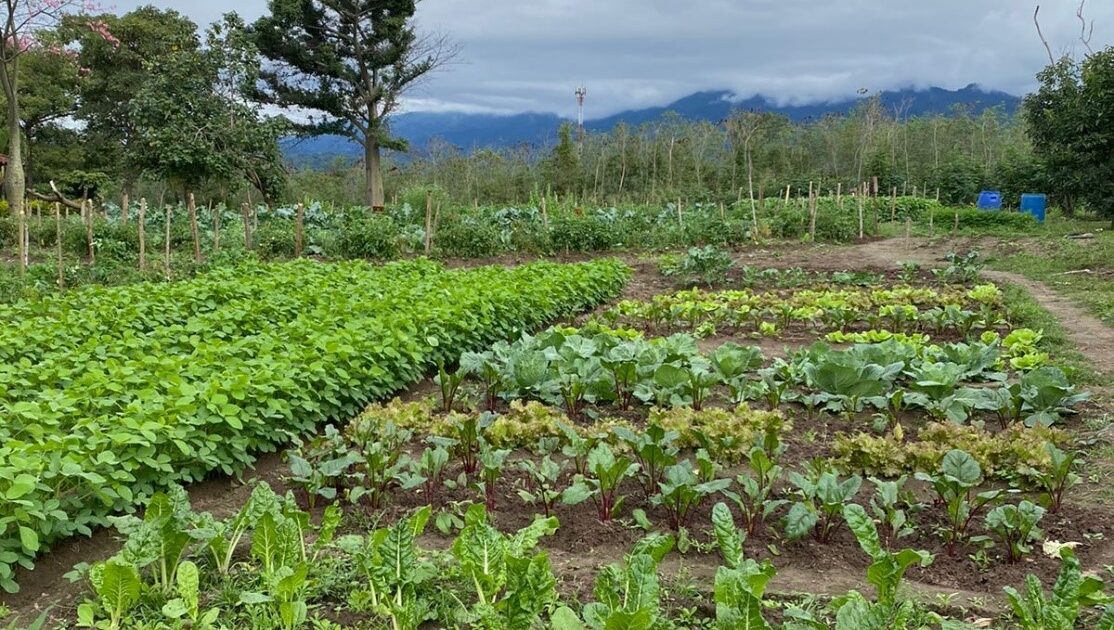
Fig. 2: Organic soybean in association with organic vegetables at PROBIOMA-PROBIOTEC’s agroecological farm(GreenMarked. San Luís – Santa Cruz de la Sierra, Bolivia. June 2022).

Cover photo:Front view of PROBIOMA-PROBIOTEC’s agroecological farm(GreenMarked. San Luís – Santa Cruz de la Sierra, Bolivia. June 2022).

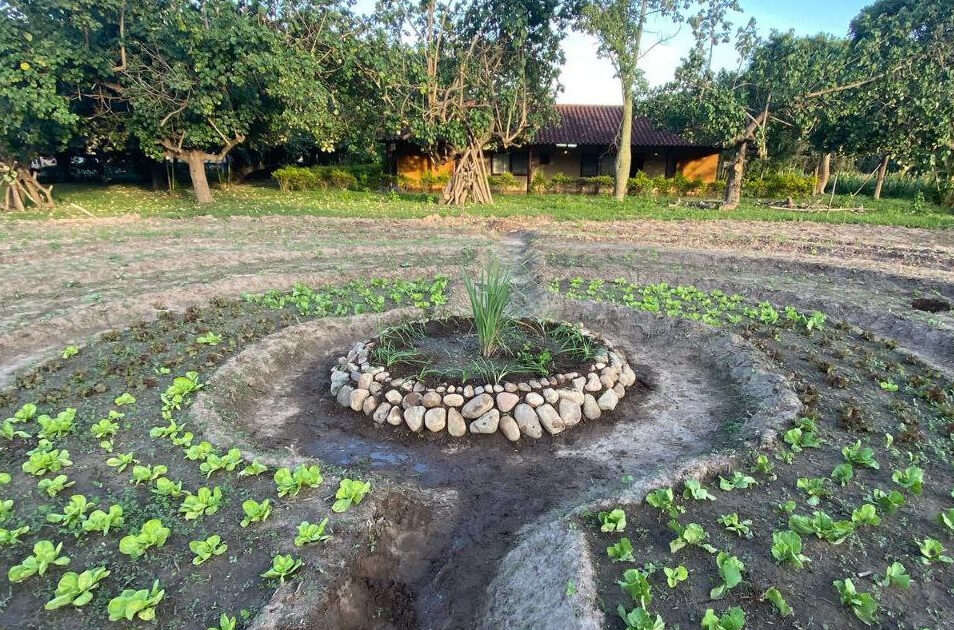
Preview photo:View of the mandala vegetable garden at PROBIOMA-PROBIOTEC’s agroecological farm (GreenMarked. San Luís – Santa Cruz de la Sierra, Bolivia. June 2022).

References:

[1] PROBIOMA. (2021, December). PROBIOMA impulsa el fortalecimiento de la producción de alimentos desde las comunidades. Agroeco noticias. https://web.probioma.org.bo/index.php/component/joomdoc/doc_download/275-agroeconoticias-15

[2] Miller, M. L., Santos Ferreira, S., Löbmann, M., Schermer, M., Foschiera, A., & Zerbe, S. (2022). An outlook on the future of Brazilian agriculture: how farming students of Tocantins perceive sustainability in the Cerrado. Brazilian Journal of Environmental Sciences (Online), 57(2), 215-229. https://doi.org/10.5327/Z2176-94781328

[3] PROBIOMA. (2020). El modelo agropecuario global que enferma, contamina y no alimenta. https://web.probioma.org.bo/index.php/component/joomdoc/doc_download/251-probioma-bolivia

[4] ABT. (2021, May 11). Audiencia Pública Final de Rendición de Cuentas Gestión 2020. http://abt.gob.bo/images/stories/audienciaPublica/2020/final2020/informe.pdf

This article was written for the “Agrecol Trees – Chiquitanía” project, funded by GreenMarked and implemented by PROBIOMA-PROBIOTEC.

A traineeship in agroecology. The review of two Bolivian university students

At the state of art, conventional farming based on agrochemicals and transgenic crops is provenly unsustainable and has a great impact on forests. Since the agricultural frontier must keep moving forward, forested areas are destroyed year after year through slash-and-burn practices and intentional and accidental forest fires. Reforesting areas burned by direct or indirect farming activities is meaningless without the consolidation of nature-friendly farming methods, such as agroecology, which respects forests, biodiversity, the soil, and water resources.

For these reasons, two agronomy students at the University of Santa Cruz de la Sierra chose agroecology for the mandatory traineeship. They opted for the agroecology training program of PROBIOMA–PROBIOTEC, GreenMarked’s business partner for the “Agrecol Trees – Chiquitanía” project, and among the biggest actors in agroecology and organic pest control in the department of Santa Cruz, Bolivia.

This interview recounts their first month experience in the traineeship program and their views on Bolivian agroecology.

Why did you decide to do your traineeship and write your thesis on agroecology and the ecological management of crops and fruit trees?

Christian: I’ve always been interested in organic products and always wanted to learn about agroecology and the ecological management of organic crops. PROBIOMA – PROBIOTEC has plenty years of experience in the field, and I think it will help me write an interesting thesis that can give a valid contribution [to the scientific community].

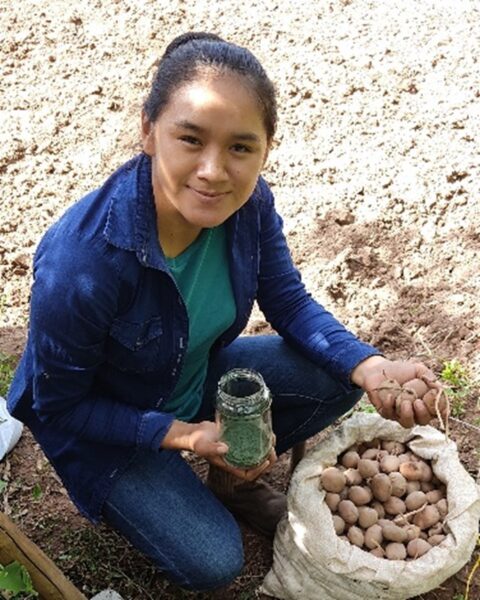
Dora: To complete my university curriculum, I am conducting a research study that evaluates how agroecological farming affects the agroeconomic factors and thus yield potential of potato cultivation (Solanum tuberosum). Additionally, it will analyze the impact of agroecological management on pests and diseases severity in order to promote agroecology as a mean to optimize potato farming (Figure 1). I chose PROBIOMA-PROBIOTEC to carry out this study because I was very eager to investigate on agroecological management, and to learn about organic production and pest control methods.

Fig. 1:Agronomy student Dora Cruz Coronado treating seed potatoes with TRICODAMP, a microorganism that protects potatoes from soil diseases (GreenMarked. San Luís – Santa Cruz de la Sierra, Bolivia. March 2022).

Why did you decide to do your traineeship and write your thesis on agroecology and the ecological management of crops and fruit trees?

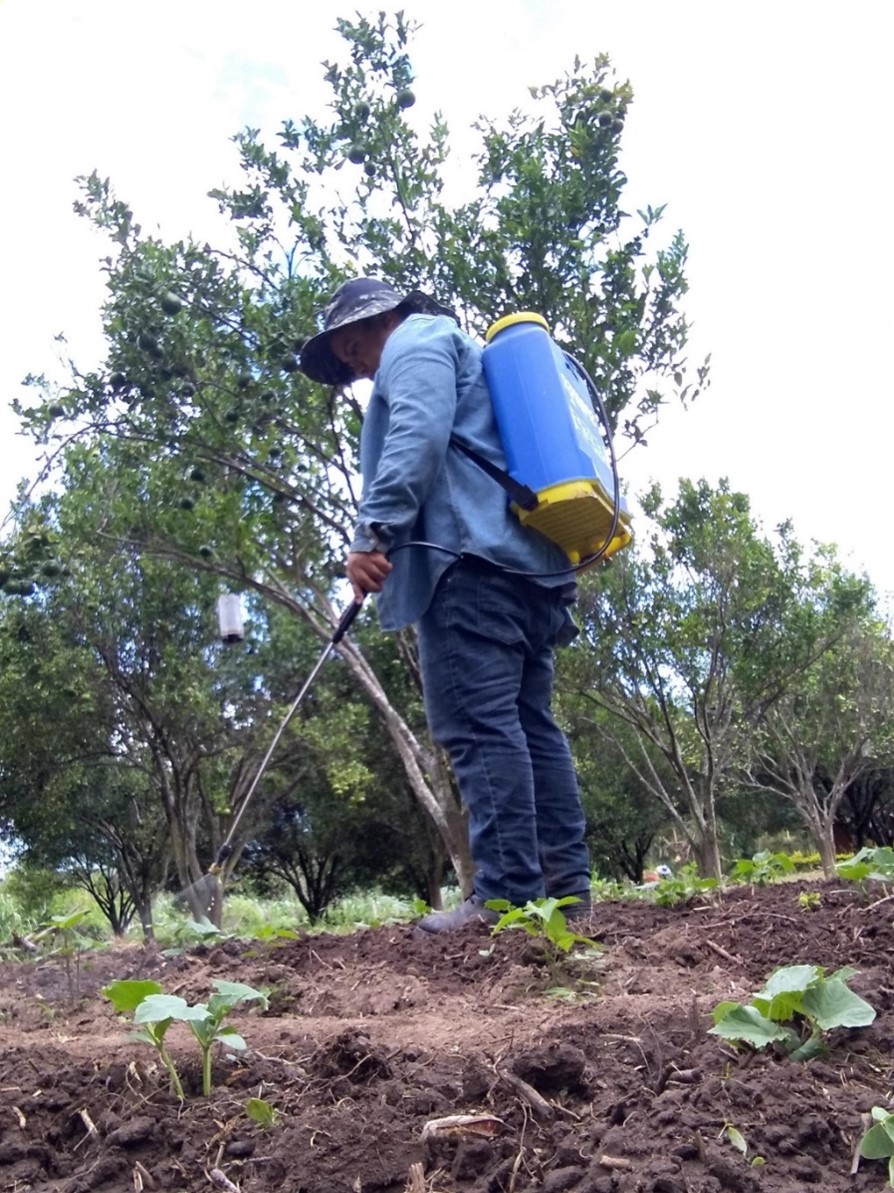
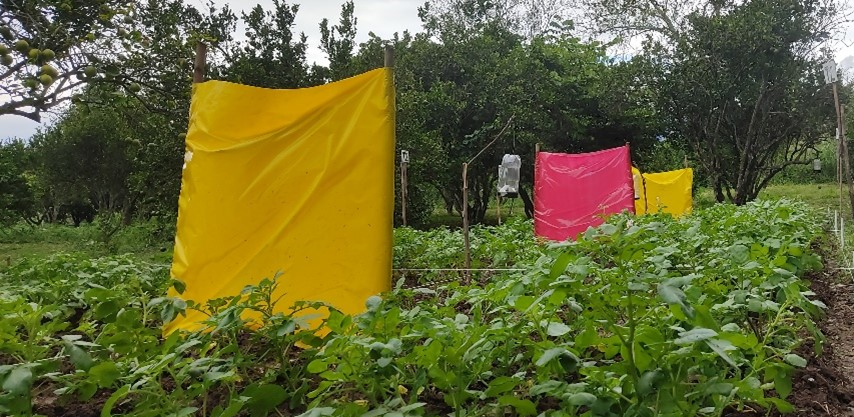
Christian: Crops and fruit trees ecological pest management tries to avoid the damage caused by agrochemicals using organic products based on mineral broths, traps, pheromones or even microorganisms like entomopathogenic or microparasitic fungi, and beneficial bacteria. These more environmentally and soil friendly products are prepared and used at the PROBIOMA-PROBIOTEC site at San Luís – approximately 55 kilometers from Santa Cruz de la Sierra – under the names of “Probiobass”, “Tricodamp”, “Biosulfocal”, “Biofrut”, “Biogal” (Figure 2).

Dora: Agroecological farming is based on the ecological management of crops, fruit trees, fruit and forest trees seedlings. It aims to produce high quality food, restore farm and forest biodiversity, respect the natural environment and preserve soil fertility. One of its main strategies is to avoid soil deterioration through crop rotation and use organic fertilizers and plant protection products. At the PROBIOMA-PROBIOTEC production site, we learned to apply “Biogal”, an organic foliar fertilizer, “Biosulfocal”, an acaricide and fungicide that respects beneficial biodiversity, and Trichoderma spp., a mycoparasite that protects against fungal diseases. All these organic products are key for agroecological substrate preparation and seed treatment. They help making agriculture sustainable in the long term, contribute to biodiversity conservation and support true sustainable rural development.

Fig. 2:Agronomy student Christian Zabala spraying organic product PROBIOBASS on vegetables to prevent insects damage (GreenMarked. San Luís – Santa Cruz de la Sierra, Bolivia. March 2022).

What did you learn in your first period of agroecological farming traineeship?

Christian: From my experience, these organic products have given excellent results. They have fulfilled their function of controlling pests without harming crops and they can be applied in every plant growing stage: from substrate preparation to harvest. Results were very positive in both horticultural fields and fruit tree orchards (Figure 3), and the organic products prevented and controlled both soil diseases and foliar pests.

Besides ecological pest control what else are you doing in your traineeship?

Christian: I am currently helping put up a plant nursery for fruit and native forest trees, whose seedlings will be transferred to fire-affected farming communities of the Chiquitanía region. To establish a new plant nursery, you must have proper shading conditions, fertilized soil for seedling growth, and sufficient water availability for irrigation. Additionally, you must know how to use organic products responsibly to prevent diseases and pests. All these elements guarantee a good production within the plant nursery. The new healthy, strong and disease-free plants will then be easily transferred to the Chiquitanía region and they will help restore the burned areas and improve the farming activities of local communities.

Dora: Apart from my research on agroecological management impacts, I am learning how to establish a plant nursery for the production of fruit and native forest seedlings. The plants will be transferred to the fire-affected communities of the Chiquitanía region, thus helping will help forest restoration and supporting local food security in the medium term.

Fig. 3:The “Ethological traps” (colored) capture insects that determine plant diseases (GreenMarked. San Luís – Santa Cruz de la Sierra, Bolivia. March 2022).

So, all in all what do you think about your traineeship in agroecology?

Christian and Dora: It is giving us the foundation for our university thesis and qualifies us as professionals specialized in agroecology and ecological pest management. It is a great contribution to implementing forest-friendly sustainable agriculture.

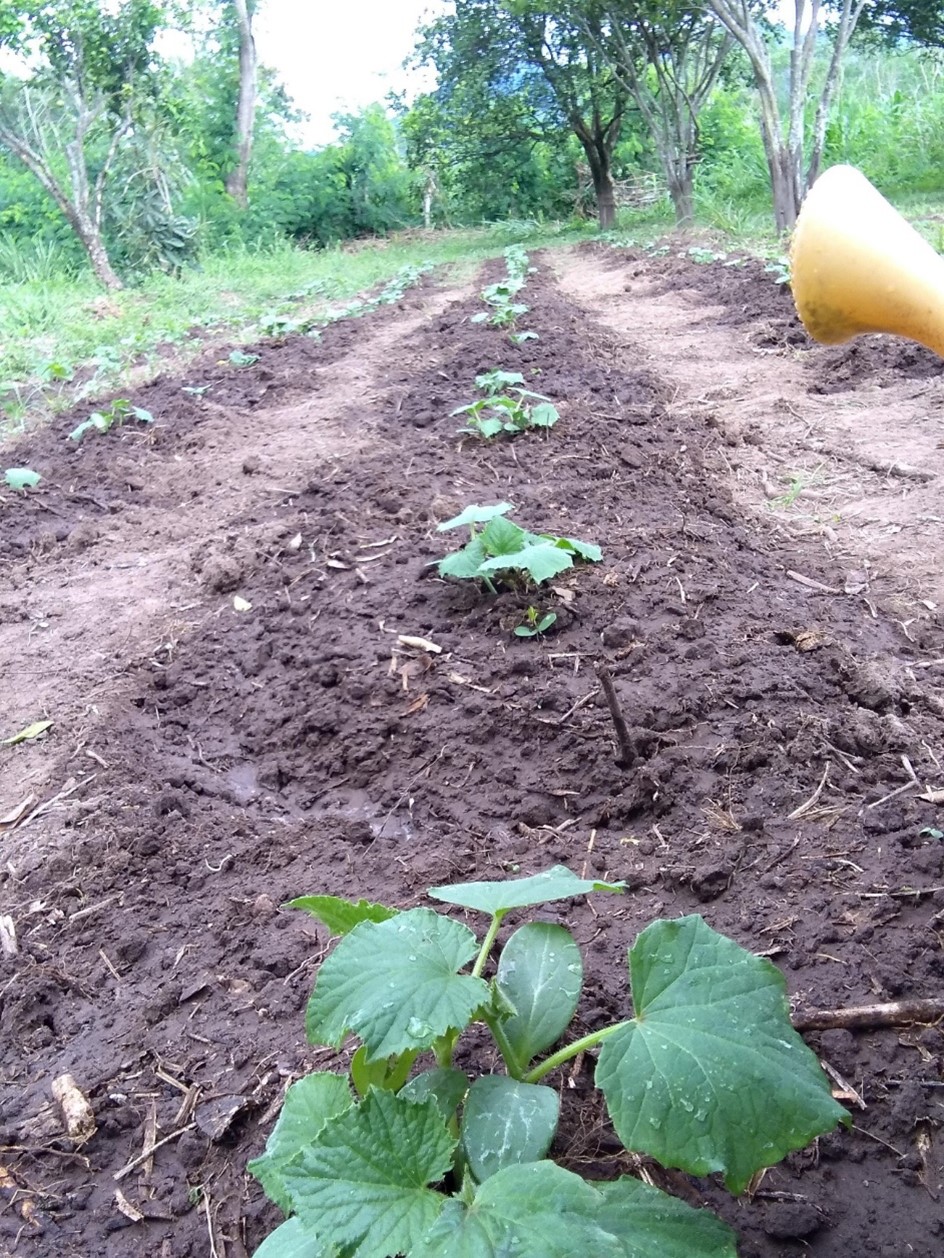
Fig. 4:Ecological cultivation of zucchini (GreenMarked. San Luís – Santa Cruz de la Sierra, Bolivia. March 2022).

Cover photo: Ecological cultivation of tomatoes (GreenMarked. San Luís – Santa Cruz de la Sierra, Bolivia. March 2022).

Preview photo: Agronomy student Dora Cruz Coronado treating seed potatoes with TRICODAMP, a microorganism that protects potatoes from soil diseases (GreenMarked. San Luís – Santa Cruz de la Sierra, Bolivia. March 2022).

This article was written for the “Agrecol Trees – Chiquitania” project, funded by GreenMarked and implemented by PROBIOMA-PROBIOTEC.

Rispetto per la Bolivia, l’Amazzonia, il buen vivir

Bolivia. Dopo le elezioni presidenziali, migliaia di boliviani arrabbiati hanno occupato le strade di La Paz per chiedere più democrazia al sempre più egemonico Evo Morales. Il presidente andino, artefice della nuova costituzione boliviana, dopo aver perso il referendum nel 2016 che gli garantiva il terzo mandato, è stato pubblicamente accusato dal popolo di brogli elettorali. Secondo la corte costituzionale la vittoria di Morales è data al primo turno senza un ballottaggio, contrariamente a ciò che è garantito dalla costituzione boliviana. È difficile stabilire chi ha ragione e chi ha torto ma la sete di potere di Morales sta andando oltre le indicazioni del principale testo legislativo nazionale,la volontà del popolo e il rispetto di Madre Natura
[1].

La Bolivia non è né il Venezuela, né Cuba. #BoliviaSeRespeta.

Un rispetto che è scritto su carta ma non esiste nella pratica. Nero su bianco si scrive di proteggere le risorse naturali, nero su bianco si firma il via libera alla costruzione di mega opere
per estrarre idrocarburi e minerali in luoghi inesplorati ed espandere l’area di coltivazione della coca
[2]. Un paradosso che sta causando la contaminazione del suolo e delle acque in territori amazzonici abitati dalle popolazioni indigene [3].

Tpnisi, Bolivia. Il territorio indigeno e parco nazionale Isiboro Sécure è minacciato dalla costruzione di una nuova autostrada che potrà aiutare l’espansione della coltivazione di coca. (Fotografia: Martin Alipaz/EPA. Fonte: The Guardian [2])

Se ne è parlato anche nell’ultimissimo Sinodo della Chiesa cattolica per l’Amazzonia, terminato lo scorso 27 ottobre con la pubblicazione del documento finale. In sintesi, si richiedono quattro tipi di conversione: integrale, pastorale, culturale ed ecologica. Viene promossa l’ecologia integrale, evidenziata da papa Francesco nella sua Laudato sii,quale “unico cammino possibile per salvare la regione dall’estrattivismo predatorio, dallo spargimento di sangue innocente e dalla criminalizzazione dei difensori dell’Amazzonia”. Un’affermazione della Chiesa cattolica che più assomiglia ad una sacrosanta denuncia, peraltro enfatizzata dall’introduzione del “peccato ecologico”, ovvero il “peccato contro la Creazione”. Non solo concetti teologici ma anche proposte concrete. Il Sinodo, difatti, suggerisce la creazione di un fondo mondiale per le comunità amazzoniche, quale restituzione doverosa del debito che molti Paesi sviluppati hanno con l’Amazzonia, quale arma di contrattacco contro gli interessi economici di Stati e multinazionali, quale strumento di difesa del ben vivirdelle popolazioni indigene [4].

Il buen vivir è un’ideologia che letteralmente significa “il giusto modo di vivere”, inteso come una forma di coesistenza in diversità e in armonia con la natura al fine di raggiungere “the good way of living”. Un’idea controcorrente al consumismo e al capitalismo del mondo occidentale. In Equador e in Bolivia il buen vivirè stato inserito nella costituzione. Inoltre, dal 2009 la Bolivia considera il buen vivir come un principio guida nell’azione dello stato. Un’innovazione storica, altamente ecologica e democratica, ancora impensabile alla logica neoliberista dell’UE e totalmente in contrapposizione con l’attuale politica egemonica e sfruttatrice di Morales[5].

Referenze:

[1] Rapino, G. (2009). La Bolivia a un passo dalla guerra civile. Antenne di Pace.[online] Available at: https://www.antennedipace.org/2019/10/24/la-bolivia-a-un-passo-dalla-guerra-civile/ (Last accessed 2019.11.01).

[2] McCormick, M. (2017). ‘They lied’: Bolivia’s untouchable Amazon lands at risk once more. The Guardian.[online] Available at: https://www.theguardian.com/environment/2017/sep/11/they-lied-bolivia-untouchable-amazon-lands-tipnis-at-risk-once-more (Last accessed 2019.11.01).

[3] Segreteria General del Sinodo dei Vescovi. (2019). L’ Amazzonia in Bolivia. [online] Available at:  http://www.sinodoamazonico.va/content/sinodoamazonico/it/la-panamazzonia/l-amazzonia-in-bolivia.html (Last accessed 2019.11.01).

[4] Vatican News. (2019). #SinodoAmazonico. Il Documento finale: Chiesa alleata dell’Amazzonia. Vatican News.[online] Available at: https://www.vaticannews.va/it/vaticano/news/2019-10/sintesi-documento-sinodo-chiesa-alleata-amazzonia.html (Last accessed 2019.11.01).

[5] Rapid Transition Alliance. (2018). Buen Vivir: The Rights of Nature in Bolivia and Ecuador. Rapid Transition Alliance.[online] Available at: https://www.rapidtransition.org/stories/the-rights-of-nature-in-bolivia-and-ecuador/ (Last accessed 2019.11.01).

Telegram: @greenmarked
LinkedIn: @greenmarked
Instagram: @greenmarked.it

Facebook:  @greenmarked.it


© GreenMarked.it is managed by ECONTROVERTIA APS — Via Alcide De Gasperi 1, 38015 Lavis (TN), Italy — VAT IT02667560227