Tag: active citizenship

The Philosophy of the Climate Movement: “Doomism” or Action, and the Dilemma of Non-Violence

I was born 65 ppm ago. “ppm” stands for parts per million, a measurement unit used to calculate how much of a gas there is inside another gas. In this instance we refer to the amount of CO2 dissolved in the atmosphere. While I’m writing these words, we have reached 433 ppm of CO2 in the air. Do the math. I was born under 400 ppm, which was kind of the 70s objective if we wanted to achieve another main goal in the fight against climate change, the well-known 1.5ºC increase of average annual temperatures under pre-industrial levels. 65 ppm later, the fight changed: now we want to avoid going over an interval of 2 to 5ºc. Two degrees might not seem much higher than 1.5, but four? That is well over three times the original goal.

I was born on the year of the fifth Conference of the Parts (COP) on Climate Change, and last year I followed the thirtieth closely. During all the years I have been familiar with the climate movement and its actions, two things have been constant. First, despite smaller victories – incredibly valuable and that deserve recognition –, the much-needed structural changes the system has to undergo for an actual effect did not arrive. And second, climate activism was, above everything else, the champion of non-violence. Protests were about sit-downs in front of oil company meetings, unfurling banners, demonstrations in which it was explained in every possible way that the methods were to be non-violent. “We must do everything accordingly and properly so we can be heard. Only like this our petitions will be valid and validated”. 65 ppm, 25 COP and 1.5ºC of warming later, who heard the petitions?

Now that we have reached this point, I have some questions for you: How do you feel? Do you feel sad? Helpless? Or are you angry? These words, do they push you to despair, or to fight even harder against climate change? A while ago we already dealt with eco-emotions: ecoanxiety, ecodepression, and ecorage. I sincerely hope you feel angrier than you feel sad or anxious, is far more useful. And less dangerous, as we are about to see. Today we will talk about two different sides of the climate movement: doomism (and derivates) and the call for “violent” action, both closely linked with the mentioned emotions.

Doom rhetoric: is it time to give up?


Figure 1: Peoplesclimate demonstration in Melbounre, banner reads “Anthropocene: we came, we conquered, we vanished”. Photo by Takver. Source: Wikimedia commons.

Doom rhetorics are born from despair and helplessness, which are mainly represented by ideologists like Roy Scranton, Jonathan Franzen, or our old acquittance, Kingsnorth. And as one might sense from the name of this ideological current, they hold little to no hope for the future. They defend that we must learn how to live with what we brought upon the planet and affirm that there is nothing we can possibly do, as “human beings are the killers of the natural world” [1]. From this kind of fatalist discourse that will certainly not encourage anyone to change nothing, some dangerous currents can also arise, such as ecofascism and the actual Deep ecology line of thoughts. The latter meant a huge input into the environmental ethics during its beginnings, with the theories of Arne Naess [2] talking about the need to develop an environmental awareness surrounding the human role as a part, rather than the owner of ecosystems, being conscious about their limits, as well as admitting the intrinsic value of everything non-human.

However, some people that consider themselves adjourned to this current have focused a lot on the “ecosystem limits” part during the last years, so much that they argue for the reduction of human population as a solution for the Earth. The idea of “human beings as parasites” is a slippery slope. Social ecologists Murray Bookchin wondered about “what disruption had turned man into that highly destructive parasite?”. All in all, human beings are social and gregarious animals, or they used to be. They used to be organized in societies in which collectivity and cooperation were the most important, and they depended on the health of the surrounding ecosystems to survive. According to Bookchin, the roots of the problem are the current system and organization that drain human’s community and solidarity nature, and they are regressive from an ecological perspective [3].

“[The current system and organization of society] undermine human spirit and community, and the viability of the planet and all living beings”

The problem here does not lie in human nature, then, and therefore it would have a solution. The problem with doomists is not usually that they deny the solutions, they admit that emissions would decrease if some changes were made. What they sustain though, is that a “radical reorientation of human economic and social production” is simply not going to happen. And thus, what they propose is to stoically accept it. Their acceptance, which seems nihilistic rather than stoic, brings us back to the aforementioned point: sadness or anxiety are useless in generating some answers. Especially because, as also mentioned, we know solutions are possible.

But what about probable? Is it worth it to fight? As journalist David Wallace-Wells said, “the fight is not yet lost, it will never be lost, as long as we avoid extinction, because however warm the planet gets, it will always be the case that the following decade could contain more suffering or less” [4]. And it is actually like that. If we cannot avoid global warming to stay under the 1.5ºC threshold, we can by any means possible try to keep it under 2ºC. And this leads us to the next question: which are these “any means possible”?

Climate action: where are the limits?

And so, we face yet another dilemma. Yes, the situation looks rather dire. Yes, we have the solutions. Or at least, we know them. We know what to do to reduce emissions, to stop temperatures rising, to reduce overexploitation of resources… And most importantly, we have said it. Scientists, activists and the ecological movement in general have tried to transmit it over decades: first, there was a crisis. Then, the magnitude. And in the meantime, the solutions. Everything in a civil, and according to Human ecology professor Andreas Malm, “in a gentle and mild in extreme way”. This is the main reasoning behind his book How to blow up a pipeline [5]. The title might look rather taunting – and it is, do not believe for a moment that this is an instruction manual –, but his proposal is basically what he gives away: he does not believe that the pacifist way is bearing the fruits that it should.


Figure 2: FridaysForFuture demonstration and banner that reads “Respect existence or expect resistance”. Photo by Leonhard Lenz. Source: Wikimedia Commons

Among the several aspects that compound the climate crisis, he focuses specifically on the greenhouse gases emissions and the subsequent global warming and focuses his proposals on how to fight against CO2 emissions and fossil fuel use. In what may only be referred to as a detailed, well-documented analysis on other social movements, such as the suffragettes’ struggle, slavery abolitionists, or the struggle for working rights, the conclusion he reaches might be slightly disorienting: no other movement has stuck so strictly to absolute pacifism as the ecologist one. Another difference with the other struggles is that fossil fuel use is not a political arrangement, as limited franchise or the length of the working day: they are the very technologies that allow the proper functioning of the system as it is, the foundations of “business-as-usual”. In Malm’s words, fossil fuel use is not a sideshow to bourgeois democracy, it is the material form of contemporary capitalism.

Throughout the book, Malm develops a series of proposals that are, at he very least, quite agitative, based in one idea: the potential usefulness of certain violent actions – always regarding properties and never against human beings – to push the limits of what the climate movement might achieve. This can sound quite similar to some controversial actions from the past, maybe. But how does he propose to push them? With sabotage directed towards devices or infrastructure emitting greenhouse gases. Although he rejects violence against other people, Malm recognizes that private property destruction is still violent, “but different to violence that affects people” and points out that he would reject sabotage that “may affect material conditions for subsistence”. One of the actions he uses as an example is one his group carried out in 2007, when several activists went through the most affluent neighborhoods in Sweden and deflated SUV’s wheels – the most emitting car on the market – to prevent its unnecessary use. He calls for sabotage of private jets, superyachts, and any other kind of devices that may create what he refers to as “luxury emissions”, those generated by non-essential consumption and that go beyond “subsistence emissions”, which are the ones that meet human basic needs. He quotes a well-known paper published in nature Climate change, in which it was reported how the richest 0.54% emits one third more than the poorest half [6].

Malm maintains that the sabotage he proposes would be useful in different aspects: it would demonstrate that the emitting devices can be put out of the market, as well as disincentivize investment in emitting technologies. He is no stranger to the radicality of what he supports and maintains as well that the carried-out actions would have to be undertaken in planned, conscious ways, and be kept at levels that would “avoid pushing away too much possible supporters”. While it would be impossible not to have detractors, he argues that “as long as you can explain the goal, plan and its execution” to a majority of people, it could also be a tool to further stretch the collective environmental conscience and generate changes.

Would it be actually useful?

Although it has been proved that doomism and fatalist rhetoric are not really useful to generate changes among the population, we are also not as convinced about Malm’s proposals being much more adequate as he may be. It seems that some of the campaigns he mentioned in the book, such as the SUV one, managed to decrease these cars’ demand in Sweden down a 27%. On the other hand, there have not been – as he mentions – campaigns as the ones he proposes at a considerable level. Surely his book cannot be described as anything but incendiary. They invite readers to reflect about the limits of protesting, and force them to question the situation, themselves, and the author as well.

It feels worth it to add an extra point that the author mentions, even if too briefly: the social rejection and/or support. While he may mention, as discussed, the potentiality of pushing society’s perception towards a more environmentally conscious one, he might have underestimated the rejection that these kinds of sabotage actions could stir up the public sentiment. As much as he admits that “a climate movement without social support remains largely in a void”, he fails to address precisely that: a collective environmental conscience. Is that the point we are at? Does he really believe that there is such a powerful environmental sense that would support these sabotages? I certainly would not dare to answer the questions asked by Malm so categorically, but I would like to retrieve a quote from Bookchin about the search for solutions regarding the climate crisis: “we cannot be extravagant enough in releasing the imagination of a man”

If you felt your interest piqued up by any of the proposals here, we would love to know your opinions, for further debates about them or the books, please reach out to us thought our Instagram (@greenmarked.it) or via e-mail (info@greenmarked.it).

References

Click here to expand the references
  1. [1] Berry M. (18 July 2018) Roy Scranton Calls for Acceptance of a Future Defined by Climate Change. Retrieved from https://www.sierraclub.org/sierra/roy-scranton-calls-for-acceptance-future-defined-climate-change
  2. [2] Naess A. (1973) The shallow and the deep, long‐range ecology movement. A summary, Inquiry, 16:1-4, 95-100. Retrieved from https://www.tandfonline.com/doi/abs/10.1080/00201747308601682
  3. [3] Bookchin M. (1964) Ecology and revolutionary thought.
  4. [4] Wallace-Wells D. (2 February 2019) The devastation of human life is in view: what a burning world tells us about climate change. Retrieved from https://www.theguardian.com/environment/2019/feb/02/the-devastation-of-human-life-is-in-view-what-a-burning-world-tells-us-about-climate-change-global-warming
  5. [5] Malm A. (2021) How to blow up a pipeline: Learning to fight in a world on fire.
  6. [6] Otto I.M., Mi Kim K., Dubrovsky N., Lucht W. (28 January 2019). Shifting the focus from the super-poor to the super-rich. Retrieved from https://www.nature.com/articles/s41558-019-0402-3

Cover image:

View of the Welzow Süd (Germany) open pit mine with an “Ende Gelände” banner that reads “Keep it on the Ground”. Photo by Rikuti. Source: Wikimedia Commons

How Many Trees Can a Person Plant?

About a year ago, we celebrated World Environment Day with an article that described how the commitment of individuals and organizations can really make a difference in reforesting degraded environments.

Today, we are doing the same, bringing you the incredible story of Augusto Girardelli and how he transformed an entire slope of Monte Baldo. But before going into detail, let’s try to better understand where this story is set.
The Baldo mountain range was made famous by Francesco Calzolari’s 1566 work “Il viaggio di Monte Baldo” (The Journey of Monte Baldo). Thanks to Calzolari’s account, which described the rich biodiversity present in these mountains, Baldo was first referred to as the Hortus Italiae and then considered the Hortus Europae or “Garden of Europe.

If you would like to learn more, you can find the complete digitized book clicking here.

A few decades later, Giovanni Pona also wrote about the extraordinary botanical interest in the area of Monte Baldo, Lake Garda, Val Lagarina, and Verona in his work, Monte Baldo, in which many rare plants of the ancients, unknown to moderns until now, are depicted and described.
You can also find this digitized work for free on google books here.

Just think that in this area of only 300 square kilometers—about one thousandth of Italy’s surface area—there are at least 57 species of orchids, including several endemic species[1], meaning that they are found exclusively in this territory. This extraordinary concentration of life makes the region one of the richest in biodiversity not only in Italy, but in all of Europe.

Now you may also understand how special this area is, located between the political borders of Trentino and Veneto and the natural borders of Lake Garda and the Adige Valley.

But let’s get back to the main character of our story: I learned about him while walking along the path that leads from S. Giacomo to Mt. Altissimo di Nago, one of the highest peaks in the Monte Baldo mountain range, where there is a commemorative plaque in memory of Augusto Girardelli, which reads as follows:

Augusto Girardelli, a man of the mountains, devoted himself passionately to his work and family throughout his long life, but from a young age he also fell in love with this mountain: the Altissimo. Over the years, with the specific aim of protecting it from bad weather, landslides, and avalanches, he planted more than 300,000 trees on this steep and inaccessible slope. Fir, larch, and birch trees, but above all Swiss stone pine, a noble high-altitude plant, robust, strong, and tenacious, like the character of “Gusto,” who realized one of his life’s great dreams on these difficult slopes: planting trees to protect the mountain, heal its wounds, make it more beautiful and welcoming, safe, and accessible to all.

Figure 1:Commemorative plaque dedicated to Augusto Girardelli on the Cirmoli trail, which leads from San Giacomo to Mount Altissimo di Nago. Source: Author, 2025.

A project that lasted thirty years, begun in the mid-1970s and carried out with incredible determination. It covers approximately 250 hectares, from Malga Pesna to Malga Campo, practically the entire slope. Augusto Girardelli had purchased it about fifteen years earlier, with borrowed money and the proceeds from his newly opened hotel. However, there was a problem: frequent avalanches. From a practical problem came the visionary idea of reforesting the entire slope to protect the village of San Giacomo and his hotel.
Among the plants planted is the Swiss stone pine (Pinus cembra), also known simply as cembro or cirmolo: a tenacious plant, but not easy to root and very slow to grow, in fact it can take up to two hundred years to reach maturity. However, once its roots take hold in the ground, they are as solid as rock.

I highly recommend watching this short video from RaiNews, where his son Elio tells the story of his father Augusto surrounded by the trees they planted.

Augusto Girardelli certainly did not plant for himself and made his love for these plants his reason for living. The fruit of his labor is visible today to all those who walk this path to the top of ‘his’ mountain, which he transformed and reforested thanks to his passion, leaving behind a forest that will live and thrive for centuries.

References

Click here to expand the references
  1. La flora del Monte Baldo stupisce ancora: scoperta una rara orchidea mediterranea | Fondazione Museo Civico di Rovereto. (n.d.). https://www.fondazionemcr.it/news.jsp?ID_NEWS=2411&areaNews=48>emplate=default.jsp 

Cover image: A view of the Mount Altissimo. Free-source photo, CC BY-SA 3.0, via Wikimedia Commons.

Once Upon a Time: the Pavement in the City

In cities across the globe, a quiet revolution is taking place: communities all around the world are working to cool cities down, absorb rainwater in case of harsh rain and increase biodiversity while improving the quality of the air and the aesthetic value of the landscape. This is “depaving”, which is aimed at breaking up and removing unnecessary pavement, replacing it with green spaces, gardens, and permeable surfaces. This movement represents a fundamental shift in how we think about urban design and our relationship with the natural environment [1].

The massive expansion of cities in the 20th century brought with it an exponential increase in impervious surfaces—parking lots, driveways, and unused paved areas that prevent water from naturally filtering into the ground. These surfaces contribute to numerous environmental challenges such as urban heat islands developing as dark pavement absorbs and radiates heat, raising local temperatures significantly above those of surrounding areas. Stormwater runoff, as a consequence, increases dramatically, overwhelming sewage systems and carrying pollutants into local waterways. Native habitat disappears, reducing biodiversity and disconnecting communities from nature. The movement was officially born in Portland (Oregon) in 2008 from an idea of Arif Khan that, together with some friends, started dismantling his backyard to create a small Eden to escape the heat. Since then, similar actions have increased and the no-profit organisation Depave was born and has removed over 84 sites thanks to more than 5,000 volunteers who have removed 226,000 square feet of pavement, creating gardens, playgrounds, and natural areas. Toronto’s Green Parking Lots initiative has transformed numerous lots into sustainable spaces featuring permeable pavement and rain gardens [2].

In Seoul (South Korea) a whole highway used by more than 150,000 cars a day has been depaved to restore the course of the river Cheonggyecheon and in Lovanio (Belgium) builders need to prove that newly built buildings can intercept water without storing it. The project “Kiezblocks” in Berlin is focused on the creation of neighbourhoods restricted to cars and aimed at expanding green areas to decrease the use of paved areas and concrete while pushing green mobility. The city of Leuven in Belgium says it is embracing depaving – or “ontharden” – in a big way. The suburban district of Spaanse Kroon, home to around 550 people, is one of the latest targets of a depaving and renaturing initiative spearheaded by the city. The plans involve removing significant volumes of asphalt from the residential area and forcing cars to share the same part of the road as pedestrians and cyclists [3]. Also in Italy, there are many good initiatives of depaving: the architect Stefano Boeri has used depaving in Padova to reduce the heat island effect in Savelli Square and in Genova, the architect Andreas Kipar, has planned a rain garden instead of the “Gavoglio” area.

Removing unnecessary pavement offers multiple advantages for communities and ecosystems:

  • Improved Water Management: Permeable surfaces allow rainwater to slowly filter into the ground, reducing flooding and replenishing groundwater supplies. This natural filtration process helps remove pollutants before they reach waterways.
  • Enhanced Urban Ecosystems: New green spaces provide habitat for pollinators, birds, and other wildlife while supporting urban biodiversity. Native plants can thrive, creating corridors for species movement through cities.
  • Community Health: Green spaces reduce urban heat, improve air quality, and create opportunities for recreation and community gathering. Studies show that access to nature improves mental health and reduces stress.

There are many more benefits to depaving but the shadows of the trees and the transpiration through the leaves reduce in general the temperatures and therefore the energy needs while natural soil.

As climate change intensifies urban challenges, depaving offers a practical strategy for building resilience. The movement demonstrates how small-scale interventions can create significant environmental and social benefits, helping cities adapt to changing conditions while building stronger communities. The future of depaving likely includes innovative approaches like partial depaving with permeable pavers, integration with urban agriculture, and the development of new tools and techniques for community-led projects. As more cities recognize the value of green infrastructure, depaving will continue to play a crucial role in urban transformation.

Whether through large-scale municipal projects or grassroots community efforts, depaving represents a powerful tool for creating more sustainable, livable cities. By breaking up the concrete skin of our urban environments, we can restore natural processes and reconnect communities with the living world beneath their feet.

References

Click here to expand the references
  1. Giudice B., Novarina G., Voghera A., 2023- Limiting Soil Sealing and Depaving: Local Actions for Regenerating Public Spaces to Build Green Infrastructures / Aimar, Fabrizio – In: Green Infrastructure. Planning Strategies and Environmental Design. Springer, 2023: 127-137.
  2. Williams, J. (2021, August 5). Depaving can be a life-saving climate adaptation. The Earthbound Report. https://earthbound.report/2021/08/05/depaving-can-be-a-life-saving-climate-adaptation/
  3. Baraniuk, C. (2024, February 28). The cities stripping out concrete for earth and plants. https://www.bbc.com/future/article/20240222-depaving-the-cities-replacing-concrete-with-earth-and-plants

Cover image: Natural landscape in a park. Photo by NickyPe from Pixabay

Will Bicycles Save the Big Cities?

“Bolzano is the only city in Italy where those who travel by bike are the most. 30% against 25 % who still keep using the car.” This great result has been achieved through 15 years of work by the local administration, which focused primarily on building an interconnected network of bike lanes. It is not the number of miles available that is relevant, but where the bike lanes are built and how they are interconnected. “The most important thing is the connection between the individual bike lane sections” emphasized Ivan Moroder, the Director of the Mobility Office of the City of Bolzano in an interview with Presa Diretta [1].

Since 2018, the year of that report, the situation has not changed. In Italian metropolises, less than 10 % of people continue to move by bicycle (6 % in Milan, 1 % in Rome), with a massive impact on environmental and social levels.

Environmental sustainability, still not there

Italian mobility is definitely not environmentally sustainable. The greatest consequence is the terrible air quality that characterizes big cities. This is mainly because of vehicle combustion engines, which produce not only carbon dioxide but also large amounts of nitrogen oxides (NO, NO2) and fine particulate matter (PM10, PM2.5).

In Turin, the PM10 maximum limit was exceeded for 98 days in 2022, in Milan for 84 days, in Modena for 75, and in Padua and Venice for 70, doubling the number of exceedances allowed in one year by regulations [2].

In 2022 the European Parliament spoke out against combustion vehicles, decreeing that from 2035 all vehicles on sale must have zero tailpipe emissions [3]. This move will certainly have positive effects on air quality in cities since the electric motor does not produce particulate matter and volatile organic compounds. Unfortunately, however, if electric cars can be a solution to the environmental problem, they are not a solution to the more complex social problem related to road safety.

Social sustainability, something is changing

Indeed, the huge amount of cars in Italian cities affects the safety of those who choose sustainable mobility. The Associazione Sostenitori e Amici della Polizia Stradale (ASAPS) calculated that in 2023 there happened 197 fatal accidents involving cyclists [4] and in the first three weeks of 2024, occurred  16 deaths from the same kind of accidents [5].

Last year, as a consequence of a deadly accident between a 60-year-old bicyclist and a truck, cyclists blocked Piazzale Loreto in Milan demanding deeds, not just words from the City Council, in particular a pact to share urban space: “City 30”, safe bicycle lanes, and more control on the most air polluting vehicles [2].

If a response is struggling to come from Milan, Bologna has become the first metropolitan city to join the “City 30” pact, following the example of Olbia, and Treviso in Italy, as well as some European capitals, such as Brussels, Zurich, and Paris. 30 km/h has then become the speed limit on the most populated streets, where there is a dense mix of cars, motorcycles, pedestrians and bicycles, or where there are schools, hospitals and polyclinics. As for roads with adequate infrastructure to separate vulnerable users, the limit remained at 50 km/h [6].

Fig. 1: Bikes parked in downtown Bologna. Photo courtesy of Giovanni Vignoli, 2021.

This transformation is raising strong discussions locally and nationally, especially after the first few days, when the whole city seemed like an enormous, connected traffic jam.
At the moment it is too early to say whether this measure will benefit or inconvenience citizens and weak road users. What is certain is that it must not be an isolated measure; it must be carried forward by improving the quality and quantity of sustainable ways of mobility.

Coming back to the bicycle, it is necessary to continue to strengthen the bikeway especially the interconnection between the various segments that already exist in the territory. Finally, it is necessary for cyclists to feel protected and comfortable, whether from cars, pedestrians, or other cyclists.

References

Click here to expand the references
[1] Presadiretta 2017/18 – La bicicletta ci salverà – Video – RaiPlay. (n.d.). RaiPlay. https://www.raiplay.it/video/2017/12/PresaDiretta—La-bicicletta-ci-salvera-d8e1807c-2f58-4204-8525-4150a7b53c96.html?wt_mc%3D2.app.cpy.raiplay_vod_Presadiretta_La+bicicletta+ci+salver%C3%A0.%26wt

[2] Bauducco, S. (2023, June 23). “Dal comune di Milano solo parole, è colpevole delle morti. Questa è un’emergenza”: i ciclisti bloccano piazzale Loreto dopo l’ultimo incidente. Il Fatto Quotidiano. https://www.ilfattoquotidiano.it/2023/06/23/dal-comune-di-milano-solo-parole-e-colpevole-delle-morti-questa-e-unemergenza-i-ciclisti-bloccano-piazzale-loreto-dopo-lultimo-incidente/7205062/

[3] 2035: the death of fuel-burning cars? – GreenMarked. (2023, December 11). https://greenmarked.it/it/2035-the-death-of-fuel-burning-cars/

[4] STIMA PRELIMINARE ASAPS OSSERVATORIO CICLISTI 2023: QUASI 200 i DECESSI SULLA STRADA “E’ COME SE SCOMPARISSE IL GIRO D’ITALIA OGNI ANNO” ONLINE LA GEOLOCALIZZAZIONE DI TUTTI GLI INCIDENTI MORTALI RISCHIO DI SUPERARE i DATI 2022. (n.d.). asaps.it. https://www.asaps.it/78887-_stima_preliminare_asaps_osservatorio_ciclisti_2023__quasi_200_i_decessi_sulla_s.html

[5] Osservatorio CICLISTI ASAPS-SAPIDATA 2024: 16 DECESSI NELLE PRIME TRE SETTIMANE DELL’ANNO, MAI COSI’ TANTI A GENNAIO  NEGLI ULTIMI SEI ANNI  IN QUESTA SETTIMANA SEI DECESSI  I dati in tempo reale sui decessi dei ciclisti in Italia, con la mappa della geolocalizzazione dei luoghi dei sinistri. (n.d.). asaps.it. https://www.asaps.it/78962-_&128706;_&128690;_osservatorio_ciclisti_asaps-sapidata_2024__16_decessi_nelle_prime_tre_setti.html

[6] Comune di Bologna. (n.d.). Città 30 in Italia – Bologna città 30. Bologna Città 30. https://www.bolognacitta30.it/citta-30-in-italia/

References

Click here to expand the references
  1. Presadiretta 2017/18 – La bicicletta ci salverà – Video – RaiPlay. (n.d.). RaiPlay. https://www.raiplay.it/video/2017/12/PresaDiretta—La-bicicletta-ci-salvera-d8e1807c-2f58-4204-8525-4150a7b53c96.html?wt_mc%3D2.app.cpy.raiplay_vod_Presadiretta_La+bicicletta+ci+salver%C3%A0.%26wt
  2. Bauducco, S. (2023, June 23). “Dal comune di Milano solo parole, è colpevole delle morti. Questa è un’emergenza”: i ciclisti bloccano piazzale Loreto dopo l’ultimo incidente. Il Fatto Quotidiano. https://www.ilfattoquotidiano.it/2023/06/23/dal-comune-di-milano-solo-parole-e-colpevole-delle-morti-questa-e-unemergenza-i-ciclisti-bloccano-piazzale-loreto-dopo-lultimo-incidente/7205062/
  3. 2035: the death of fuel-burning cars? – GreenMarked. (2023, December 11). https://greenmarked.it/it/2035-the-death-of-fuel-burning-cars/
  4. STIMA PRELIMINARE ASAPS OSSERVATORIO CICLISTI 2023: QUASI 200 i DECESSI SULLA STRADA “E’ COME SE SCOMPARISSE IL GIRO D’ITALIA OGNI ANNO” ONLINE LA GEOLOCALIZZAZIONE DI TUTTI GLI INCIDENTI MORTALI RISCHIO DI SUPERARE i DATI 2022. (n.d.). asaps.it. https://www.asaps.it/78887-_stima_preliminare_asaps_osservatorio_ciclisti_2023__quasi_200_i_decessi_sulla_s.html
  5. Osservatorio CICLISTI ASAPS-SAPIDATA 2024: 16 DECESSI NELLE PRIME TRE SETTIMANE DELL’ANNO, MAI COSI’ TANTI A GENNAIO  NEGLI ULTIMI SEI ANNI  IN QUESTA SETTIMANA SEI DECESSI  I dati in tempo reale sui decessi dei ciclisti in Italia, con la mappa della geolocalizzazione dei luoghi dei sinistri. (n.d.). asaps.it. https://www.asaps.it/78962-_&128706;_&128690;_osservatorio_ciclisti_asaps-sapidata_2024__16_decessi_nelle_prime_tre_setti.html
  6. Comune di Bologna. (n.d.). Città 30 in Italia – Bologna città 30. Bologna Città 30. https://www.bolognacitta30.it/citta-30-in-italia/

Agroecology in Brazil: From the Fields to University

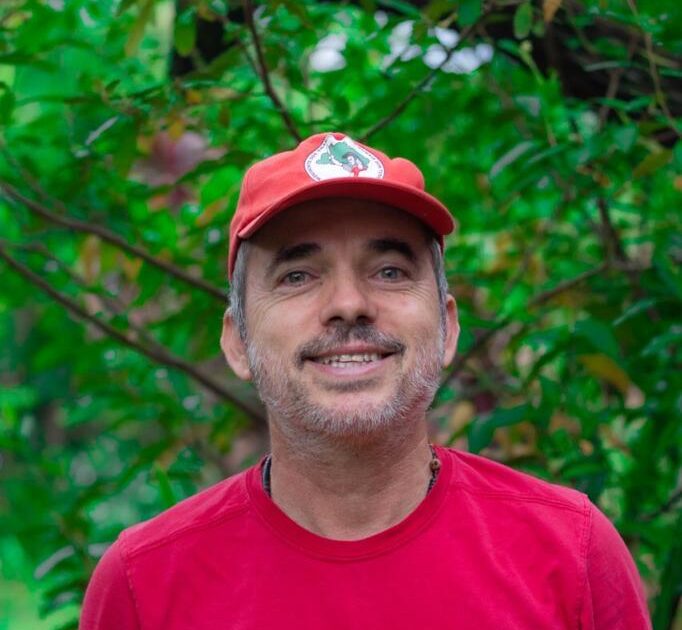
Many Brazilian universities have Centers for the Study of Agroecology and Organic Production (NEAs).These Centers allow students to live agroecological experiences led by farmersthroughout Brazil [1]. NEAs are typically coordinated by professors of institutions working on sustainable production research projects. One of them is Prof. Dr. Fernando Silveira Franco, an engineer and PhD in Agroforestry Systems for Family Agriculture at the Federal University of Viçosa. As professor of forest engineering, biology and agroecology at the Federal University of São Carlos, Professor Fernando manages the agroecology study center “Núcleo de Agroecologia Apetê-Caapuã (NAAC)”. The center develops participatory research and dissemination projects and supports forest restoration organizational processes in the Sorocaba region, focusing on agroforestry and biodynamic systems.

Fig. 1: Agroecology Professor Dr. Fernando Silveira Franco.

Fernando, how was the NAAC agroecology study center established at the university?

“The idea was not mine. When I was a bachelor’s student in the 1980s, there were “alternative agriculture” study groupsthat aimed to bring the national and global debate on agrifood systems into the academia. [They were] seeking viable technical alternatives from the social and environmental perspective to support farming families in dealing with food production challenges. In the late 1980s and early 1990s, with the contributions of several authors such as Ana Primavesi, Miguel Altieri and Stephen Gliesmann, alternative agriculture was acknowledged as Agroecology in Brazil. Now it was no longer just about ecology of the rural ecosystem, but of society [together] with it, as a whole”.

During that time, the non-profit civil law association Advisory on Alternative Technology Projects (“ASPTA”) had already promoted initiatives to strengthen family farming and sustainable rural development in Brazil. One of these initiatives included the translation of Miguel A. Altieri’s book “Agroecology”, which was later subtitled “the scientific basis of alternative agriculture”. This translation marked the paradigm shift between alternative agriculture and agroecology in the country [2].

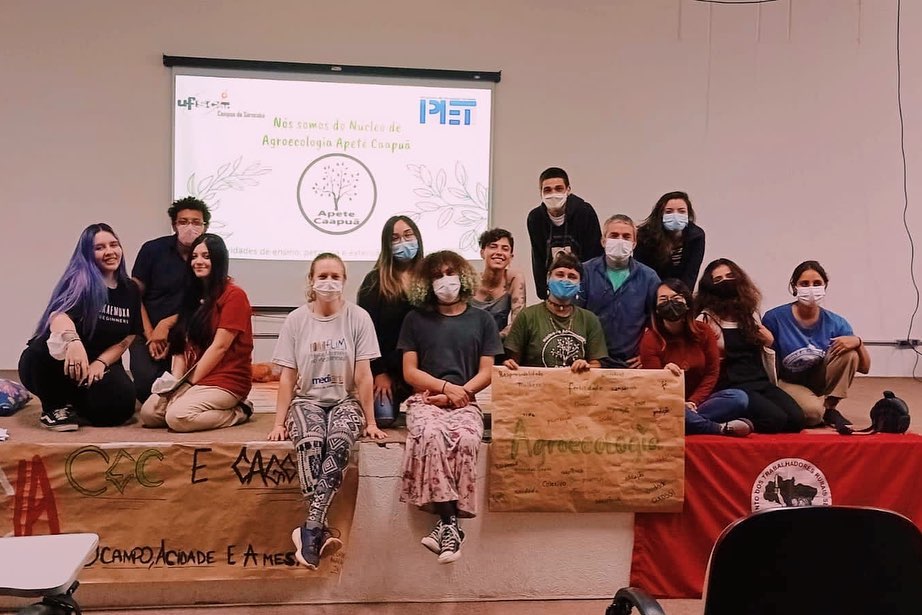
Fig. 2: NAAC agroecology group presentation in the University’s aula magna. July 2022.

“Before [the creation of the NEAs], a network of NGOs created by the ASPTA collaborated with university professors who believed in alternative sustainable production models and developed research projects in alternative agriculture. Thanks to the [effort of the] NGOs, our scientific projects were soon after financed by European organizations such as GTZ, Misereor and ASHOKA. That’s how we started”.

The incorporation of the new terminology took place between the 1980s and 1990s and was facilitated by the Brazilian Meetings of Alternative Agriculture (“EBAAS”). At the beginning of the 90s, Agroecology was widespread in the academic community, but it was only in the 2000s that it officially gained space in public policies and Brazilian universities. In 2004, a national policy for technical assistance and rural extension (“Ater”) of the Ministry for Agrarian Development (“MDA”) – incorporated agroecology for the first time. The policy’s general objective was “to stimulate, encourage and support sustainable rural development initiatives, involving agricultural and non-agricultural activities […] adopting the principles of Agroecology as the guiding axis of the actions”.It also stressed that Brazilian farming should “[…] adopt a multidisciplinary and interdisciplinary method, encouraging the adoption of new participatory methodological approaches and a technological paradigm based on the principles of Agroecology”. [3]. Finally, in 2010 the first NEAs were created in Brazilian Universities through the funding of the public call no. 58/2010 MDA/SAF/CNPq [1].

What is the importance of Agroecology in Higher Education?

“The experiences that a NEA can provide to a student are the most precious thing. It is when the student goes from theory to practicethat learning becomes concrete, because what is read takes shape and gains another dimension. Especially in Brazil, the reality of family farming is very distant from the eyes of the urban population. Nonetheless, it is not only the contact with reality [..] that summarizes the importance of this discipline but rather the connections that it weaves. In Latin America, agroecology is science, social and political movement, and practice. So, without people, the last two steps cannot happen”.

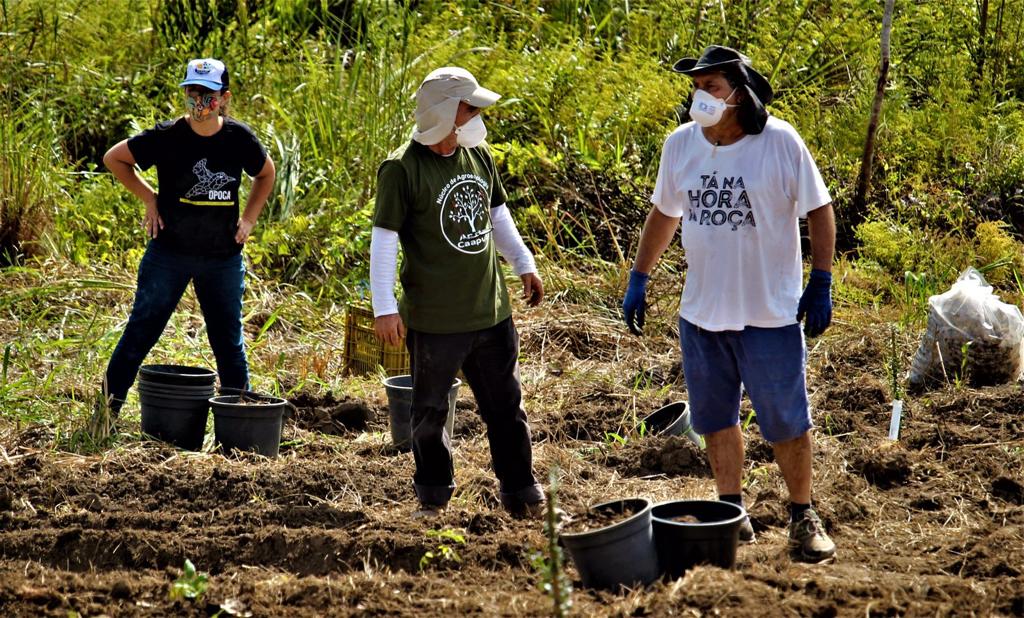
Fig. 3: Professor Dr. Fernando and students implementing an agroforestry system in Registro-SP, in collaboration with the State University of São Paulo (Aline Gomes, 2022).

Professor Dr. Fernando also stresses the fundamental role of agroecological studies in universities to link teaching, research and dissemination. In Brazil, this concept is in fact a duty decreed by the 1988 Federal Constitution (art. 207) that university must comply to. This means that all Brazilian higher education institutions should provide professional training (teaching) based on an ethical-political-social duty. For the production of knowledge (research) must be intended for the direct use of the Brazilian society (dissemination) [4].

What are the current challenges of teaching agroecology in a Brazilian public university?

“Today’s challenges are operational. Our budget has been drastically cut in the last years of the current government and […] we are at risk of collapseand not being able to pay the bills by the end of the year. This is something I had never imagined I would experience in a State University. So, with the lack of resources coming from the university, NAAC project experiences – that were regularly carried out throughout the year – have been significantly reduced. Currently they only count on the support of the Tutorial Education Program (“PET”) from the Ministry of Education, because there are no more calls coming from the National Council for Scientific and Technological Development (“CNPq”) – and other public policy programs created previously”.

Fig. 4: Students protesting in the city center of Sorocaba. July 2022.

A participatory process for Trentino’s Sustainable Development

The United Nations adopted the 2030 Agenda in 2015 to promote universal, cross-cutting, and integrated sustainable development. The 17 Sustainable Development Goals (SDGs) that make up the 2030 Agenda [1], involve five fundamental areas: People, Planet, Prosperity, Peace and Partnership.

In this context, the Autonomous Province of Trento started in 2018 a path to define a Provincial Sustainable Development Strategy (“SproSS”). Culminated in 2020 with the issue of the Preliminary Provincial Strategy Document (approved by Provincial council resolution no. 2062/2020), the path made use of a broad participatory process, involving citizens of Trentino and pertinent stakeholders. The process ended with the publication of the Final Provincial Strategy Documentin 2021 [2].

The Document is strategic not only because of its concrete measures and strategies that promote 2030 sustainable development models, but also because of the process that led to them. It was inspired by the Three Horizons method, belonging to the Future Studies field. Designed to encourage a long-term perspective in change policies, the guiding principle of the method is to identify “what to leave, what to keep, and which transformative innovations are useful in achieving a shared medium- and long-term vision”. Its key feature is to use future scenarios to act in the present. The method has been applied by identifying so-called mega trends, i.e., global trends that are likely to continue in the future and that could have a major impact in the local setting.

To develop the Final Document and present it to the Provincial Council, findings from previous assessments[3] and participatory events of numerous local stakeholders – both online and in presence – were considered. Specifically:

 ●  Involvement of 200 students of Trentino secondary schools and the University of Trento in 12 consultation rounds

●  Consultation of external experts and public authorities through the Delphi survey tool (method based on mutual anonymity and multi-interaction rounds)

●  Public online questionnaire where remarks about existing Document parts could be added. 330 citizens participated: 33 % aged 30-50 and 29 % aged 18-30

●  Voluntary participation of local NGOs to a guided discussion

●  Participation of more than 40 unions and 15 Public Tourism Agencies

●  Participation of over 84 mayors in synergy with local authorities and representatives of the Local Youth Initiatives Plans (“Piani Giovani di Zona”) of the Province of Trento

●  Participation of 36 Provincial bodies (e.g., Edmund Mach Foundation, Bruno Kessler Foundation, etc.).

As a major outcome of the participatory process, the Document identified 20sustainability objectives that make up the backbone of the Provincial Sustainable Development Strategy both in terms of strategic vision and concrete proposals and ideas. The 20 objectives were integrated in the five priority goals defined by the European Sustainability framework (2021-2027). The five priority goals of the Provincial Sustainable Development Strategy are so defined:

1.A smarter Trentino through innovation, research, digitalization and economic transformation. A smarter Trentino is one that invests in sustainable waste management, sustains the circular economy and promotes Lifelong Learning programs for everybody. The provincial objectives referring to farming, circular economy, school education, employment and sustainable tourism belong to this first priority goal.

2.  A greener Trentino through the transition to clean, fair and renewable energy. A greener Trentino enhances biodiversity by protecting natural resources and landscape elements, aware of the pressures imposed by the ongoing climate crisis. Objectives related to water, biodiversity, emissions reduction and territory safety belong to this second goal.

3.  A more connected Trentino through investments in mobility and digital transport networks. A more connected Trentino invests in sustainable mobility and information technology as tools for territorial cohesion. Sustainable mobility and innovation and digital agenda are the two provincial objectives belonging to the third goal.

4.A more social Trentino through actions aimed at tackling poverty such as investments in social inclusion programs and measures and campaigns against inequality. A more social Trentino is inclusive and prevents all forms of violence and discrimination for a fair and resilient society. Objectives pertinent to housing, rights, gender equality, poverty, corporate social responsibility and lifestyles belong to this fourth priority.

5.  A Trentino closer to its citizens through the sustainable and integrated development of urban, rural and mountain areas with attention to the size and features of each area. Territorial development must integrate the community and local features and values (as pointed out by the Regional Mountains convention [4]). Objectives referring to legality and the fight against crime, health and health services, and territory belong to this last priority goal.

Although the work has been long and complex, the final outcome has shown the awareness and willingness of Trentino to maintain a high sustainability standards. The second major outcome is the success of the participatory process that brought to the Final Document: an example of democracy for the management of the common good.

Bibliography:

[1] Organizzazione delle Nazioni Unite. (2015). Trasformare il nostro mondo: L’Agenda 2030 per lo Sviluppo Sostenibile (A/RES/70/1; pag. 35). https://unric.org/it/wp-content/uploads/sites/3/2019/11/Agenda-2030-Onu-italia.pdf

[2] Provincia Autonoma di Trento. (2021). Strategia Provinciale per lo Sviluppo Sostenibile. APPA. https://agenda2030.provincia.tn.it/content/download/8213/151869/file/SproSS%20def_15.10.2021.pdf

[3] Centis, B. (2021, December 21). Trentino Clima 2021-2023: Countermeasures to mitigate the climate crisis in Trentino. GreenMarked. https://greenmarked.it/it/trentino-clima-2021-23/

[4] Stati Generali della Montagna. (2019, June 14). Presidiamo il futuro.
https://statigeneralimontagna.provincia.tn.it/content/download/765/8308/version/1/file/Slide.pdf

…

Cover photo:view of Riva del Garda and Lake Garda. Free-source photo by Flo Lorenz on Unsplash.

Preview image: group work on a grass field. Free-source photo by vait_mcright on Pixabay.

Trentino Clima 2021-2023: Countermeasures to mitigate the climate crisis in Trentino

The 2020 Report of the Province of Trento Environmental State-of-Art (Nono Rapporto sullo Stato dell’Ambiente) analyzed 70 environmental indicators of which 52 % were rated as medium-quality level. Compared to the previous report published in 2016, 32 % of the indicators improved their quality level while 20% of them worsened it [1]. Seemingly, Trentino believes that the environment represents an important resource that must be taken good care of. This is proven by the reduction of atmospheric emissions, the good quality level of surface and underground waters, and the moderate production of urban waste. Some indicators, however, still need improvement. Atmospheric nitrogen and ozone concentration levels have increased and so have air temperatures, thus accelerating glaciers meltdown and increasing the frequency of extreme weather events, like windstorm Vaia in 2018. The pressure added by tourism and mobility could exacerbate the whole situation.

The climate crisis has been defined by the sixth IPCC Assessment Report as a “Red Code for Humanity” [2], and Trentino is not exempted by its effects. The aim of COP 26 in Glasgow was to increase the worldwide ambition in the fight against the climate crisis in terms of mitigation (cut down carbon emissions) and adaptation (avoid and minimize the negative impacts on people, the economy and ecosystems). These would reflect on the increase of developed countries financial commitment to transit towards a more resilient and decarbonized global society.
The Paris Agreement (2015) aimed at keeping the global average temperature increase below 2 °C compared to the pre-industrial time is far from being achieved. In the hope that it could prompt a leap forward to get back on track with the Paris Agreement targets, the Glasgow Climate Pact commits signing countries to submit incisive climate action plans and strongly foster the use of renewables.

If we do not act soon, major climate changes will take the toll on our lives and in Trentino a lot is deemed to change. Studies have reported that vines will alter their phenological phases and projected a two-weeks harvest anticipation by 2050 [3]. This is supposed to happen in the provincial areas where temperatures are lower but it will dramatically change the annual results of viticulture: one of the most relevant economic sectors in Trentino. The general increase in temperatures, both annual and seasonal, the far more marked temperature increase in summer coupled with a general precipitation decrease will inevitably bring seasonal variations in the water cycle. Warmer summers with far less rain could mean more water scarcity episodes and the rise in temperature will promote glaciers depletion. In general, the Alps have suffered an increase in temperature higher than the average global value of 1.1°C (compared to 1850-1900). Being a rather fragile and vulnerable environment, they need also LOCAL countermeasures.

Trentino has taken on the challenge with the final approval of “Trentino Clima 2021-2023” Plan by the Provincial Environmental Protection Agency (Agenzia Provinciale per la Protezione dell’Abiente – APPA). Using the knowledge and advice of local scientific experts, the Plan provides the provincial administration with guidelines to contrast the ongoing climate crisis.
One of the measures taken by Trentino Clima 2021-2023, is the implementation of the Provincial Environmental Energy Plan (Piano Energetico Ambientale Provinciale – PEAP 2021-2030) by which Trentino has set out mitigation measures. Adaptation measures will be defined on a priority basis, starting from scientific evidence and vulnerability scenarios. Great importance will also be given to information and education with a particular focus on schools and youth. In this context, the Plan has established the Forum on Climate Change aimed at involving young people of Trentino in the drafting of a climate manifesto to tackle the climate crisis within the provincial territory. The Forum and the manifesto will become a starting point for fruitful collaborations with local politicians, schools and enterprises. The Forum ended with the Climate Conference of Youth in Trento and the official disclosure in November 2021, during the Meteorological Festival of Rovereto.

This case of shared governance could become the first example in Trentino of virtuous engagement between public and private bodies in dealing with the climate crisis. An issue that will inevitably have consequences on all the sectors, both public and private, and all the citizen of Trentino.

Figure 1:summary facts of the Trentino Clima 2021-23 report (source: Province of Trento press office).

Bibliography:

[1] Azienda Provinciale per la Protezione dell’Ambiente, 2020. Nono Rapporto sullo Stato dell’Ambiente della Provincia di Trento. Provincia Autonoma di Trento, APPA: 549 pp.

[2] IPCC, 2021: Summary for Policymakers. In: Climate Change 2021: The Physical Science Basis. Contribution of Working Group I to the Sixth Assessment Report of the Intergovernmental Panel on Climate Change [Masson-Delmotte, V., P. Zhai, A. Pirani, S. L. Connors, C. Péan, S. Berger, N. Caud, Y. Chen, L. Goldfarb, M. I. Gomis, M. Huang, K. Leitzell, E. Lonnoy, J.B.R. Matthews, T. K. Maycock, T. Waterfield, O. Yelekçi, R. Yu and B. Zhou (eds.)]. Cambridge University Press. In Press.

[3] Alikadic, A., Pertot, I., Eccel, E., Dolci, C., Zarbo, C., Caffarra, A., De Filippi, R., Furlanello, R., 2019. The impact of climate change on grapevine phenology and the influence of altitude: A regional study. Agricultural and Forest Metereology, 271:73-82

Cover and preview image:melting Alpine glacier. Free-source photo by Martin Adams on Unsplash

This article is part of the project “Environmental Blogging Boost 4 Students”, aimed at increasing the spread of agroecology and sustainable water management in Trentino. The project is financed by the BIM Adige Water Catchments Consortium (grant approved by provision n. 100 of June 06, 2021).

A school, windstorm Vaia and Alpine forests restoration

The second grade students of the “LOS4” four-years teaching program at Martino Martini high school, Mezzolombardo (Trento), Italy, took part in a project called “Windstorm Vaia and Environmental Sustainability”. A two-years school initiative aimed at raising awareness about the impact of human activities and land use change on Alpine forests[1].

Windstorm Vaia was obviously the first topic to be tackled. The last week of a hot October 2018, a huge meteorological depression unleashed a storm of wind and rain that devastated the woods of three northern Italian regions. In Veneto, Lombardy and Trentino – South Tyrol, Vaia razed more than 40,000 hectares of marvelous Norway spruces, firs and larches. Yet, the number of damaged forest hectares is much greater: 12 million. Sadly, Vaia’s impact was not equally distributed. Approximately 26 % of the overall damage was recorded in the Fiemme valley, Trentino, where about 1.3 of the overall 4 million trees fell. Consequently, 50 forest paths and 145 roads, equivalent to 140 km, were destroyed [2].

These dramatic numbers and the shocking footages of Vaia’s impact bounced quickly from on media to the other saddening millions of people and triggering a strong wish to support the forest restoration in the hearts of plenty. Fundraising campaigns appeared on social media, bottom-up reforestation initiatives such as South Tyrol Plants were organized [3] and ethical start-ups such as VAIA Cube were born. The desire to join the restoration activities and contribute in a practical manner erupted also in local schools of Trentino. Not only did the Martino Martini students participate to seminars and educational workshops but also actively at a tree-planting campaign on October 16, 2021. “All 20 students and the 4 professors leading the project, planted a tree, either a larch or a spruce, in a forest site once devasted by Vaia and now designed for reforestation” affirmed Professor Alhena Piazzi.

Fig. 1:Students and professors of the “Windstorm Vaia and Environmental Sustainability” project actively planting larch and spruce seedlings in a forest site destroyed by Vaia (courtesy of Alhena Piazzi).

During the storm, the wind reached bewildering speeds of 180/190 km/h (maximum speed verified at Manghen pass) and about 60 cm of rain fell in only three days. That accounts to 60 % of the yearly rainfall rate (i.e., one meter of water). Luckily, the Fall and winter of 2018 were not harsh and allowed local forest rangers to take immediate action. Thanks to its secular heritage in forest management, the Fiemme valley forestry agency was on the forefront to remove the first trees obstructing the major roads and later to reestablish the entire road network [2].

Unremoved fallen trees can be infected by forest pests, such as the bark beetle (Ips typographus). The beetles can penetrate into the bark and feed on the meristem, the only living tissue of plants. Once it takes over the tree, it can then attack neighboring trees, and spread also to standing trees, thus augmenting the damage. This happened also after Vaia [2].

“Given their high vulnerability to bark beetles, the number of Norway spruce forests should be reduced and replaced by more diversified forest types” admitted forest ranger Ilario Cavada during the field trip. “Both Trentino’s forests and the 20,000 hectares of forests managed by the Fiemme valley forest agency house too many Norway spruces, which can live up to 500 years but are more exposed to dangerous forest infections and can therefore weaken the entire ecosystem” continued Cavada.

Integrating larches and spruces can be a optimum strategy against bark beetle infections and was the solution adopted by the Fiemme agency to restore the damaged areas. All available Italian forestry companies were first contacted, then also foreign companies because the workload to recover the fallen trees and plant the new ones is immense. Currently, the agency is growing about 600,000 seedlings of different species that will replace the fallen trees. To date, only 60 hectares of woods have been restored.

Forest conservation is perhaps the most known and appreciated form of environmental protection. Indeed, forests provide dozens of forest services but it is commonly said that they have a double purpose: they secure the soil hydrogeological stability, and they favor the biodiversity and the ecosystem.

Understanding the importance of forests and sustainable forest management was a key result of the project. It is hard to say, but “thanks” to Vaia, 20 students were given a down-to-earth learning experience about reforestation. They could broaden their knowledge and perspective on the impact of human activities on Alpine forests and all the living beings that depend on it.

Bibliography:

[1] Piazzi, A. (2021, December 6). Windstorm Vaia and Environmental Sustainability—Interview with the Martino Martini project leaders [Email].

[2] Cavada, I. (2021, October 16). Windstorm Vaia and Environmental Sustainability — Interview with the Fiemme Valley forest agency [Personal communication].

[3] Cologna, M. (2020, October 16). Let’s re plant South Tyrol! GreenMarked. https://greenmarked.it/ri-piantiamo-altoadige/

Cover photo: courtesy of Alhena Piazzi.

The article has been drafted by the 2nd grade students of the “LOS4” four-years teaching program at Martino Martini high school (Mezzolombardo – Trento, Italy) and edited by the GreenMarked Team.

This article is part of the project “Environmental Blogging Boost 4 Students”, aimed at increasing the spread of agroecology and sustainable water management in Trentino. The project is financed by the BIM Adige Water Catchments Consortium (grant approved by provision n. 100 of June 06, 2021).

An organic district for the Province of Trento: rejected, but…

On Sunday, 15.58 % of Trentino voters voted: participation was much lower than the 40 % required by the quorum. Let’s look at the mathematics: of the 437,113 voters, 68,081 went to the polls. Specifically, 31,185 males and 36,896 females [1]. Of these, 65,652 voted in favor. In other words, 96.96 % of those who voted crossed the “yes” box [2].

Let us now look at the geographical position of municipalities with higher and lower turnouts. Looking at districts or macro areas the highest is Val di Sole (21.37 % of the electorate), then the Giudicarie (17.35 % of the electorate) and the Alta Valsugana and Bernstol (17.25 % of the electorate).Whereas looking at the large pool of votes, 16.26 % and 16.48 % of voters respectively voted in the cities of Trento and Rovereto, equivalent to 14,964 and 5,152 citizens [3].

The defeat is clear but it gives hope that more than 65,000 Trentino citizens have confidence and want a more sustainable type of agriculture in this area. Personally, I did not expect more than a 10 % turnout at the polling stations, given the deafening silence of Trentino politics [4]. As stated by Lucia Pavesi [2], the reasons for the defeat could also be technical-strategic (e.g., the lack of initial involvement of producers and some existing organic farming districts and insufficient publicity). Nevertheless, the courage of the proposers of the initiative was enormous. Publicly addressing one of the most consolidated (contaminating) sectors of Trentino was a heroic gesture.

Fig. 1: Land use in Piana Rotaliana is mainly wine and apple farms alternated with light industrial districts and urban settlements (photo by © Matteo Ianeselli / Wikimedia Commons, CC BY-SA 3.0, https://commons.wikimedia.org/w/index.php?curid=15615268).

Web references:

[1] Scozzari, C. (2021, September 27). Trento, flop del referendum sul biodistretto. Il passaggio al biologico può attendere. la Repubblica. https://www.repubblica.it/green-and-blue/2021/09/27/news/trento_flop_del_referendum_sul_biodistretto_il_passaggio_al_biologico_puo_attendere-319636683/

[2] Pianesi, L. (2021, September 27). Referendum per il Biodistretto, una sconfitta senza appello che affonda il biologico per il futuro? Come un autogol può trasformarsi in un’opportunità. il Dolomiti. http://www.bkoffice.ildolomiti.it/societa/referendum-per-il-biodistretto-una-sconfitta-senza-appello-che-affonda-il-biologico-per-il-futuro-come-un-autogol-puo-trasformarsi-in-unopportunita

[3] Andreazza, L. (2021, September 26). Referendum biodistretto del Trentino, l’affluenza si ferma lontana dal quorum: Alle urne il 15,58% degli aventi diritto. il Dolomiti. https://www.ildolomiti.it/politica/2021/referendum-biodistretto-del-trentino-laffluenza-si-ferma-lontana-dal-quorum-alle-urne-il-1558-degli-aventi-diritto

[4] Miller, M. L. (2021, September 24). Who stands for the organic district referendum? GreenMarked. https://greenmarked.it/it/standing-for-the-organic-district/

Cover photo: free-source photo by sweetlouise on Pixabay.

This article is part of the project “Environmental Blogging Boost 4 Students”, aimed at increasing the spread of agroecology and sustainable water management in Trentino. The project is financed by the BIM Adige Water Catchments Consortium (grant approved by provision n. 100 of June 06, 2021).

2020: Turning a Personal Blog into a Business

2020 finally ended. We have been roller-coastering through this first Covid year, struggling to keep our head above water. We have changed habits, canceled traditional festivities, postponed social events to better times. It has been a frustrating year with many hard pills to swallow. Yet, 2020 also gave us extraordinary high-quality reflexive moments. We used those moment to understand where we are on our life path, critically assess our business strengths and weakness, look for new work opportunities, and pick-up new hobbies.

For the GreenMarked Team, 2020 has marked an importance benchmark: the decision of turning a personal blog into a business. In March, we signed the first draft of our Common Vision:

We are willing to create an online and offline platform focused on environmental sustainability.

The platform:

  • Will be a professional environment where to work for and have fun with the environment. It will represent a sharing place that stimulates environmental innovation.
  • Will be legally recognized […] and will be able to apply to tenders and calls, be paid and conquer market shares. With the results and an efficient work style, it will incentive stakeholders to invest time, energy, capital, and other resources.
  • Will build its business network and will be able to affect business, administrative and political decisions at local, regional, Italian, or international level.

Since March, this generic Common Vision has helped us deciding our upcoming activities and remembered us where we are heading to.

With all the difficulties of merging our main job, our university tasks, family duties and Covid-conditioned free-time, we were able to set important puzzle pieces that will help us becoming an official business.

Blogging activity

Following Greta Thunberg’s Friday strikes, we decided to keep a Friday blog posting habit. In our Telegram Channel, we posted 38 Friday posts and a dozen unofficial posts in 2020, thus getting close to a regular one-post-per-week frequency. Thanks to the variety of content supported by Telegram, posts comprised both brief environmental text, audio, or video messages, as well as longer, articulated and scientifically proven articles. All articles can be read directly in Telegram in a deliciously focus-friendly manner thanks to the “Instant View” feature. In fact, they were also published onto our website blog page, to favor all those who are not Telegram geeks like us. The blog page was revamped, and articles were better organized, thus following now a standard template. Articles were written in two main languages – Italian and English – but we also included Dutch, German and Spanish written articles. To reward the hard work required for a well-written environmental article, we decided to give the authors 25€ compensation for every piece. If you like writing and have a passion for the environment, apply at @greenmarked_info to write and work with us.

On the blog, articles were viewed from a minimum of 11 to a maximum of 253 times. These numbers, however, must be integrated with the views directly on the Telegram channel, where sharing is easier, and views of every post easily exceed 100.

Our Telegram channel now counts 94 subscribers, and we are proud to use such an amazingly versatile, secure, and private-friendly digital platform as main business communication mean.

Communication

Now that Mark Zuckerberg will force WhatsApp users to share their data with the other Facebook apps, we are happy to be one of the few groups that does not greatly rely on Facebook. Our effort to bring more people away from Facebook apps, and onto less manipulative platforms is constant.

Nonetheless, in August we landed on Instagram and re-opened our Twitter account. This was our step towards our friends and business partners, who are much more active on Facebook apps rather than Telegram. We started using these platforms to increase our outreach and improve our environmental awareness spreading. Our profiles now count 61 and 17 followers, respectively. We will use these and other social media to convince more people to move away from Facebooks apps and rely more on Telegram and similar media. If you have experience with social media managing or a degree in communication and you are looking for a stimulating volunteering / side-job activity focused on the environment, send us your application to @greenmarked_info. Full application details are in our freshly opened @greenmarked_discussion group.

Social Media Detox

The fight against digital addiction is one of our core activities. In 2020 we organized online and offline events to tackle one of the biggest plagues of these fist two decades of the century.

In September, we organized on Mount Bondone a social media detox day-camp dedicated to sports teachers of Trentino. The benefits of nature and outdoor activities helped teachers reflect on students digital addiction and healthy digital education strategies to apply in the Covid-era.

In November, we organized a three-day social media detox camp aimed to improve the concentration, productivity, and the well-being of university students and young workers. Unfortunately, we had to cancel the camp a week before its kick-off due to the second pandemic wave in Italy, but all camp activities are ready. We will pull them out again in March or April. Check our freshly updated Social Media Detox webpage to see the upcoming camps!

Since our detox camps are highly social events and could not take place, we organized three “Detox in Lockdown” webinars. The webinars illustrated work productivity and well-being detox tips, such as the Konmari method and mindfulness sessions, to adopt during the quarantine period.

Our activities against digital addiction does not end here. By the end of 2020, our @socialmediadetox public group reached 86 members and is used to conversate about social media issues and provide #DetoxPills.

Environmental digital games

One of our #DetoxPills was the Telegram “Digital Carbon Quiz” that we rolled out in September. The 30 quiz questions allowed players to learn about the environmental impact of their digital activities. The Telegram “Advanced Sustainability Quiz”, instead, allowed players to go in depth into the world of sustainability. We rolled out this first quiz in May for the Telegram Education Quiz Contest, and Telegram rewarded us with a price of 500€ because of the quality of our product.

Besides the Telegram quizzes, we tried out the Geocaching platform to make our environmental updates more dynamic. Geocaching is a modern treasure hunt that uses GPS coordinates to find treasures (“geocaches”) hidden around the world. In November, we placed four green geocaches in different places of Mezzocorona (TN, Italy) that highlighted environmental qualities and criticalities within the municipality.

Reaching out politicians, credit institutions and private businesses

Our impact on political and private business agendas has been tiny in 2020. In February and October, we wrote two comprehensive articles to denounce the deforestation of the Paganella highland in favor of ski resorts. Although both articles were read more than 150 times and were shared with the Paganella Ski Area company directors, our words were left unheard and more deforestation activities are currently ongoing.

To the contrary, our words were listened when we openly debated with three Italian food retailers about their seemingly unsustainable food packaging. Although one retailer claimed that the packaging recycling should be a responsibility of the consumer, the other two agreed with us that continuous efforts must be made to improve the recycling level of their products.

We did not expect to be listened when we asked the “Cassa Rurale di Trento” credit institution about their measures to reduce their environmental impact. The answer from one of the managers was comprehensive and was published on the institution associates magazine.

Finally, our “environmental sling shot” has had another good shot this year. In May, we participated to a public debate on future of the European Union organized by the townhall of Lavis (TN, Italy). Our talk about the “Happy Degrowth and the Ecological Transition of Europe” on Zoom and Live Facebook was seen by 864 people, and lead to a positive exchange with the head of the Italian Degrowth Movement.

Planting trees

In September, one of our GreenMarked Team volunteers co-organized a Reforestation Day in Obereggen (South Tyrol, Italy) in area devasted by the windstorm Vaia back in October 2018. During the Day, approximately 500 local Norway spruces, larches, and mountain-ashes were planted on the mountain slope. The new seedlings will help accelerate the reforestation dynamics, decrease the soil erosion process, and reduce the hydrogeological risk.

Following the South Tyrolean good example, we recently opened-up the “Native Carbon Trees” project in Cochabamba (Bolivia), partnering up with a local agroecological NGO. In one of the most polluted and water-scarce areas of Bolivia, we have started planting the first 10 chirimoya, avocado, and American pepper trees in the agroecological patches of local farmers. The trees will help sequestrate atmospheric carbon and support local agroecological production. Each tree is personalized with the name tag of a GreenMarked member… but more details will soon be published on our website, so stay tuned!

2021 GreenMarked Membership card

The “Native Carbon Trees” project is a spoiler of the numerous activities that we will organized and roll out in 2021.

If you like what we have organized so far in 2020 and would like to sustain our activities, buy your 2021 GreenMarked Membership card for 30€.

Besides supporting us, you will get

  • Free access to our webinars on environmental matters and digital detox strategies such as the “Detox in Lockdown” seminar
  • Great discounts on the Social Media Detox camp and the other ecotourism events
  • A native Bolivian carbon tree (, chirimoya, avocado or American pepper) with your name on.

Click here to pay quickly on PayPal. Write “2021 GreenMarked Membership card” in the message box. If you are buying it for a friend do not forget to type his/her name in! Text us at @greenmarked_info if you do not have a PayPal account, you want to pay through IBAN or need more info.

After this outstanding 2020, we warmly welcome 2021 and all the great news it will bring, we are very happy to have you onboard, and we are looking forward to seeing you in one of our next events!

Let’s re plant South Tyrol!

This is a story of a group of young people from Bolzano who organised the first participatory forest planting in South Tyrol.

In October 2018, a strong disturbance hit the Alps. It has been later called “Vaia storm“. Alpine areas including South Tyrol experienced wind gusts of up to 200 km/h, which caused very serious environmental damage and razed entire forest areas to the ground. In the Province of Bolzano, 5918 hectares of forest were completely destroyed, which is about twice the amount of wood that should be harvested annually to ensure sustainable forest management [1].

Seeing these beautiful areas destroyed by storm called ‘Vaia’, we asked ourselves and some friends how we could help Mother Nature to recover as quickly as possible. At the same time we wanted to highlight the importance of the forest ecosystem and alert everyone to the dangers of global warming and its devastating effects.

Moving from the simple idea of doing something to an actual project took months, full of stimuli and challenges. First of all, the Forestry Corps was contacted and, having taken an interest in the issue from the outset, provided the first operational and background information. The Corps pointed out, for example, that only a fraction of the damaged slopes are reforested: these are those subject to hydro-geological risk or close to infrastructures such as houses and ski slopes. On the other hand, for the other slopes, we rely on mother nature, which – also thanks to a favorable pollination period in 2019 – has already managed to give birth to many new saplings without altering the forest’s DNA.

Despite the operational practices used by the Corps, an area in Obereggen was jointly identified where spruce, larch and rowan trees from the provincial nursery can be planted. These will speed up the reconstitution of the forest and stabilize the slope.

Fig. 1: small spruces transplanted in Obereggen.

“We didn’t want to plant trees just among friends. We wanted to share this active citizenship experience with as many people as possible and educate the population about the importance of the forest ecosystem” explains Greta, one of the organizers.

For this reason, the group decided to organize South Tyrol’s first woodland planting open to everyone under the name“South Tyrol Plants”. Thanks to the group’s various skills, it was possible to set up a website to register for the initiative and various social media profiles to promote the project and publish short ‘information pills’ on the function of the forest. At the same time, the long-awaited planting day was organized in detail.

Fig. 2: the organisational team of “South Tyrol Plants” and the Forestry Department of the Autonomous Province of Bolzano.

“The response from the people was extraordinary, beyond all expectations. Because of Covid-19 we could only accept 70 people, but we received 200 applications!” rejoices Anna, PhD student in forestry science and member of the organising team.

And indeed, on 5 September 2020, the long-awaited day was a real success. The smiling faces of the young people and families testified to their happiness at being able to give real help to the forest ecosystem. The happiness of having participated in this unique day, knowing that they had left a tangible mark for future generations.

Fig. 3: the 70 participants at the planting day in Obereggen.

Fig. 4: planting days are tangible actions that help the forest ecosystem and leave a mark on the ecological spirit and heart of the organizers and participants.

“In addition to the plentiful participation in the event, we had a real media boom, with press, radio and TV interviews, even with national TV! We are really pleased with the interest shown and that we managed to convey the importance of the role of the forest to so many people” explains Ariane, who has already participated in several other plantings.

This project has left its mark not only on the hearts of the eight young organizers but also on the many participants, some of whom have come from outside the province. For this reason, a second participatory planting is already being planned for the spring. But in the meantime, let the first snowflakes fall on the leaves and needles of the 500 saplings that have just found a new home.

Fig. 5: in Obereggen 500 saplings have found a new home to spend this winter season and the next decades.

Source of photos and photo-cover: the South Tyrol Plants organisation team (Matthias, Ariane, Greta, Tommaso, Anna, Johannes, Giulia and Felix). Obereggen, 5 September 2020.

For more information about South Tyrol Plants go to
www.southtyrolplants.org

Sitography:

[1] http://www.provincia.bz.it/agricoltura-foreste/servizio-forestale-forestali/downloads/2020_IT_VII_Situationsbericht_Vaia.pdf

Replanning post-Covid19 society

GreenMarked is not the only fish in the pond. While we roll out all our environmental articles and sustainability educational quiz, our degrowth and European Green New Deal talks, our eco-videogames post and eco-movies list, many other green players in the world are rolling out their beautiful initiatives and contributions to the environment.

During the Corona era, we decided to gather some petitions and collections of ideas and that aim at replanning today’s society and greenifying post-Covid19 society. We put them altogether in one single post, so that you can look at them all at once and within half hour. Environmental conscious boost done right and quickly.

Go to the Italian version.

Il mondo che verrà

  • Type of action: collection of ideas
  • Url:
    https://www.wwf.it/il__mondo_che_verra.cfm
  • Organizer: WWF
  • Language: Italian
  • Target location: worldwide
  • Description: “How can we plan together the after Covid19 world?”. The collected ideas will create a to-do agenda that will direct WWF initiatives and WWF’s requests to the leaders of the after Covid19 world.

Sustainable mobility for Bolzano/Bozen in phase 2

Terra Libera

  • Type of action: Manifesto with possibility to sign and join the community
  • Url:
    https://terralibera.eu
  • Organizer: members of +Europa, Giovani Europeisti Verdi/Europa Verde, Team K, Volt, Figli Costituenti and others
  • Language: Italian
  • Target location: Italy
  • Description: sign the manifesto of a newborn environmental community that develops and shares a new ecological perspective for Italy. An ecological perspective that embraces technological development, the entrepreneurial spirit, civil rights and european integration.

New Roots for the Economy

  • Type of action: read and share the signed Open Letter
  • Url:
    https://www.degrowth.info/en/open-letter/
  • Organizer: Degrowth.info
  • Language: Italian, English and other 16 languages
  • Target location: global
  • Description: read, promote and share the Open Letter “New Roots for the Economy ”. The Letter offer five principles for the recovery of our economy and the basis of creating a just society. 1)  Put life at the center of our economic systems; 2) Radically reevaluate how much and what work is necessary for a good life for all; 3) Organize society around the provision of essential goods and services; 4) Democratize society; 5) Base political and economic systems on the principle of solidarity. Degrowth.info invites the readers to share their ideas at Degrowth Vienna 2020 and the Global Degrowth Day.

Stop Global Warming

  • Type of action: petition
  • Url:
    https://www.stopglobalwarming.eu/
  • Organizer: EUMANS & Science for Democracy
  • Language: English
  • Target location:the EU
  • Description: ask the European Commission to propose a EU legislation that discourages the consumption of fossil fuels, encourages energy saving and the use of renewable sources to fight global warming and limit the temperature rise to 1.5°C.

Save bees and farmers

  • Type of action: petition
  • Url:
    https://www.savebeesandfarmers.eu/eng/
  • Organizer: The “Save Bees and Farmers!” European Citizens’ Initiative alliance
  • Language: Italian/English/German/French/Spanish
  • Target location: Europe
  • Description: call for a bee-friendly agriculture to the benefit of farmers, health and the. Call on the European Commission to support an agricultural model that allows farmers and biodiversity to thrive in harmony.

Mountain hut on Monte Baldo (TN), Italy.
Settling in the mountains, integrating traditional and digital lifestyles, could be a solution to decrease the social pressure of urban areas and increase the resilience of post-Covid19 societies. Photo source: Michele Claus.

Scelte consapevoli per imballaggi sostenibili

Il mondo come tutti noi lo conosciamo sta cambiando. Lo sta ancora facendo in scala macroscopica a causa dei cambiamenti climatici, che non si fermano, mentre noi umani ci siamo dovuti fermare difronte a qualcosa di microscopico come il virus Covid-19.

Se da un punto di vista questa pandemia riduce le emissioni dei gas serra per l’assenza di mobilità [1], dall’altra porta bisogni più essenziali a prevalere anche sulle questioni ambientali. Tuttavia, non dobbiamo dimenticare che se siamo arrivati a questa situazione, l’ambiente e la biodiversità centrano eccome [2,3].

Nonostante il lock-down, possiamo ancora mettere in atto pratiche per rispettare di più l’ambiente, partendo ad esempio dalla spesa di tutti i giorni.

Quante volte abbiamo sentito che dovremmo acquistare prodotti a km 0, biologici, equosolidali e con soli ingredienti naturali? Chiunque dovrebbe sapere che tutto ciò serve per salvaguardare noi e l’ambiente. Purtroppo, non tutti hanno la fortuna di avere un negozio con questi prodotti vicino a casa. Tutti, però, possiamo riflettere sul ciclo di vita di ogni prodotto che acquistiamo. Questo ciclo comincia dalla produzione e arriva allo smaltimento di quello che resta del prodotto consumato, per esempio il suo imballaggio.

Recentemente si è dibattuto molto sulla messa al bando delle plastiche monouso, regolamentato dall’UE con la Direttiva 2019/904. La questione era prima focalizzata sulle buste di plastica per la spesa, poi sui sacchetti per l’ortofrutta, i quali sono ora prodotti obbligatoriamente con materiali compostabili. La tematica è stata molto discussa dalla comunità scientifica ma i materiali sono in continua evoluzione. Non esiste, ad ora, un materiale meno impattante di tutti in maniera assoluta [4,5].

Questo movimento porterà anche alla regolamentazione degli imballaggi per alimenti. Noi di GreenMarked abbiamo voluto fin da ora cercare di creare un dialogo con alcune aziende alimentari (e non).

Caso 1: Agorà – Pasta Biologica PRIMIA

Fonte immagini [6]

Vorremmo portare l’attenzione a uno dei tanti casi di prodotti buoni perché biologici ma con un imballaggio scadente. Abbiamo segnalato al produttore come le confezioni risultino difficilmente riciclabili. Sulla confezione viene indicato che l’imballaggio va smaltito nella raccolta carta ma l’indicazione è fuorviante: il riciclo del materiale di cui è composto (C/PAP81, poliaccoppiato a prevalenza carta) va smaltito a seconda del centro di raccolta del nostro Comune. Per la piana Rotaliana, l’azienda ASIA indica lo smaltimento del CPAP nel secco residuo. La risposta di Agorà Network non concepisce questa problematica:

La sigla C/PAP81 indica un materiale definito poliaccoppiato a prevalenza carta, che unisce carta all’esterno e plastica all’interno in grado di garantire una chiusura ermetica della confezione. Il film è costituito da una parte di carta da 50gr e plastica da 30micron di spessore.

Considerata la prevalenza della carta e le analisi eseguite, il fornitore conferma che l’imballo può essere quindi riciclato nella carta.

Fig 1: Imballaggio in CPAP81 Pasta Biologica PRIMIA. La buona volontà non è bastata per differenziare i materiali.

Caso 2: Agri90 – Farina di Storo

Fonte immagini [7]

Durante la quarantena ci stiamo improvvisando un po’ tutti panettieri e pasticcieri e come faremmo senza farina? Un famoso produttore trentino è Agri90, che in questo periodo ha avuto un notevole aumento di vendite delle farine di Storo [8]. Nonostante la territorialità del prodotto, l’imballaggio di queste farine è migliorabile. Se da un lato la classica farina gialla di Storo è confezionata in sola plastica (scelta discutibile), le farine bianche sono confezionate in materiale poliaccoppiato.

La nostra proposta è stata semplice “Perché non usare solo carta?”. Il sacchetto di carta è da sempre usato per le farine.La risposta del produttore è la seguente:

[…] Con questa risposta vorrei, da una parte tranquillizzarLa e dall’altra fare una precisazione. Parto da questa seconda affermazione che riporta la scritta da Lei citata “La confezione permette la separazione dei due materiali…” è stata realizzata per poter gestire al meglio la raccolta differenziata, in modo tale da non eliminare tutto nella gestione del rifiuto indifferenziato. Vorrei umilmente invitarLa a dare fiducia al popolo. Non lo diciamo noi, ma le normative: in caso di una confezione mista carta-plastica, la separazione può essere fatta. In fondo basta un po’ di buona volontà. […] Tutto ciò per dire che Agri90 tiene al rapporto armonioso con il suo territorio. […]

Secondo Agri90, quindi, la patata bollente passa al consumatore, che con buona volontà deve separare i materiali.Non si tratta di una pratica immediata: richiede tempo, manualità e buone capacità visive. Secondo voi quanti consumatori differenziano in questo modo? Troppo facile “dare fiducia al popolo”, bisogna evitare il problema alla base, cambiando l’imballaggio.

Fig. 2: Farina Bianca di Storo. Il produttore ha indicato di separare carta e plastica e noi l’abbiamo fatto. Servono davvero due materiali?

Caso 3: CHINDET – Detergenti Aperegina

Fonte immagini [9]

Un altro produttore locale è Chindet, una cooperativa sociale che produce a Villa Lagarina (TN) detergenti ecologici come detersivi per la casa, l’igiene personale e perfino per gli animali domestici. Il tutto aiutando anche persone svantaggiate a venire inserite nel mondo del lavoro. Li abbiamo contattati per avere informazioni sugli imballaggi dei loro prodotti, chiedendo anche se abbiano valutato il processo di vendita alla spina per ridurli. La loro risposta è ricca di informazioni:

  • Presso il punto vendita di Villa Lagarina è possibile ricaricare i flaconi. Purtroppo nei supermercati non è possibile fare altrettanto in quanto, al momento, non c’è disponibilità di spazio nei vari punti vendita.
  • Tutti i flaconi in PET (quelli trasparenti per intenderci) sono realizzati con plastica al 100% proveniente da materiale post consumo (le bottiglie di acqua minerale) quindi non c’è utilizzo di materiale nuovo.
  • Aperegina è entrata in un progetto europeo che riguarda il basso Trentino e la zona di RIVA/ARCO per la riduzione dell’impatto della plastica sul consumo domestico. Se il progetto andrà a buon fine, in queste zone nei supermercati installeremo dei dispositivi per il recupero dei vuoti che consentiranno uno sconto alla cassa. Purtroppo il progetto penso che verrà ritardato vista la grave situazione della pandemia.

Ricarica dei flaconi realizzati con 100% di plastica riciclata e recupero dei vuoti per sconti sulla spesa.Il progetto Aperegina è lodevole su tutti i punti di vista e li ringraziamo per le risposte fornite.

Discussione

La ricetta magica per l’imballaggio ad impatto zero non esiste. Ogni materiale ha dei pro e contro che devono essere valutati grazie all’Analisi del Ciclo di Vita (LCA – Life Cycle Assessment) del prodotto. Per ridurre al massimo il loro impatto dobbiamo quindi
seguire la classica regola delle 3 R:

  1. Ridurre: riduciamo gli imballaggi al minimo indispensabile, acquistando i prodotti che seguono questa filosofia. Sapevate ad esempio che le vecchie lattine “larghe” per bevande usano meno alluminio rispetto a quelle nuove più “lunghe”? [10].
  2. Riutilizzare: il riutilizzo è la chiave per la riduzione dei rifiuti. Riutilizziamo borse, contenitori e tutto ciò che possiamo evitando di acquistarne altri.
  3. Riciclare: il riciclo è fondamentale ma entra in gioco solo quando le due R precedenti non sono abbastanza. Il processo di riciclaggio non è a impatto zero; pensiamo quindi prima a come ridurre i rifiuti che produciamo e poi a come riciclarli.

Inoltre, serve una maggiore coesione a livello nazionale ed europeo riguardo alla produzione e raccolta differenziata degli imballaggi, con regole comuni e non “soggette ai Comuni”, che siano comprensibili facilmente a tutti i cittadini.

E voi, quante volte avete pensato che quell’imballaggio sia nato male?Che abbia le informazioni sbagliate per un corretto riciclaggio? Come lo migliorereste?

Oppure, quale produttore secondo voi è da seguire come modello per i suoi imballaggi?

Mandateci le vostre foto, idee ed opinioni al riguardo, faremo il possibile per metterci in contatto con le aziende e portargli le vostre proposte!

Fig. 3: Corretta indicazione a sinistra e migliorabile a destra.

Bibliografia e sitografia:

[1] Redazione ANSA, 2020. Esa, inquinamento in calo del 50% in Europa. ANSA.it.

[2] Miller, M.L., 2020. Spazio vitale contro COVID-20. Da Wuhan a Codogno, da Shanghai a Mezzocorona. GreenMarked. URL https://greenmarked.it/spaziovitale-contro-covid20/ (accessed 4.21.20).

[3] Lapertosa, A., 2020. Coronavirus: depredare la natura aumenterà la diffusione delle pandemie. ANSA.it.

[4] Lewis, H., Verghese, K., Fitzpatrick, L., 2010. Evaluating the sustainability impacts of packaging: the plastic carry bag dilemma. Packaging Technology and Science 23, 145–160. https://doi.org/10.1002/pts.886

[5] Khoo, H.H., Tan, R.B.H., Chng, K.W.L., 2010. Environmental impacts of conventional plastic and bio-based carrier bags. The International Journal of Life Cycle Assessment 15, 284–293. https://doi.org/10.1007/s11367-010-0162-9

[6] PRIMIA, Fusilli Vivi Verde BIO – Primia [WWW Document]. URL https://www.primia.it/shop/product/vvbio-fusilli-gr-500-vvbio-fusilli-gr-500 (accessed 4.21.20).

[7] AGRI90, Shop Online [WWW Document]. URL https://www.serenestar.it/shop-online/page/1/ (accessed 4.21.20).

[8] Bindi, L., 2020. Coronovirus e approvvigionamenti: è boom per la farina di Storo – TGR Trento. TGR Trento.

[9] Aperegina, Piatti FIOR DI LIMONE 1litro [WWW Document]. URL https://aperegina.myshopify.com/products/piatti-fior-di-limone (accessed 4.21.20).

[10] Zar, 2007. Gli studenti di oggi: Il problema del fabbricante di lattine. Gli studenti di oggi [WWW Document]. URL https://proooof.blogspot.com/2007/10/il-problema-del-fabbricante-di-lattine.html (accessed 4.21.20).

Ecologisti incoronati

Ok, Covid-19. Sei più veloce ed ecologista di noi. L’abbiamo capito. In una maniera molto più efficace della nostra, hai ridotto le concentrazioni di NO2 in atmosfera e restituito habitat naturali a specie animali e vegetali cacciate da Homo Sapiens [1]. Complimenti, infame. Il tuo successo è legato alle relazioni di causa-effetto “presenza di attività antropiche inquinanti – elevato livello di inquinamento atmosferico” e “dominio spaziale dell’uomo – presenza di habitat per altre specie animali e vegetali”. La crisi climatica è però più complessa. Costituita da relazioni dirette, indirette e indirettissime, la lenta e inesorabile crisi climatica [2] ci sarà anche quando te ne sarai andato via. Sì, ti cacceremo. Non abbiamo nessuna intenzione di lasciare che sia tu a fermare l’innalzamento dei mari, a proteggere i fragili ecosistemi montani e insulari dall’incremento di fenomeni atmosferici catastrofici, a trovare soluzioni ingegneristiche per ridurre le concentrazioni di CO2 in atmosfera [3]. E probabilmente non ne saresti in grado. Per questo i FridaysForFuture, e adesso iTalksForFuture, continueranno settimanalmente [4] anche durante questo periodo in cui stai ammazzando i nostri nonni, cioè il nostro patrimonio di saggezza, e i nostri eroi ospedalieri.

Fonte: [4]

Il nostro atteggiamento ecologista non andrà in stand-by durante questi tempi incoronati. Nemmeno l’economia. Per mantenere salda l’economia americana durante l’emergenza sanitaria, l’Environmental Protection Agency del governo statunitense ha tolto alcune restrizioni e monitoraggi ambientali per permettere alle industrie di produrre e inquinare di più[5]. Alcune compagnie aeree hanno fatto volare aerei fantasma, ovvero completamente vuoti, per evitare di cedere rotte di volo importanti alla concorrenza [6]. Questo non è smartworking ma smartsabotaging. Per alcuni l’economia di una società non si può fermare. Condivido. Seppure una quarantena di sola meditazione farebbe bene a molte persone, mangiare, bere e dormire tutto il giorno pregando che Covid-19 scompaia presto, non è l’atteggiamento giusto. Oltre che pregare, anche Papa Francesco si è rimboccato le maniche mostrando la sua vicinanza ai fedeli e all’umanità con gesti pratici. Neppure i nostri avi, durante la seconda guerra mondiale, sono rimasti immobili tutti i giorni dal 1939 al 1945. L’economia non si può fermare e dunque nemmeno la nostra battaglia per un’economia più ecologica, equa e solidale.

In Inghilterra, prima del lockdown, alcuni giornalisti ambientali promuovevano l’utilizzo della bicicletta come misura anti-Corona. Si rimane a più di un metro di distanza gli uni dagli altri e si evitano sintomi legati alla sedentarietà [7]. Nell’Italia barricata in casa da qualche settimana, molti si sono lanciati nell’educazione e divulgazione ambientale online. Noi di GreenMarked in primis. Internet, Telegram e gli altri social sono strumenti eccezionali in questo momento ma ricordiamoci che l’ICT e tra i settori più inquinanti al mondo [8]. Le emissioni globali dell’ICT
sono pari a quelle del traffico aereo, e un quarto rispetto a quelle del traffico automobilistico [9].

Dunque come possiamo contemporaneamente indebolire Corona e ridurre la nostra impronta ecologica digitale?

  • Evitare lo streaming H24
  • Disattivare l’autoplay su FB, Insta e Telegram
  • Scaricare le nostre playlist Spotify preferite sul nostro computer
  • Evitaredi caricare ogni bit della nostra vita digitale su cloud
  • Porre un limite
    al nostro screen time.

Altri trucchi? Ce li fornisce Mozilla.

  • Regolare le impostazioni di sistema del nostro computere della nostra stampantein modo tale che possano andare in ibernazione
    automaticamentequando noi andiamo a pranzare
  • Abbassare la luminosità dello schermo
  • Attivare l’impostazione “blocco tracciamento dati” di Firefox o Chrome
  • Digitare l’indirizzo preciso del sito(ovvero il “www”) anziché chiedere a Google di cercarlo. Se non ti ricordi come si chiama esattamente quel bel sito dove hai imparato a fare le brioches, puoi usare i segnalibri del tuo browser, Pocket o Evernote
  • Usareil motore di ricerca Ecosia. Dagli incassi pubblicitari piantano alberi in giro per il mondo
  • Annoiarsi. Anziché tirar fuori il cell ogni qualvolta non si sa cosa fare, guarda quello che succede dentro e intorno alla tua casa. Regala un po’ di spazio alla noia. Quello spazio temporale ti aiuterà a rilassarti e stimolerà la tua creatività e innovazione [10].

Schermi, noia e smartworking a parte quali potrebbero essere le altre attività “casalinghe” ed eco-friendly da fare in questi tempi incoronati?

  • Finire quel libro cartaceo che un amico ti ha regalato tre mesi fa
  • Preparare croissant e pane fatti in casa
  • Curare il proprio orto e potare le piante del proprio giardino
  • Riordinareil proprio appartamento seguendo il metodo KonMari [11]
  • Ripararela radio e tutti gli altri attrezzi della cantina a cui non non sei mai riuscito a dedicare molto tempo.

Ne avete in mente altre da fare nella vostra vera “home”? Scrivetele nella pagina dedicata ai commenti.

Per concludere, caro Covid-Carogna. Sei ecologista come noi ma non saremo mai compagni di squadra. Goditi il tuo momento perché prima o poi ti spazzeremo via. Durante questo periodo dai la possibilità a noi ecologisti umani di rafforzare la nostra battaglia ambientale. Ci dai lo spazio per equipaggiare la nostra fionda ecologica [12]. Sfrutteremo il tuo periodo di egemonia per testare la nostra fionda. Quando ti avremo annientato, la useremo seriamente.

Sitografia:

  1. Miller, M.L., 2020b. Spazio vitale contro COVID-20. Da Wuhan a Codogno, da Shanghai a Mezzocorona. Telegraph. URL https://telegra.ph/COVID-19-Spazio-ai-nostri-compagni-di-squadra-per-combatterlo-03-22 (accessed 3.29.20).
  2. Claus, M., 2020. Zero compensazione per la Zima Pù Bela. Telegraph. URL https://telegra.ph/Compensazione-zero-per-la-zima-pù-bela-02-28 (accessed 3.29.20).
  3. Smith, B., 2020. Microsoft will be carbon negative by 2030 [WWW Document]. The Official Microsoft Blog. URL https://blogs.microsoft.com/blog/2020/01/16/microsoft-will-be-carbon-negative-by-2030/ (accessed 2.7.20).
  4. Thunberg, G., 2020. School strike week 84. Twitter. URL https://twitter.com/gretathunberg/status/1243488184178180096 (accessed 3.29.20).
  5. Milman, O., Holden, E., 2020. Trump administration allows companies to break pollution laws during coronavirus pandemic. The Guardian.
  6. Bienkov, A., 2020. Le compagnie fanno volare aerei vuoti (che bruciano carburante) per mantenere gli slot di volo. Business Insider Italia. URL https://it.businessinsider.com/coronavirus-le-compagnie-aeree-fanno-volare-aerei-fantasma-vuoti-slot-di-volo-carburante/ (accessed 3.29.20).
  7. Walker, P., 2020. Why not encourage cycling during the coronavirus lockdown? The Guardian.
  8. Claus, M., 2017. The entire Information and Communications Technology world (alias ICT) is responsible of the same amount of greenhouse gases production as the one produced by airplanes. GreenMarked. URL https://t.me/GreenMarked/213 (accessed 3.29.20).
  9. Bawden, T., 2016. How liking something on Facebook can damage the planet. The Independent.
  10. Kelly, M.J., 2019. Eight ways to reduce your digital carbon footprint | The Firefox Frontier [WWW Document]. Mozilla. URL https://blog.mozilla.org/firefox/digital-carbon-footprint/?utm_source=desktop-snippet&utm_medium=snippet&utm_campaign=carbon-foot-print-blog-2019&utm_term=22222&utm_content=BETA (accessed 3.29.20).
  11. Miller, M.L., 2017. Less Is More — Reducing Consumerism To Save Nature [WWW Document]. Medium. URL https://medium.com/@MarkLawMiller/less-is-more-reducing-consumerism-to-save-nature-a73ad3c02e59 (accessed 3.29.20).
  12. Miller, M.L., 2020a. Preparing our environmental slingshot. GreenMarked. URL https://telegra.ph/Preparing-our-environmental-slingshot-01-31 (accessed 3.29.20).

Bio-botta e risposta

A carnevale il bio-distretto provinciale crea il bio-scontro frontale.

Lo scorso 11 febbraio il Comitato promotore per il referendum per la creazione di un bio-distretto provinciale ha annunciato di aver già raccolto circa 6000-6200 firme. L’obbiettivo di raccoglierne 8000 entro fine marzo sembra dunque vicino. Trattandosi di referendum provinciale propositivo, la Provincia avrà l’obbligo di fissare una data in cui i trentini saranno chiamati a votare [1]. Il propositivo è un tipo di referendum presente in Trentino e finora assente in Italia. O meglio, in Italia si sta cercando di introdurlo proprio in questi giorni [2]. In Trentino un referendum propositivo è approvato quando viene raggiunto un quorum del 40% e la maggioranza (50% + 1) dei votanti esprime un parere positivo. A quel punto il verdetto diventa vincolante e la Provincia è costretta a legiferare verso tale scopo [1]. La proposta di un bio-distretto provinciale è quindi un’iniziativa che parte dal basso ma è di fatto un provvedimento top-down. Perché? Capiamolo mettendo alcuni punti del quesito sotto la lente.

La lente puntata sul quesito

“Volete che, al fine di tutelare la salute, l’ambiente e la biodiversità, la Provincia Autonoma di Trento disciplini l’istituzione su tutto il territorio agricolo provinciale di un distretto biologico, adottando iniziative legislative e provvedimenti amministrativi – nel rispetto delle competenze nazionali ed europee – finalizzati a promuovere la coltivazione, l’allevamento, la trasformazione, la preparazione alimentare e agroindustriale dei prodotti agricoli prevalentemente con i metodi biologici, ai sensi dell’articolo 13 del decreto legislativo 228/2001, e compatibilmente con i distretti biologici esistenti?”

“[…] la Provincia Autonoma di Trento disciplini l’istituzione su tutto il territorio agricolo provinciale di un distretto biologico”

Il soggetto della proposizione è la Provincia Autonoma di Trento. Sarà la Provincia a dover ideare e organizzare le modalità di attuazione e amministrazione dell’eventuale futuro bio-distretto. Per tale motivo, il referendum sul bio-distretto conduce a provvedimenti top-down, ovvero da chi è al potere.

Il bio-distretto è “un’area geografica naturalmente vocata al biologico dove agricoltori, cittadini, operatori turistici, associazioni e pubbliche amministrazioni stringono un accordo per la gestione sostenibile delle risorse, partendo dal modello biologico di produzione e consumo” [3].

“[…] nel rispetto delle competenze nazionali ed europee”

Premesso che il bio-distretto provinciale dovrà rispettare le competenze nazionali ed europee, quali sono gli attuali provvedimenti amministrativi provenienti dall’Italia e dall’UE?

Dall’Italia

Già approvato dalla Camera l’11 dicembre 2018, il disegno per la legge nazionale sul biologico è ora bloccato al Senato. Entrerà probabilmente in vigore nel 2020 [4]. La legge disciplinerà la produzione agricola, agroalimentare e dell’acquacoltura con metodo biologico nei seguenti punti:

  • Il sistema delle autorità nazionali e locali e degli organismi competenti
  • I distretti biologici e l’organizzazione della produzione e del mercato
  • Le azioni per la salvaguardia, la promozione e lo sviluppo delle produzioni biologiche
  • Un marchio nazionale per prodotti biologici realizzati con materie prime coltivate e allevate in Italia [5].

Dall’UE

Per la PAC 2021-2027 (i.e. Politica Agraria Comune) è prevista una riduzione del budget totale a causa della Brexit e della decisione di spostare alcuni fondi dall’agricoltura a tematiche strettamente ambientali. Anche all’interno della nuova PAC, ciò nonostante, accresce la spinta a favore dell’ambiente, tramite finanziamenti di supporto ad agricoltori e istituzioni agricole che s’impegnano a contrastare la crisi climatica, tutelare l’ambiente, preservare il paesaggio e la biodiversità [6].

[…] ai sensi dell’articolo 13 del decreto legislativo 228/2001

Il bio-distretto non coinvolgeràsolo gli agricoltorima anche tutti quegli attori che lavorano in attività agrituristiche,
elencati, appunto, nell’art. 13 del decreto legislativo 228/2001.
Ovvero, “[attività] svolte ancorché all’esterno dei beni fondiari,

l’organizzazione di attività ricreative, culturali e didattiche, di pratica sportiva, escursionistiche e di ippoturismo finalizzate ad una migliore fruizione e conoscenza del territorio, nonché la degustazione dei prodotti aziendali”.

[…] compatibilmente con gli altri distretti biologici esistenti

Quali sono gli altri bio-distretti in Trentino?

  • Bio-distretto di Trento
  • Bio-distretto della Valle Dei Laghi
  • Bio-distretto Val di Gresta
  • Bio-distretto Valle del Vanoi [7].

Quali sono gli altri bio-distretti in Italia?

Quali sono gli altri bio-distretti nel resto del mondo?

  • Portogallo: Bio-região Idanha-A-Nova, bio-região Alto Tamega, bio-região São Pedro do Sul, Torres Vedras
  • Spagna: Tenerife – Canarie
  • Catalogna: Ecoregió Catalunya
  • Francia: BioVallèe, GIEE
  • Austria: Mühlvierterl
  • Svizzera: Valposchiavo
  • Germania: Regionalwert-AG Freiburg, Regionalwert-AG Hamburg, Regionalwert-AG Berlin, Regionalwert-AG Colonia
  • Slovacchia: Tatra
  • Polonia: Dolina Ekologicznej Zywnosci
  • Canada: Organic Valley
  • Indonesia: Eco Region [7].

I bio-distretti funzionano?

Alcuni risultati dal primo bio-distretto d’Italia: il bio-distretto del Cilento, nato nel 2004.

  • Coinvolgimento di 30 amministrazioni comunali
  • Coinvolgimento di 400 aziende agrarie iscritte al Registro Regionale degli Operatori dell’Agricoltura Biologica
  • Estensione totale della Superficie Agricola Utilizzata: 2000 ha (coltivazioni arboree – specialmente olivo, vite e fico: 32%; seminati/ortive: 22%; prati e pascoli: 46%)
  • Incremento di fatturato del 20% negli ultimi due anni delle aziende commercianti (mercatini del biologico, fiere, promozioni estive negli stabilimenti balneari)
  • Collocazione dell’intera produzione sul mercato del biologico anziché in parte o in toto sui mercati del convenzionale
  • Creazione di cooperazioni tra 20 ristoranti e 10 stabilimenti balneari
  • Apertura di Gruppi d’Acquisto Solidale nel bio-distretto
  • Creazioni di panieri contenenti eccellenze alimentari per commercializzare prodotti locali sinergicamente
  • Apertura di bio-sentieri e bio-spiagge
  • Assistenza tecnica e finanziaria gratuita da parte dell’Associazione Italiana per l’Agricoltura Biologica – Campania per tutte le aziende agricole biologiche del bio-distretto [9]

Il botta-risposta sul bio-distretto

Alla luce dell’assai probabile referendum venturo, sono innumerevoli gli incontri informativi organizzati in tutto il territorio provinciale. Il bio-distretto fa discutere. Fa discutere specialmente gli agricoltori locali, i quali sarebbero direttamente colpiti dal provvedimento. Il Comitato promotore è chiamato a rispondere alle numerose perplessità degli agricoltori, ammortizzare le accuse, difendere la propria tesi. Segue qui sotto il botta-risposta emerso durante la serata dell’11 febbraio, organizzata dall’assessore all’ambiente di Lavis, Franco Castellan.

Botta

Alcuni agricoltori locali tra il pubblico:

  • hanno mostrato rancore verso un’iniziativa che vuole screditare i benefici ambientali che l’agricoltura integrata già comporta (e.g. riduzione dei fitofarmaci grazie a pratiche ben consolidate quali la confusione sessuale)
  • temono che tale iniziativa comporterà l’obbligatorietà di effettuare la conversione al biologico
  • temono che il quesito nasconda obblighi aggiuntivi e che il bio-distretto non sia semplicemente un motore di sviluppo per chi sceglierà di passare al biologico (“Questa cosa mi puzza”)
  • criticano tale iniziativa perché inciterà lo scontro tra chi produrrà col metodo biologico e chi con quello integrato
  • hanno sottolineato che l’iniziativa non è partita dai contadini, ovvero chi verrà direttamente colpito dai provvedimento, qualora il quesito venisse accolto dal referendum
  • hanno sottolineato che non è giusto scaricare il peso della transizione verso un tipo di produzione agraria a minor impatto ambientale quando i consumatori stessi e i mercati non la promuovono: la produzione deve semplicemente seguire l’andamento del mercato.

Un amministratore locale tra il pubblico

  • ha evidenziato, citando protocolli locali e provinciali passati, che l’iniziativa non dà giusto peso a chi ha portato avanti azioni politiche per l’ambiente in agricoltura in passato.

I referenti di alcune istituzioni agrarie (cooperative frutticole, Coldiretti, ecc.)

  • si sono alterati perché non sono stati chiamati al confronto prima dell’apertura del Comitato per la proposta referendaria
  • hanno evidenziato che i trattamenti chimici non possono essere messi in croce. Servono a prevenire o guarire le piante (per esempio dalla cimice asiatica e drosophila suzukii), così come i farmaci [chimici] servono a prevenire o guarire una persona umana
  • sono disposti a sedersi a una tavola rotonda portando idee propositive qualora il referendum fosse approvato [10]

Risposta

Alcuni spettatori tra il pubblico:

  • hanno plaudito la presentazione e i contenuti dell’iniziativa
  • hanno firmato la proposta referendaria una volta terminato l’incontro
  • hanno sottolineato che con una produzione biologica inferiore al 4%, il Trentino esce largamente sconfitto da altri stati europei (per esempio l’Austria è al 20%)
  • hanno sottolineato che l’iniziativa è un bellissima opportunità per tutelare maggiormente l’ambiente. La Provincia dovrà aiutare gli agricoltori a sostenere (in termini di assistenza tecnica ed economica) la conversione al biologico.

Rispondendo agli interventi del pubblico, il Comitato promotore ha sottolineato che

  • il Trentino rimane il fanalino di coda in Italia per la produzione biologica
  • alcune mense scolastiche trentine sono state costrette a comprare prodotti biologici da regioni italiane limitrofe (e.g. mele biologiche dall’Emilia-Romagna)
  • il Consiglio della Provincia di Trento ha fatto davvero poco per l’agricoltura biologica e per il supporto all’ambiente negli ultimi anni
  • sarà lieto di partecipare a tavole rotonde con le istituzioni agricole una volta che saranno state raccolte le 8000 firme, ovvero quando avrà “qualcosa da portare al tavolo”
  • il bio-distretto non obbligherà gli agricoltori a convertirsi al biologico ma darà supporto a chi lo vorrà fare. Finora, gli agricoltori e le cooperative che producono con metodo biologico sono stati lasciati soli.
  • il bio-distretto permetterà al Trentino di iniziare un percorso di trasformazione culturale verso un modello di sviluppo più green. Con il tempo, un numero crescente di aziende e operatori economici confluirà nel bio-distretto e renderà il sistema produttivo più competitivo in Europa e pronto alle sfide del futuro
  • dietro il bio-distretto si celano ulteriori tipi di azioni per l’ambiente: la filiera corta, i gruppi di acquisto e le mense pubbliche bio
  • l’attuale sistema produttivo in Trentino, basato sui consorzi e sulle cooperative (“che con il sudore e la fatica i nostri padri sono riusciti a costruire in maniera lungimirante”) non è abbastanza forte per le nuove sfide del mercato globale
  • molti prodotti da agricoltura integrata già rispettano severi criteri ambientali. Tuttavia tale rispetto per l’ambiente non può essere promosso efficacemente perché non è “bio”. Tale mancanza sfavorisce la competitività dei prodotti trentini (e.g. le mele trentine contro quelle polacche) in un mercato sempre più globalizzato e attento all’ambiente e ai marchi ambientali
  • la conversione di alcuni prodotti trentini da integrato a biologico sarà molto semplice perché già rispettano numerosi criteri ambientali.

Riflessioni conclusive

Così come ogni settore della nostra società, l’agricoltura trentina farà il proprio dovere per proteggere e guarire l’ambiente. L’ha fatto in passato e lo sta facendo oggi. Così come ogni altro settore, tuttavia, dovrà fare molto di più in futuro. E’ l’urgenza della crisi climatica e del collasso ambientale a richiederlo. Sarà il bio-distretto provinciale la formula giusta che permetterà il Trentino di “fare di più”? Sarà il bio-distretto quel tassello che permetterà il Trentino di accelerare la propria conversione ad una società più attenta alla salvaguardia dell’ambiente? Certamente, quello che pareva essere uno scherzo di carnevale, è divenuto un grido di battaglia ambientale. Un lampo a ciel sereno in queste disperatamente torride e ventose giornate invernali.

Punti raccolta firme

  • In ogni Comune della Provincia durante gli orari d’apertura al pubblico
  • Nei negozi Natura Sì di Trento, Rovereto e Mezzolombardo, Pergine Valsugana
  • Nei punti vendita:La Minela – Cles, via Trento 76/A; Cuorebio Naturarco – Arco, via S. Caterina 49; Mandacarù– Lavis, Via Giacomo Matteotti 15
  • Durante le fiere e i mercati:Biocesta di Trento – Trento, via dei Solteri 41/2 (tutti i venerdì dalle 16.00 alle 19.00); Trento, via Milano 62/64 (tutti i sabato dalle 10.00 alle 13.00); Bio-Expo – Trento, via Torre Verde 52 (venerdì dalle 15:30 alle 19:00 e sabato dalle 9.00 alle 12.30); Bioladen– Riva del Garda, viale Rovereto 101; Mercato Biologico di Trento – Trento, Piazza S. Maria Maggiore (ogni giovedì mattina); Trento, Piazza Dante (ogni sabato mattina)

Sitografia:

[1] PAT, 2003. Legge sui referendum provinciali. Legge provinciale 5 marzo 2003, n. 3.

[2] La Repubblica, 2019. Riforme, primo sì della Camera al referendum propositivo. la Repubblica.

[3] Bio-distretto Trentino, n.d. BIO DISTRETTO TRENTINO [WWW Document]. BIO DISTRETTO TRENTINO. URL https://bio.trentino.it/ (accessed 2.23.20).

[4] Maresca, A., 2019. Legge nazionale sul bio all’ultimo miglio. Terra e Vita. URL https://terraevita.edagricole.it/biologico/legge-nazionale-sul-biologico-allultimo-miglio/ (accessed 2.23.20).

[5] Gadda, 2018. Disposizioni per la tutela, lo sviluppo e la competitività della produzione agricola, agroalimentare e dell’acquacoltura con metodo biologico. Disegno di Legge 988.

[6] European Commission, n.d. Future of the common agricultural policy [WWW Document]. European Commission – European Commission. URL https://ec.europa.eu/info/food-farming-fisheries/key-policies/common-agricultural-policy/future-cap_en (accessed 2.23.20).

[7] Portale dei Bio-distretti [WWW Document], n.d. URL http://biodistretto.net/ (accessed 2.23.20).

[8] Sturla, A., 2019. Biodistretti: nuova forma di governance territoriale per lo sviluppo locale. https://www.pianetapsr.it PianetaPSR.

[9] Basile, S., Cuoco, E., n.d. I BIO-DISTRETTI TERRITORIALI per potenziare le produzioni alimentari biologiche. IDEASS Italia.

[10] Grottolo, T., 2020. Referendum bio-distretto, il Comitato: “Nessun allarmismo sarà l’inizio di un percorso”. Coldiretti: “Al tavolo saremo propositivi.” il Dolomiti.

Detto e fatto

L’ambiente ha bisogno di azioni concrete. Azioni di qualità. Decisioni che mettono in pratica ciò che è stato pensato, riflettuto, discusso nelle nostre teste.

In risposta ai cambiamenti climatici, la rivista giornalistica “The Guardian” aveva già iniziato a sostituire il termine “climate change” con “climate crisis” [1] . A gennaio ha fatto di più. Stop agli inserti pubblicitari provenienti da aziende petrolifere [2]. Stop al greenwashing. Una scelta coraggiosa dato che solo l’anno scorso il suo bilancio è andato in pareggio, dopo anni in rosso, proprio grazie a quel 40% di entrate dagli inserti. In un periodo storico che vede il giornalismo arrancare, The Guardian punta sull’ambiente e sulla coerenza tra i suoi contenuti e le sua strategia finanziaria. Crede che i suoi lettori apprezzeranno la decisione. Io l’ho apprezzata. Dopo quasi un anno che leggo e inoltro i suoi articoli nel blog, ho deciso di provare la versione premium. Letture lunghe e di qualità, alternative allo scrollingda un tweet all’altro.

Sicuramente i tweet, i post e gli articoli di giornale non gli bastavano. Voleva vederli con i suoi occhi. Voleva fotografarli e mostrarne gli effetti ai suoi amici e parenti appassionati di montagna e outdoorscome lui. Non conosciamo vita, morte e miracoli di Mattia Fiaschini, 24 anni. Sappiamo però che era un’escursionista esperto, morto sulle Blue Mountains australiane, divorate dagli incendi [3]. Grazie Mattia per aver voluto testimoniare la potenza e la distruzione della natura e di questo “environmental breakdown” del 21° secolo. Grazie a te, forse riusciremo ad essere più empaticicon uno degli stati più lontani dalla nostra Italia.

https://donate.google.com/home/donationWidgetPopup?name=Australia+bushfires&description=Google+provides+this+donations+service+to+help+you+direct+your+funds+for+effective+local+impact&more=https://support.google.com/donations/answer/7177969&campaignid=6272587719901184&h=AJWtUEB3_nDFIDwId0Snaa606E2M&tab=1&hl=it-AT&authUser=0

Un piano di azioni concrete viene invece da una delle più grandi global corporationsdel mondo IT. Microsoft ambisce a diventare carbon-negative entro il 2030 [4]. Mancano dieci anni e Microsoft ha le dimensioni per e l’obbligo di programmare obbiettivi a lungo termine come questo. Greta, al World Economic Forum, ha detto che queste ambizioni su carta per il 2030 o 2050 sono solo propaganda [5]. Le azioni devo essere oggi e concrete. E’ vero. E questo genere di linguaggio ha risonanza negli adolescenti e nei giovani. E’ anche vero che le azioni bisogna studiarle e pianificarle. E questo genere di linguaggio ha più effetto negli adulti e negli anziani. Il compromesso è di applicare entrambe le strategie. Azioni concrete qui et ora e piani ambizioni e ben strutturati per il futuro.

Fonte: [4]

Oltre a questa iniziativa della Microsoft e il New Green Deal for Europe citato nello scorso post, aggiungo qui un’altra iniziativa concreta e top-down: il referendum per il bio-distretto in Trentino.

Fonte: [6]

Anche se parte dal basso, l’iniziativa propone provvedimenti che toccherà alla Provincia di Trento in primis far valere sui propri cittadini e contadini. Prima di darvi il mio parere, vi lascio tre articoli di approfondimento. Ne parliamo di nuovo il prossimo venerdì!

https://www.salto.bz/de/article/31012020/biologico-usciamo-dal-conflitto [7]

Fonte: [8]
Fonte: [9]

Bibliografia:

[1] Carrington, D., 2019. Why the Guardian is changing the language it uses about the environment. The Guardian.

[2] Rice-Oxley, M., 2020. In the ground and off the page: why we’re banning ads from fossil fuels extractors. The Guardian.

[3] La Repubblica, 2020. Australia, trovato morto il ragazzo di Cesenatico scomparso mercoledì sulle Blue Mountains [WWW Document]. la Repubblica. URL https://bologna.repubblica.it/cronaca/2020/02/02/news/australia_morto_il_ragazzo_scomparso-247377139/ (accessed 2.7.20).

[4] Smith, B., 2020. Microsoft will be carbon negative by 2030 [WWW Document]. The Official Microsoft Blog. URL https://blogs.microsoft.com/blog/2020/01/16/microsoft-will-be-carbon-negative-by-2030/ (accessed 2.7.20).

[5] World Economic Forum. Greta Thunberg on Averting a Climate Apocalypse | DAVOS 2020. Davos.

[6] Bio distretto Trentino, 2019. REFERENDUM. BIO DISTRETTO TRENTINO. URL https://bio.trentino.it/referendum/ (accessed 2.7.20).

[7] Voltolini, S., 2020. Biologico, usciamo dal conflitto. Salto.bz.

[8] S, Do., 2020. Biodistretto “Questito generico e divisivo.” L’Adige 16.

[9] L’Adige, 2020. Distretto biologico, si raccolgono le firme. L’Adige.

Our home is burning. But what the hell can we do about it?

Our Amazon has already been hit by more than 72,000 forest fires this year. Nothing special in the Southern Hemisphere’s winter, but the increase of fires is dramatic: +85% compared to winter 2018.

While Bolsonaro claims without any evidence, that NGOs are to blame [1], many International governments say it is his fault. His weak consideration of the Amazon and the indigenous minorities living in it, encouraged farmers and miners to cut down and burn more trees. As a matter of fact, Bolsonaro thinks that the Amazon can be the new frontier for agricultural development.

The destruction of the Brazilian Amazonian rainforest is nothing to take superficially. It represents the lungs of our planet, and killing it may give a deadly kick to our attempts to contrast climate change.

But what can we do about it? In the end, we’re not Brazilians and the Amazon is on the other side of the Ocean.

  1. Pray for the Amazon with your heart and your spirit. To pray, you can also use the hashtag #PrayForTheAmazon on Twitter.
  2. Spread your disappointment and concern to your friends and colleagues. If the issue becomes of national interest, it may reach politicians and decision-making people of your country.
  3. Ask your politicians to put market deals with Brazil into question (e.g. soy beans and beef steaks imports) and to stop financing the Brazilian government’s Amazon fund, like Norway and Germany did [2].
  4. Set “Ecosia” has default search engine on your phone, computer and tablet. Ecosia is an environmental friendly search engine that plants tree every time you browse the web. In response to the Amazonian fires, Ecosia decided to plant 1M trees in the Atlantic rainforest [3]. They don’t accept donation but their partners do [4].
  5. Donate to environmental initiatives that support the Amazonian forest(e.g. Rainforest Foundation, PUR Project, etc.)

References:

[1] Watss, J. (2019). Jair Bolsonaro claims NGOs behind Amazon forest fire surge – but provides no evidence. [online] Available at: https://www.theguardian.com/world/2019/aug/21/jair-bolsonaro-accuses-ngos-setting-fire-amazon-rainforest (Accessed 2019.08.24).

[2] Boffey, D. (2019). Norway halts Amazon fund donation in dispute with Brazil. [online] Available at: https://www.theguardian.com/world/2019/aug/16/norway-halts-amazon-fund-donation-dispute-brazil-deforestation-jair-bolsonaro (Accessed 2019.08.24).

[3] Ecosia. (2018). News from Brazil: Your trees, Bolsonaro and how you can help.[online] Available at: https://blog.ecosia.org/news-from-brazil-how-you-can-help/ (Accessed 2019.08.24).

[4] Ecosia. (2019). Does Ecosia accept donations?. [online] Available at: https://ecosia.zendesk.com/hc/en-us/articles/115002296049-Does-Ecosia-accept-donations- (Accessed 2019.08.24).

Una profetessa, l’onda verde e un’ode al clima

Greta continua con i suoi avvertimenti profetici in giro per l’Europa. Questa settimana, a Vienna, ha rimproverato tutti gli ipocriti ambientalisti. Quei politici e decision makers che cavalcano “l’onda verde” e contemporaneamente rilasciano concessioni per aprire nuove autostrade o nuovi aeroporti.

Discorso integrale di Greta all’Austrian World Summit svolto a Vienna il 29 maggio

Sicuramente “l’onda verde” ha colpito l’Europa durante queste ultime elezioni. Germania, Francia, Belgio, Paesi Bassi, Irlanda e Regno Unito hanno registrato incrementi significativi [1]. L’Italia è ancora sotto il 3%. L’ambiente, per fortuna, non è un tema monopartitico [2] ma sicuramente chi vota Verdi dà il proprio voto a un partito che mette l’ambiente come tematica prioritaria. Credo che tra 5 anni “l’onda verde” sarà ancora più grossa e molti partiti priorizzeranno la causa ambientale tra i loro obbiettivi strategici. Il momentum del mondo, che ora è spostato sulla consolidazione e la sicurezza delle nazioni, “sotto attacco” dai flussi migratori, verrà ridirizionato dalla crisi ecologica. Di quanto? Lo sapremo tra 5 anni.

Intanto di crisi ecologica ne abbiamo parlato ai due incontri di catechesi ecologica a Mezzocorona. In tutto eravamo 19. Nessun numero da capogiro ma un numero sufficiente per creare un’atmosfera partecipativa e densa di significato.

“Così come rompere le relazione con Dio, gli altri e sé stessi è peccato, anche romperla con il Creato lo è“, “Attualmente la tecnica domina l’economia, l’ambiente e l’uomo”, “La spiritualità ecologica deve percolare fino alle basi della società”. Queste sono alcune frasi dei due incontri che mi porto a casa.

Un’ultima frase, anzi un’ultima odeviene da una piccola Greta di Mezzocorona.

Grazie Gaia!

Ode al Clima

PS: Mercoledì 5 giugno è la Giornate Mondiale dell’Ambiente istituita dalle Nazioni Unite. Date un occhio al sito https://www.worldenvironmentday.global/!

Sitografia:

[1]  Results of the 2019 European Elections (23 – 26 May) – European Green Party: https://europeangreens.eu/2019results

[2] Tweet di Matthias Cologna sulla monopolizzazione della tematica dell’ambiente da parte dei Verdi: https://twitter.com/ColognaMatt/status/1132239216438652928?s=20

Let’s talk, strike and vote for the environment

Today’s calls for better climate change policies and actions have been roaring around the globe and have already reached 136 countries. I am happy to have given my contribution to the strike by speaking in Mezzocorona about the new friendship between the environmental movements and the Catholic Church. A friendship that started in 2015, when Pope Francis published the Laudato Si’ enciclica, and continued on April 17, when he met Greta Thunberg in Rome.

These days, the environmental crises is not only discussed in the Laudato Si’ or at the 2nd Global Climate Strike but also in the EU election campaigns. These elections are not only about immigrants. The EU has been one of the greatest leaders and pioneers to set new environmental protection laws and conservation goals. Think about how limited the impact of our environmental measures would be, if they were restricted to our environmental measures would be, if they were restricted to our national borders. How effective would national river pollution measures be, if a river passed through five or six different EU states? And take the EU
Water Framework into account. It’s an outstanding achievement that was obtained only thanks to the EU.
For me, the EU is the most powerful institutionalized protector of the environment.
For me, the EU means that no matter if I’m in Veneto, Trentino, Tyrol or Upper Austria, there will always be some basic environmental protection laws that guarantee my right to have a clean and livable environment.

Veneto – Lessinia. Monte Carega
Trentino. Monte Bondone
Tyrol. Brenner highway
Upper Austria. Linz

Outshining the environment

This week, a blasting UN Report Assessment yelled out that over 1M species are at risk of extinction, but was outshone by the birth of the new royal baby in the UK
We care about kids but we also tremendously care about the survival of animal and plant species. Anyway, we’re glad that the Guardian understood the relevance of such assessment.

It’s worth noting that the assessment reflects on the current conservation strategies, such as the creation of protected areas. [They are] “well-intended but inadequate”.
Instead, [it’s more important to focus on] “a shift in incentives, investments in green infrastructure, accounting for nature deterioration in international trade, addressing population growth and unequal levels of consumption, greater cooperation across sectors, new environmental laws and stronger enforcement”.

So, putting nature in front of everything doesn’t work. We need a more solid and well-integrated ecological culture and society. Religion is not excluded, and that brings us to the next GreenMarked event. Two meetings of ecological catechesis were two environmental scientists, a priest and the community of Mezzocorona discuss about environmentalism in the Bible based on the encyclical Laudato Sii of Pope Francis.

Contact us and swing by on May 24 and 29 if you’re interested

Petition: better waste separation and recycling in Tyrolean students dorms

Greta’s amazing campaign for better policies against climate change has led to some first practical results.
First, the Exctinction Rebellion bursted out in London, then, a Commons motion that declares environment and climate change emergency was passed by UK’s parliament.

This is the power of a well developed environmental #activism.
We want to stick to the same type of activism to face another environmental problem: #waste.

Here’s our petition for better waste separation and recycling in Austrian student dormitories. If you want, sign it and send it back to us.

Text of the petition

Most of our daily household waste can be recycled. Our paper, plastic, glass and metal waste are valuable resources that can be reused to create new materials. All EU countries have learned to recycle waste and reuse its valuable resources. Austria itself recycles more than 1M tons of packaging and waste paper per year. That’s about 90% of the overall packaging waste (ARA, 2018). Such a high recycling rate is only possible thanks to a proper household waste separation.

The packaging recycling rate of student dorms is clearly below the national average. Is this because students don’t care about recycling or because the waste separation system is inefficient? Why are Home4students dorms in Innsbruck separating paper, plastic, glass and metal waste so badly? Why are there only organic and unrecyclable waste bins in our dorms’ kitchens? Wouldn’t it be better to also have paper, plastic, metal and glass bins?

Sources: (ARA) Altstoff Recycling Austria. (2018). Recycling. [online] Available at: www.ara.at/kreislauf-wirtschaft/verpackungsrecycling/ (Accessed 2019.03.13).

If you are in favor of a better waste separation system in your kitchen dorm, which allows you to separate paper, plastic, glass and metal properly, sign the petition. You can also sign it if you don’t live in a student dorm but you want to support the petition. If you are not in favor or you have better ideas to improve waste separation in student dorms’ kitchen drop a comment.

I personally believe that if the system gives us students easy ways to separate waste, we will do it.

PS: The petition for a better waste separation and recycling in Tyrolean students dorms is now online at openpetition.eu/!mxgqp (in English) and at openpetition.eu/!studentrecycling (in German).

Telegram: @greenmarked
LinkedIn: @greenmarked
Instagram: @greenmarked.it

Facebook:  @greenmarked.it


© GreenMarked.it is managed by ECONTROVERTIA APS — Via Alcide De Gasperi 1, 38015 Lavis (TN), Italy — VAT IT02667560227