Tag: Europe

Can the Middle East War Accelerate the EU Energy Transition?

March 2026: Once again, the world found itself holding its breath. The new front opened in Iran by the United States and Israel put global flows of crude oil and natural gas under immense pressure.

April 2026: One month into the conflict, the situation remains quite unchanged. Operation Epic Fury, initially intended as a swift and decisive military action, has instead dragged on far longer than anticipated, with global repercussions [1].

A new challenge now faces Europe: overcoming the Middle East energy crisis without losing sight of the sustainable transition.

With the Strait of Hormuz blocked — first by Iran and later by a U.S. naval blockade — the price of fossil fuels has skyrocketed since March. The strait, through which up to 20 million barrels of oil passed daily (worth $600 billion annually), along with 263 million cubic meters of natural gas (about 20% of global production), also carried fertilizers, chemicals, and cosmetics [2].

On March 3, 2026, following the initial diplomatic crisis, crude oil prices surpassed $80 per barrel. After two weeks of the Strait of Hormuz closure, the market price of oil reached more than $110 per barrel. Today, it fluctuates between $90 and $100 [3]. This market destabilization has reignited the debate on the European Union’s energy independence, highlighting the need for a more diversified supply chain and an accelerated transition to renewable energy.

Oil and derivatives: we are all in the same boat

Despite Arab Countries supplying only 4% of Europe’s energy needs — behind the U.S. (21%), the Commonwealth of Independent States (17%), North and East African countries (13% and 12%, respectively), and South America (10%) [4] — by early April, there was already talk of diesel, gasoline, and jet fuel shortages [5].

In Italy and the UK, some airports reduced flights due to jet fuel shortages in the first week of April [6], and Ryanair admitted it only had enough fuel to guarantee flights until mid-June, with no assurances beyond that date if the conflict continues [7]. Current difficulties stem more from logistical and economic issues than actual shortages, delaying the risk of a real shortage to a later time. However, this moment could arrive as early as summer if the Middle East crisis persists, as technical constraints prevent increased production, and each country has only about a month’s worth of reserves [8].

The only real alternative to crude oil for combustion engines is biofuels, of which Europe is one of the world’s leading producers. Germany, France, Spain, and Italy are among the top producers [9]. However, large-scale production remains insufficient. Also, many doubts are still surrounding the biofuel supply chain, concerning that its expansion could negatively impact the agri-food sector, especially when developing countries are involved, like what happened in the Congo [10]. For now, there is no viable alternative in the short or medium term: we’re all in the same boat.

Gas and electricity: Europe’s internal conflict

The natural gas landscape is more complex than that of oil but equally delicate. Only 4% of Europe’s gas comes from Gulf countries. The largest shares come from Norway (30%), the United States (26%), and Russia (13%), at least until the end of 2027, when Russian contracts expire [11]. Additionally, the share of energy produced from renewable sources has increased. In 2021, only 36% of energy came from green sources; today, that figure has reached 50% [12].

Since EU Member States have vastly different energy policies, speaking of Europe as a single entity would be a mistake. Countries like Denmark, Austria, and Portugal rely heavily on solar, wind, and hydroelectric power, which account for 92%, 83%, and 82% of their energy needs, respectively [6]. In contrast, Malta, Poland, and Ireland still rely heavily on fossil fuels, with coal and gas covering 85%, 69%, and 53% of their energy consumption, respectively [13].

Gas imports are also managed independently by each country, both in terms of quantity and suppliers. Middle Eastern countries, in particular, supply gas to Italy, Belgium, and Poland, making these states among the most exposed to the current energy crisis [11].

Can European States achieve energy independence while honoring the Green Deal?

Solar and wind energy cannot be used as tools of geopolitical pressure. The model Europe should follow to ensure energy security could be the one proposed by Spain, which has doubled its renewable energy production since 2019 [14]. While sun and wind cannot be taxed, the metals needed to build photovoltaic and wind power plants could still be used as political leverage. It is therefore likely that fossil fuels will remain a pillar of European energy production in the short term, particularly coal, which Italy and Germany still use as a last resort during energy crises [15-16].

Will the Green Transition turn out to be Blue?

As in 2022, nuclear energy is making a comeback. Ursula von der Leyen called the move away from nuclear power a “strategic mistake“, emphasizing that the EU will reinvest in this sector in the near future [17]. There are no longer doubts among experts about the safety of new-generation nuclear plants [18-19], and since 2021, nuclear energy has been included in the EU taxonomy for the Green Deal, further legitimizing this potential choice for Europe.

However, according to the Bulletin of the Atomic Scientists, investment alone may not be enough; it may be necessary to rethink the entire nuclear energy supply chain. Currently, France is the only European country with actual construction capacity, but its progress is slow and unpromising: the only plant under construction, Hinkley Point C in England, is over five years behind schedule and has already exceeded its initial budget by more than €5 billion [17].

In an increasingly unstable market, driven by an equally uncertain global situation, European leaders have already begun negotiations to secure the necessary supplies of crude oil and gas. The immediate priority is to “patch things up” in the very short term, but it is also essential to plan for the more distant future.

At this moment, the possibility of a further shift toward sustainability coincides with energy independence: what if we decided to take this path?

References

Click here to expand the references
  1. [1] Limes, Rivista Italiana di Geopolitica. (n.d.). L’America ingolfa il mondo.
  2. https://www.limesonline.com/rivista/l-america-ingolfa-il-mondo-21388569/?ref=LHHD-R
  3. [2] BBC News. (n.d.). US and UK launch strikes on Houthi targets in Yemen. https://www.bbc.com/news/articles/c78n6p09pzno
  4. [3] Il Sole 24 Ore. (n.d.). Prezzo del petrolio Brent. https://mercati.ilsole24ore.com/materie-prime/commodities/petrolio/BRNST.IPE?refresh_ce=1
  5. [4] Visual Capitalist. (2024). Europe’s crude oil imports by country in 2024. https://www.visualcapitalist.com/europes-crude-oil-imports-by-country-in-2024/
  6. [5] The Guardian. (2026, 25 marzo). Europe could face Iran war fuel rationing by April, warns Shell boss. https://www.theguardian.com/business/2026/mar/25/europe-could-face-iran-war-fuel-rationing-by-april-warns-shell-boss
  7. [6] Politico. (n.d.). Italy airport jet fuel restriction. https://www.politico.eu/article/italy-airport-jet-fuel-restriction/
  8. [7] Reuters. (2026, 1 aprile). Ryanair sees jet fuel supply disruption in May if Middle East war continues. https://www.reuters.com/business/ryanair-sees-jet-fuel-supply-disruption-may-if-middle-east-war-continues-2026-04-01/
  9. [8] Il Post. (2026, 13 aprile). Carenza carburante per aerei, allarmi: quali problemi. https://www.ilpost.it/2026/04/13/carenza-carburante-aerei-allarmi-quali-problemi/
  10. [9] Il Sole 24 Ore. (n.d.). Biocarburanti, l’Italia quarta in Europa per produzione. https://www.ilsole24ore.com/art/biocarburanti-italia-quarta-europa-produzione-AGdcn0MD?refresh_ce=1
  11. [10] Euronews. (2025, 13 luglio). EU biofuel projects in the ‘breadbasket of Congo’ could threaten food security, investigation finds. https://www.euronews.com/my-europe/2025/07/13/eu-biofuel-projects-in-the-breadbasket-of-congo-could-threaten-food-security-investigation
  12. [11] Institute for Energy Economics and Financial Analysis (IEEFA). (n.d.). European LNG tracker. https://ieefa.org/european-lng-tracker
  13. [12] Eurostat. (2026, March 19). Energy production and imports. https://ec.europa.eu/eurostat/web/products-eurostat-news/w/ddn-20260319-2
  14. [13] Consilium Europa. (n.d.). How is EU electricity produced and sold? [Infografica]. https://www.consilium.europa.eu/en/infographics/how-is-eu-electricity-produced-and-sold/
  15. [14] Politico. (n.d.). Spain’s low energy bills: A lesson for the EU? https://www.politico.eu/article/spain-low-energy-bills-eu-domestic-power/
  16. [15] Il Post. (2026, March 30). Centrali a carbone accese fino al 2038. https://www.ilpost.it/2026/03/30/centrali-carbone-accese-2038/
  17. [16] Scenari Economici. (2026). Germania: Il ritorno del re carbone. https://scenarieconomici.it/germania-il-ritorno-del-re-carbone-le-centrali-a-lignite-di-nuovo-in-utile-alla-faccia-della-transizione/
  18. [17] The Bulletin. (2026, March). Why politics, money, and construction capacity will limit any European turn toward nuclear power generation. https://thebulletin.org/2026/03/why-politics-money-and-construction-capacity-will-limit-any-european-turn-toward-nuclear-power-generation/
  19. [18] Avvocato Atomico. (n.d.). Pericolo, rischio e rischio percepito (Parte prima). https://www.avvocatoatomico.com/pericolo-rischio-e-rischio-percepito-parte-prima/
  20. [19] Avvocato Atomico. (n.d.). Pericolo, rischio e rischio percepito (Parte seconda). https://www.avvocatoatomico.com/pericolo-rischio-e-rischio-percepito-parte-seconda/

Cover and preview photo: Cargo ship at sunset. Photo by Ian Simmonds on Unsplash.

When Policy Becomes the Risk: The EU’s Internal Climate Threat

Europe has been a world leader in climate regulation, with ambitious laws, clear targets, and a determined commitment to environmental protection. Today, that leadership is under pressure.
Changing political winds are creating a new climate risk from within Europe’s political system itself.

Omnibus

Since the Corporate Sustainability Reporting Directive (CSRD)came into effect in the EU on 1 January 2023,there have been increasing demands to simplify its requirements and reduce the perceived reporting burden linked to sustainability disclosures. To address this demand for simplification, the Omnibus package was introduced in February 2025, changing the requirements of the CSRD and the Corporate Sustainability Due Diligence Directive (CSDDD).The latter was meant to protect people and the planet from corporate harm [1].

What began as a technical update has turned into a clear political signal with significant consequences, as the EP adopted the following position on 13 November:

• Only a fraction of companies (i.e., 92% less ) will fall under the CSRD. • Climate transition plans are removed entirely, and civil liability under the CSDDD disappears. • Additionally, the EU Deforestation Regulation (EUDR) will be delayed for another 12 months , without cl ear evidence that would justify such a move .

The Parliament’s can easily be perceived as a betrayal of affected communities, human rights, and environmental protection, sacrificed in the name of ‘simplification’ and ‘competitiveness’.

Far Right

In April, Manfred Weber, President of the European People’s Party (EPP) – the largest party in the EP, described populists and extremists as his party’s main rivals [2]:

“As a leader, I defined a clear red line to the extremists, we will never work together with those who are not respecting my three pro’s: pro Ukraine, pro rule of law and pro Europe, these are fundamental things for us.”

The way the position of the EP was adopted is shocking. Just six months after the above statement, the red line has vanished, as the EPPdecided to align with the far to significantly water down core elements of the Omnibus package.This was the first time a major legislative file advances thanks to an EPP–far-right voting bloc.The Socialists and Democrats (S&D) drew a historical parallel with the 1930s, recalling how conservatives in Germany distanced themselves from the Social Democrats and later entered government alongside the Nazis[3].Civil society groups voiced deep concern as well. According to Nele Meyer of the European Coalition for Corporate Justice[4]:

“By aligning with the far right to push a corporate-driven agenda, the EPP has crossed a dangerous line. This isn’t just another policy setback, it’s a betrayal of Europe’s social and environmental commitments. When anti-EU parties and corporate lobbies write the rules, accountability dies and Europe’s credibility crumbles. Today’s vote shows how corporate capture and far-right politics now walk hand in hand, and it’s the victims, workers and the planet who pay the price.”

Trilogue

During the trilogue negotiations between the Parliament, the Council, and the Commission in December, the EU will “determine who sets the standards for transparency, climate transition finance and corporate accountability for European companies — and whether the EU remains a rulemaker or becomes a rule taker in a system shaped elsewhere” [5].

Transparency and consistency are essential for Europe’s sustainability agenda. Businesses need stable rules, investors rely on trustworthy data, and policymakers must ensure climate targets remain achievable. Simplifying regulations may be needed, but weakening accountability and reliability would undermine competitiveness and long-term resilience. The EU has long been a global leader through high standards and innovation. It can maintain that leadership if it chooses ambition over retreat [5].

References

Click here to expand the references
  1. [1] Grant Thornton Argentina. (2025). Further updates on Omnibus Package negotiations regarding CSRD and CSDDD.
  2. https://www.grantthornton.com.ar/en/insights/articles/2025/further-updates-on-omnibus-package-negotiations-regarding-csrd-and-csddd/
  3. [2] Euronews. (2024). Populists and extremists are EPP’s main competitors – interview with Manfred Weber [Video]. Dailymotion. https://www.dailymotion.com/video/x9iorl2
  4. [3] Politico Europe. (2025). EU conservatives vote with far right to approve cuts to green rules. https://www.politico.eu/article/epp-votes-with-far-right-to-approve-cuts-to-green-rules/
  5. [4] European Coalition for Corporate Justice. (2025). European Parliament’s far-right alliance adopts position on Omnibus I: Corporate capture on full display, written for the few not for people or planet. https://corporatejustice.org/news/press-release-european-parliaments-far-right-alliance-adopts-position-on-omnibus-i-corporate-capture-on-full-display-written-for-the-few-not-for-people-or-planet/
  6. [5] Financial Times. (2025). Europe must be a rulemaker, not a rule-taker. https://www.ft.com/content/a7ef36e6-7288-4e12-b80a-085acd6a722f

Cover and preview image: European Parliament. Photo by Christian Lue on Unsplash.

Echoes of a Silent Summer: Conserving Europe’s Grasshopper Chorus

Prick your ears on a summer night, and you will no doubt come across the rustling, ticking, or chirping sound of a grasshopper or cricket nearby. Collectively, this group of insects, which includes grasshoppers, crickets, and bush-crickets, is known as Orthoptera.

Europe is home to 1,082 species in this group, of which 25.7% were assessed in 2016 as threatened [1]. They play a crucial role in food webs, serving as a food source for both vertebrates and invertebrates, and acting as indicator species because they are sensitive to environmental changes [2].

The European Red List has identified 231 of the 739 European species as threatened [1]. This list highlights the important responsibility European countries have to protect endemic Orthoptera – species that only occur here. They state that the main threat to European Orthoptera is agricultural land use intensification, which leads to habitat loss.Other threats to Orthoptera include larger wildfires, urbanisation and infrastructure development, and climate change.

Greece is considered a biodiversity hotspot for Orthoptera, hosting over one-third of all Orthoptera found in Europe [2].The Epirus dancing grasshopper is one of 378 species of Orthoptera that live in Greece [3].

Found in the wet grasslands of the mountains of Epirus in the north of Greece, research shows [3] that it is threatened with extinction due to land use change, intensive agriculture, urbanisation and land abandonment. The population size and distribution of the grasshopper has declined drastically in recent years. Between 2004 and 2016, there was a 92% reduction in its local population size, caused by rubble deposition from the development of a nearby tourist area. Overall, its habitat area has decreased by 85-99% in the last 50 years.

This month, I attended the TEOSS international summer school on Orthoptera bioacoustics. In the midday heat in Epirus, I had the chance to witness the captivating courtship ritual of this endangered grasshopper:

“Arm touches knee, belly touches ground, ears listen out, waiting for a sound. Legs bend all the way round; we play Twister just to have a glance at the infamous dance. Breaths are held, and eyes, cameras, and recorders are held steady, at the ready. Suddenly, subtle yet excitable gestures from two Italian biologists draw all eyes to the scene, for those not already stuck in a trance. There, between the blades, two grasshoppers move to and fro, executing a spectacular show. They twirl around the stems, nature’s pole dance, spiralling like a couple in a ballroom prance. The male approaches and, in a gravity-defying swing, kicks his hind legs out, hoping to fit a ring. Repeatedly, the Epirus dancing grasshopper (Chorthippus lacustris) performs this slow-motion levitating trick. In a nick, he retreats, as another expectant candidate puts on a showcase. But there is no luck for them today, and unimpressed, the female backs away, turning her face”.

This captivating performance is more than just a spectacle—it’s part of a fragile survival story. The researchers from the University of Ioannina and scientific staff from the Management Unit of the Protected Areas of Epirus [3] are working on mapping the species’ locations and managing its conservation. They do this by mowing the wet grasslands under a carefully monitored management plan.

Mowing helps to prevent shrub encroachment – a significant threat to grassland habitat. Other recommended management actions to prevent shrub encroachment include extensive grazing by goats or increasing populations of wild herbivores in some areas [2]. Habitat restoration through rubble removal or increasing implementation of sustainable agriculture practices would support the maintenance of wet grassland habitats so vital to the survival of the Epirus dancing grasshoppers [3].

Protecting these habitats also depends on knowing where species live and how they sound. Of the 378 Orthoptera species found in Greece, 257 produce a song. Additionally, songs are highly species-specific, making them a valuable tool for species identification [4]. Knowing which species are found where helps us concentrate conservation efforts. During the TEOSS training, we used a variety of sound recorders to capture their unique songs. These recordings were uploaded to xeno-canto.org, an online repository for animal sounds, where they contribute to a growing database used to train deep learning models for identifying Orthoptera.

Orthoptera produce songs mostly by stridulation, which means they open and close their wings or rub their hind legs against the wings (depending on the species), to move a plectrum across a stridulatory file [4]. Not all calls can be heard by the human ear – most people lose the ability to hear frequencies above 20 kHz after the age of 40-50 years [4]. Therefore, we used ultrasonic sound recorders to capture sounds beyond the audible range – Orthoptera can make sounds up to 150 kHz. To not only hear the individual, but also know its name meant teamwork at the summer school with our knowledgeable tutors.

“There, what is that?” I asked on more than one occasion.

“What now?” came the response. “I don’t hear it.” This was followed by a spluttering reensoundment on my part, to which a potential species name came tumbling back from the tutors in response.


Figure 1: The Epirus dancing grasshoppers. Photo Courtesy of Marco Ferrante. Epirus, July 2025.

“Nothing quite compares to seeing a grasshopper up close. And for this we creep, hop, jump and sweep (using a net) our way to them. Like Mr. Miyagi’s chopstick fly-catching ability from The Karate Kid, the experienced ones catch them in their hands with practiced skill. I poke my nose close to one, inspecting the rainbow colours, the length of the forewings, the shape of the pronotum, and the long antennae. Holding it in my hand I can feel its abdomen move up and down with the pumping of hemolymph around its body. As I release it and it springs away, I can feel the strength in its hind legs”.

Across our excursions, the diversity of Orthoptera was striking. There was Oecanthus pellucens, the nighttime alarm clock – unassumingly small but loud like a foghorn; Saga hellenica, the big green giant; and Euchothippus biguttulus with its rattlesnake-like call. Then there were Calliptamus species whose genus name is derived from the Greek words for “beauty” and “I fly”. Sometimes, we headed out at nighttime, the Milky Way right in view, glittering with the Big Dipper, Aquila, and other constellations I don’t know, in search of Orthoptera and other species to cross our paths and ears. All around the choir of a summer night rings its tune. But this chorus is under threat. Without increasing conservation efforts, this cacophony of sound is at risk of dying out – a silent summer like you’ve never heard before.

You can help support Orthoptera monitoring across Europe by getting outside and recording the sounds around you. With a date and location, your recording becomes valuable scientific data! Visit xeno-canto.org for more information on how to upload your recordings.

References

Click here to expand the references
  1. [1] Hochkirch, A., Nieto, A., García Criado, M., Cálix, M., Braud, Y., Buzzetti, F. M., Chobanov, D., Odé, B., Presa Asensio, J. J., Willemse, L., Zuna-Kratky, T., … Tumbrinck, J. (2016). European Red List of Grasshoppers, Crickets and Bush-crickets. Luxembourg: Publications Office of the European Union. https://doi.org/10.2779/60944
  2. [2] Stefanidis, A., Zografou, K., Tzortzakaki, O., & Kati, V. (2024). Orthoptera community dynamics and conservation in a Natura 2000 site (Greece): The role of beta diversity. Diversity, 16(1), Article 11. https://doi.org/10.3390/d16010011
  3. [3] Noutsou, V., Nasiou, K., Stefanidis, A., Nitas, P., Chiotelli, K., Tzortzakaki, O., & Kati, V. (2022, April 1–2). Saving the last dance: Conservation actions for the Epirus grasshopper Chorthippus lacustris [Poster presentation]. European Congress on Orthoptera Conservation (ECOCIII), Leiden, The Netherlands.
  4. [4] Willemse, L. P. M., Kleukers, R. M. J. C., & Odé, B. (2018). The grasshoppers of Greece (439 pp.; 1,864 color photographs, b/w illustrations, distribution maps). Leiden: European Invertebrate Survey / EIS-Nederland.

Cover image: A bush-cricket (Tessellana orina) between the grains. Photo Courtesy of Ettore Rivalta. Epirus, July 2025.

LIFE Program, Endangered: New European Budgets Neglect Biodiversity

The European Commission is already drafting the distribution of funds for the next budget period. Right now, we find ourselves in the final moments of the 2021-2027 period, and they are working on the 2028-2034 draft. The LIFE program, which has been active since 1992 and ended up with a 5.5 million euros budget during the last period, is no longer mentioned in the EU draft [1]. This has been noticed by scientists, conservation professionals and Nature associations. Now, you may wonder why this is so important.

What is the LIFE program?

The LIFE program is a tool from the EU to fund projects related to nature conservation and biodiversity protection. The two main goals from LIFE are to “create in Europe a fairer and thriving society” and to “protect, conserve and improve the natural EU capital” [2].

Let’s take a look at how it all started.

Some history and legislation

During the 1980s, an awareness regarding environmental issues started to spread among Europe’s general public, due to events such as the Chernobyl disaster or the ozone layer situation. One of the first major initiatives at an institutional level was Directive 2009/147 – or Birds Directive, as it is commonly known – which was one of the most ambitious laws for biodiversity conservation in the 1970s. It was among the first EU directives that assigned some funds for the creation of protected areas, known as Special Protection Areas (SPAs) – we will come back later.

We arrive at the year 1992 with this awareness “climate” generated during the 1980s, and it was an incredibly important year for Nature protection and conservation for several reasons. Rio’s Climate Conference was one of them, but on a European level, it was the year in which the Financial Institute for the Environment was established, known in French as L’Institut Financier pour l’Environment. LIFE I program is thus born, a series of budgets and funding tools with the main goal of conserving European biodiversity for the 1992-1995 period.

Natura 2000

Still in 1992, the European Directive 92/43/CEE, or Habitats Directive, is approved as a direct response to Bern’s Convention for European wildlife and its natural habitats. A good year, 1992. Within the Habitats Directive, there is a new protection area category called Special Area of Conservation (SACs). And SACs, along with the SPAs mentioned before, form the Natura 2000 network.

Natura 2000 is the largest protected area network in the European Union, comprising two types of protected areas [4]. Its goal is to put the brakes on biodiversity loss and to protect the most endangered habitats and species. We are talking about a major protection tool for the EU.

But how is this related to LIFE? Well, can you guess who funds Natura 2000 areas?

Some examples

Not only does it fund protected areas, but LIFE also covers funding for many other kinds of projects as well. There are some dedicated to species conservation, either animal or vegetal, projects for scientific divulgation, for research of different topics, …

In Spain, for example, LIFE program funded the LIFE Iberlince project [5], which was successful in the amazing recovery of the Iberian lynx (Lynx pardinus), and managed to go from being critically endangered in 2005 – only 168 individuals remained in the wilderness – to being considered “just” vulnerable – last monitoring assessments affirm that about 2000 individuals are now free. The LIFE Red Quebrantahuesos project [6] has also succeeded in reintroducing the bearded vulture (Gypaetus barbatus) in two Natura 2000 spaces that had declared it extinct.

As mentioned, there are many other types of projects, regarding also divulgation and awareness, such as LIFE Invasaqua [7], a project focused on raising awareness about aquatic invasive species, both animal and vegetal, in the Iberian Peninsula. There are research projects, too, such as LIFE+Respira [8], a research project about green mobility impacts in urban air quality, focused on measures to improve it by urban planning and adequate urban transport management.

Final thoughts

LIFE program is critical in the protection of Europe’s biodiversity, being a key element in several species’ reintroduction projects, environmental issues divulgation, scientific research, etc., as well as protected areas in general. It has been a cutting-edge tool regarding Nature’s conservation, and the current situation of the UE future budgets is nothing but concerning. There is no longer an explicit mention of the program because, as said by the Commission, they are looking for a simplified European bureaucracy. According to them, the goals remain the same but are encompassed inside the new Competitiveness Fund [9].

The current global situation is uncertain and insecure. The EU is going after a simplified bureaucracy and legislation to promote investments and private companies’ clean energy development, circular economy, … However, neglecting the greatest tool for biodiversity in Europe, with the pretext of pursuing these objectives, cannot be allowed. We should not forget that ecosystems – Nature – are still the foundations of it all, and if they are affected, we will be as well. Pursuing competitiveness may sound nice, but let’s just say that it’s like being concerned about the wall’s painting, while the foundations crumble. We can only hope for the Commission to realize the importance of taking care of our home.

References

Click here to expand the references
  1. [1] M.G. Sandra (2025, 18 July) La UE borra de un ‘plumazo’ el programa LIFE para la naturaleza y el clima del nuevo presupuesto comunitario. https://www.ecoticias.com/naturaleza/ue-borra-life-naturaleza-clima-presupuesto
  2. [2] MITECO (2022) Programa LIFE https://www.miteco.gob.es/es/ministerio/servicios/ayudas-subvenciones/programa-life.html
  3. [3] European Climate, Infrastructure and Environment Executive Agency (2022) History of LIFE https://cinea.ec.europa.eu/programmes/life/history-life_en
  4. [4] Blasco Hedo S., López Pérez F. (2019) Red Natura 2000: infraestructura verde y el alcance de una evaluación adecuada. Anuario de Derecho Ambiental. https://www.boe.es/biblioteca_juridica/anuarios_derecho/abrir_pdf.php?id=ANU-O-2019-10087500907
  5. [5] LIFE IberLince https://lifelynxconnect.eu/en/background/
  6. [6] LIFE Red Quebrantahuesos https://webgate.ec.europa.eu/life/publicWebsite/project/LIFE12-NAT-ES-000322/conservation-of-the-bearded-vulture-and-its-contribution-to-eco-system-services-
  7. [7] LIFE Invasaqua https://lifeinvasaqua.com/
  8. [8] LIFE+Respira https://www.liferespira.eu/
  9. [9] Thomson D. (2025, 26 June) The threat to the EU’s LIFE programme in the next budget. https://euobserver.com/eu-political/ar92e23cbb

Cover image: EU LIFE project logo. Image by Alvaro1984 18, Public domain, via Wikimedia Commons

Climate Change Redraws the Swiss-Italian Border

September 24th, 2024 is an important milestone in the history of climate change: the Federal Council of Switzerland, in fact, has decided to move the border with the neighboring country Italy as Alpine glaciers retreat [1]. This change is regarding a parcel of land in Monte Cervino (the third tallest mountain of Italy). This remarkable phenomenon shows how national boundaries, once thought to be permanently fixed by mountainous geography, are being forced to adapt to our changing climate.

The Alpine glaciers are experiencing unprecedented rates of retreat. Between 1850 and 2017, the Alps lost approximately 50% of their ice volume. The process accelerates during summer months, when temperatures can exceed 0°C even at high altitudes, causing surface melting of the glaciers, internal deformation of the ice mass and basal sliding of the glacier bed [2]. Scientists track these changes using multiple methods like satellite imagery and remote sensing as well as ground-penetrating radar to measure ice thickness and all this data shows that Alpine glaciers are losing 2-3% of their volume annually, with some locations experiencing even faster retreat rates. This loss of land is what has pushed Switzerland to re-draw its border with Italy which runs for approximately 744 kilometers, much of it following the natural watershed divide in the Alps. Traditionally, these boundaries were determined by the flow of meltwater from glaciers – water flowing north would be considered Swiss territory, while water flowing south would be Italian but now it is not possible anymore since climate change is impacting on the natural conditions.

Current models predict that 50% of the remaining Alpine glaciers will disappear by 2050 and the continuous acceleration in ice loss is contributing to an increased frequency of land loss and landslides which are creating opportunities for an even higher land scarcity.  As the glacier has melted, the highest points – and so the ridge joining them – have moved a little further into Italian territory. In other words, the Swiss will gain a bit of territory under the new border agreement. According to a report from the Swiss Academy of Sciences, Swiss glaciers have shown a loss up to 4% of their volume in 2023 with the largest decline at 6% in 2022. That is a 10%  cumulative loss of their ice volume over the past two years with further losses anticipated in the foreseeable future [3].

Other cases worldwide have called for attention, like the Chile-Argentina border in the Andes that ended with the 1984 Treaty of Peace and Friendship framework and the India-China Himalayan Border over the Siachen Glacier disputes between 1984 and 2003 [4].

Reasons underlying the need to redraw the border are mainly economical: Switzerland is known for its ski resorts which will have to be redesigned in case the country is losing land. Resorts will otherwise have to be relocated and new safety protocols will have to be issued for the changing conditions. The operation is also necessary to make sure that mountain lodges are safe and so insurance and liability considerations will have to be drafted.  Still, even with a shifting border, the neighbours will need to collaborate. Avalanches, for instance, do not respect borders but this can complicate issues when it comes to footing the bill for damage or lost lives.

The shifting Swiss-Italian border represents more than a geographical curiosity – it points to the need for international cooperation in the face of climate change. As climate change continues to reshape our physical world, the flexibility and cooperation demonstrated by Switzerland and Italy offer a model for addressing these unprecedented changes through diplomatic collaboration rather than conflict as happened in many other cases, including those outlined above.

This evolving situation reminds us that even the most fundamental aspects of nationhood – borders themselves – must adapt to our changing world. The future will likely require more such innovative approaches to traditional concepts of sovereignty and territorial boundaries.

References

Click here to expand the references
  1. Paddison, L. (2024, October 1) Italy and Switzerland have agreed to shift their shared border in the Alps. Here’s why. CNN. https://edition.cnn.com/2024/10/01/climate/melting-glaciers-border-switzerland-italy/index.html
  2. Staff, A. J. (2024, October 3). Why are Italy and Switzerland redrawing their Alpine border? Al Jazeera. https://www.aljazeera.com/features/2024/10/3/why-are-italy-and-switzerland-redrawing-their-alpine-border
  3. Harvey, C. (2024, February 20). Half of all mountain glaciers are expected to disappear by 2100. Scientific American. https://www.scientificamerican.com/article/half-of-all-mountain-glaciers-are-expected-to-disappear-by-2100/
  4. Thin Ice in the Himalayas: Handling the India-China Border Dispute. (2023, November 14). International Crisis Group. https://www.crisisgroup.org/asia/south-asia/india-china/334-thin-ice-himalayas-handling-india-china-border-dispute

Renewable Revolution in the EU


Never before has the European Union relied so little on fossil fuels as in the first half of 2024, even as global demand for energy increases and gas prices return to pre-war levels. This milestone is largely due to the rapid expansion of wind and solar energy. For the first time, these renewable sources generated more electricity than fossil fuels in the EU, covering 30% of the energy mix compared to fossil fuels’ 27% [1].

This transition was driven by record solar and wind capacity additions, which together accounted for a significant share of the EU’s energy mix. Solar power increased by 21%, and wind by 9%, helping renewables meet a slight rebound in electricity demand while pushing fossil fuel generation to historic lows. However, despite this success, the shift has not been without challenges [1].


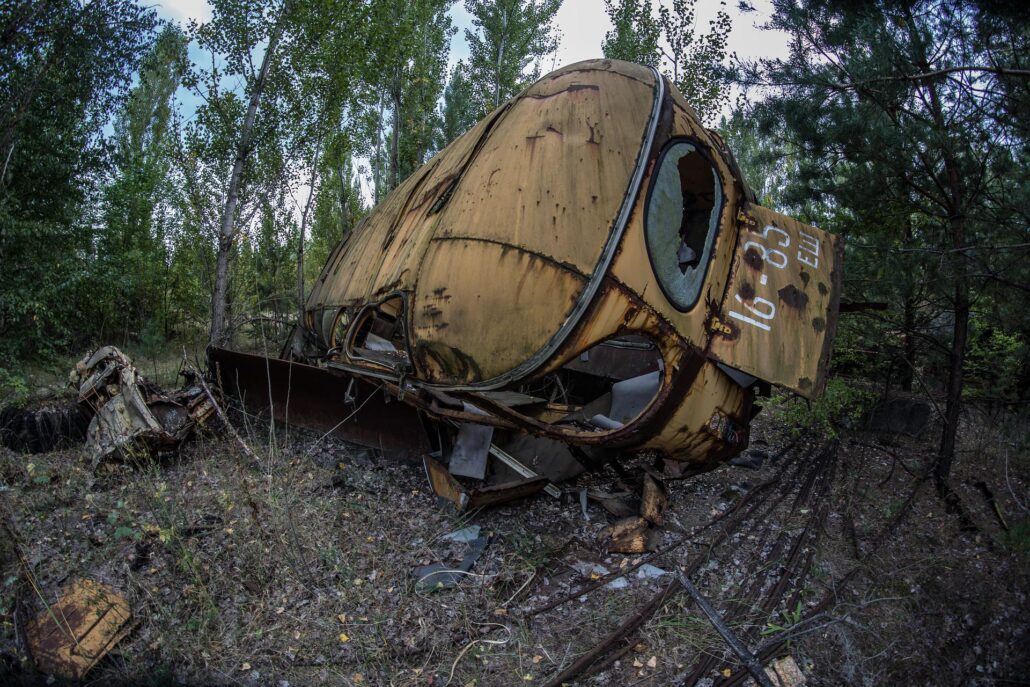
Fig 1:A lone wind turbine stands before a Dutch coal power plant, highlighting the ongoing journey towards a fully green energy transition. Photo by Tim van der Kuip on Unsplash.
Dutch Paradox

The Netherlands, despite being a leader in solar adoption and having the highest number of solar panels per capita in Europe, faces unique issues that highlight the complexity of integrating renewables into the grid [2]. With a climate that results in fluctuating solar energy production due to irregular weather patterns, the country struggles to manage both supply and demand effectively. On particularly sunny days, the Netherlands has experienced negative electricity prices for almost 4% of the time in 2023!

This is a situation where excess generation overwhelms demand and energy producers are forced to pay to offload surplus electricity. This problem is exacerbated by grid congestion, where the existing transmission infrastructure cannot handle the influx of energy, leading to bottlenecks and inefficient distribution [3].

“Welcome to the Dutch power market, where you can now make money by leaving your fridge open” [4]

This dynamic contrasts sharply with countries like Spain, where energy supply and demand align more predictably. Spain’s electricity demand peaks during hot summer days when air conditioning use is high, directly coinciding with maximum solar output. In the Netherlands, however, peak solar production often occurs during spring and summer months, when overall energy demand is lower, creating a mismatch that complicates grid management and results in inefficiencies [4].

Future Outline

Despite these challenges, the shift is still viewed as a positive trajectory for the EU’s energy system. With nearly half of EU Member States now generating more power from renewables than from fossil fuels, it signals a turning point. However, maintaining this pace will require new strategies to avoid the pitfalls seen in high-renewable regions like the Netherlands, where the focus should shift from simply increasing capacity to managing when and where energy is used and produced [3].

Overall, the EU’s success in integrating renewables will depend on its ability to balance supply and demand more effectively, expand cross-border transmission, and incentivize the development of storage solutions. The rapid transformation of the energy market offers a glimpse of what is possible but also serves as a reminder of the complexities involved in building a truly resilient and sustainable energy system [3].

References

Click here to expand the references

[1] Graham, E., & Fulghum, N. (2024, July 30). Wind and solar overtake EU fossil fuels in the first half of 2024. Ember Climate. Retrieved from https://emberclimate.org/app/uploads/2024/07/Report_Wind-and-solar-overtake-EU-fossil-fuels-in-the-first-half-of-2024.pdf

[2] Dutch Statistics: Centraal Bureau voor de Statistiek (CBS). (2023, 19 June). 46 percent more solar energy production in 2022. Retrieved from https://www.cbs.nl/en-gb/news/2023/24/46-percent-more-solar-energy-production-in-2022

[3] Çam, E., Hungerford, Z., Schoch, N., Pinto Miranda, F., & Yáñez de León, C. D. (2024, January). Electricity 2024: Analysis and forecast to 2026. International Energy Agency. Retrieved from https://iea.blob.core.windows.net/assets/18f3ed24-4b26-4c83-a3d2-8a1be51c8cc8/Electricity2024-Analysisandforecastto2026.pdf

[4] Frederik, J. (2024, October 8). Welcome to the Dutch electricity market, where you can now earn money by leaving your refrigerator door open [Translated by Author]. De Correspondent. Retrieved from https://decorrespondent.nl/15595/welkom-op-de-nederlandse-stroommarkt-waar-je-nu-geld-kunt-verdienen-door-je-koelkast-open-te-laten/ac43d35e-ef7b-06fc-0474-2204e3842168

Balancing Agriculture and Sustainability in the EU

The European Union (EU) stands at a crucial crossroads as it seeks to balance agriculture and food supply with sustainability and environmental preservation. This balance brings to light some of the most pressing challenges of our time: biodiversity loss, extremely polluting livestock, drought and water degradation. Despite significant regulatory frameworks and political commitments, the path to a sustainable agricultural future in Europe is complex.

New political landscape

The results of the recent European elections have significant implications for the future of EU agricultural and environmental policies​​. Despite a rise in far-right parties opposed to stringent environmental regulations, the centrist European People’s Party (EPP) remains the largest group in the European Parliament, maintaining a clear majority with the Socialists and Democrats (S&D) and the liberal Renew group [1]. However, the stronger presence of right-wing parties will likely influence the EU’s legislative agenda, potentially delaying or weakening environmental initiatives such as the Green Deal [2].

Loss of biodiversity

Biodiversity loss in Europe has reached alarming levels, with over 80% of European habitats in poor condition​​. The recently adopted EU Nature Restoration Law aims to reverse this trend by mandating the restoration of at least 20% of the EU’s land and sea areas by 2030, and all ecosystems in need of restoration by 2050. This law sets legally binding targets for restoring degraded ecosystems,requiring member states to develop national restoration plans, prioritize Natura 2000 sites, and enhance biodiversity in agricultural lands. However, translating these ambitious targets into actionable steps across diverse member states remains a significant challenge [3].

“Our global food system is the primary driver of biodiversity loss, with agriculture alone being the identified threat to 24,000 of the 28,000 (86%) species at risk of extinction.” [4]

Agricultural subsidies

The EU member states spend huge amounts to subsidize agriculture. The Common Agricultural Policy (CAP) of the EU accounted for €57 billion in 2013, making it the largest expenditure in the EU budget. A new study showed that 82% of these agricultural subsidies were allocated to livestock and fodder[5].

“People see fields full of plants without considering their purpose is to feed animals.” [5]

Most agricultural subsidies end up with large farmers and even landowners who do not even farm themselves. Small (organic) farmers are most affected, not only because they receive fewer subsidies, they also have to compete with an existing system that has many economies of scale and innovation. Moreover, all external costs (e.g., environment, climate, health) can be passed on to the taxpayer. This way, intensive livestock farming is being advantaged twiceconcludes Jeroen Candel, Associate Professor of Food & Agricultural Policy at Wageningen University [2].

Conflicting climate targets

Livestock is also responsible for the vast majority of food-related greenhouse gas (GHG) emissions in the EU. Livestock products subsidized by the CAP account for 84% of food-related GHG-emissions in the EU, with agriculture accounting for 10% of total EU GHG emissions [5]. This is in stark contrast to the EU’s climate target“Fit for 55”, which stipulates a net emissions reduction target of 55% by 2030 and climate neutrality by 2050.

Transforming food systems

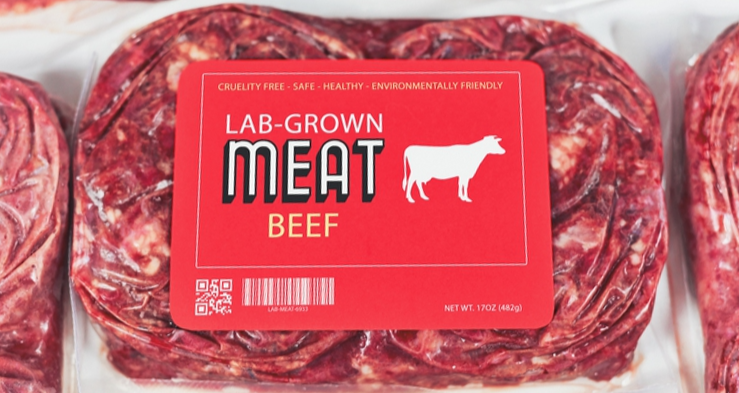
In most Member States and regions, agriculture, and especially nature, is under pressure from increasing economic activity. If 70% of that agricultural land is used for animal production, it is clear what we need to do: We need to switch to more plant-based products, because a shift in eating habits, especially a reduction in the consumption of animal products, can reduce pressure on land and natural resources [2]. Technological innovations such as lab-grown meat and precision fermentation are also leading to alternatives to livestock [6].

Fig. 1: Lab-grown meat. Royalty free photo from Getty images.

“Producers of alternative proteins receive 1,200 times less public support than intensive livestock farming.” [6]

Candel stated that these innovators in alternative protein are surrounded by uncertainty: “we don’t know if they will be successful, but expectations are high. Potentially, they are disruptive innovations that could enable us to produce more sustainably” [2]. However, governments largely ignore the climate-mitigation potential of these innovators [6]. The Dutch Liberal Party (VVD), for example, always stresses the importance of innovation, but in reality tends to support the status quo: the current dominant agricultural regime, rather than these innovative forms of food production [2].

The way forward

The future of agriculture in Europe hangs in the balance, influenced by political shifts, industrial lobbying, and societal pressures. As citizens and policymakers, the responsibility lies with us to push for changes that align agricultural practices with environmental sustainability and social equity.

Moving forward, we must advocate for policies that promote sustainable agricultural practices, support innovation, and ensure equitable distribution of resources. This includes rethinking subsidy systems, investing in new technologies, and fostering collaboration among all stakeholders—farmers, policymakers, scientists, and consumers.

Ultimately, achieving a sustainable agricultural future requires a collective effort. It demands that we remain informed, engaged, and proactive in advocating for change. By working together, we can create a resilient agricultural system that not only feeds the world but also nurtures the planet.

How the EU is Revising its 2040 Climate Targets amid Farmers’ Strikes

Earlier this month, the European Commission(EC) presented recommendations for cutting greenhouse gas emissions by 90 % by 2040 [1], building on the EU’s 2030 Fit for 55objective, and part of the broader goal of reaching climate neutrality by 2050. Notably, however, while the report states a target of less than 850 MtCO₂-eq remaining at 2040, the scope of the final document was reduced. Reuters reported that the EU’s draft target required agriculture to reduce non-CO₂ emissions by 30% compared to 2015 to meet the overall climate target, but claimed that this section was removed from the final draft [2]. Moreover, emissions from the land use, land use change, and forestry (LULUCF) sector are not included [1], as well as the 90% reduction being reliant on 400 MtCO₂ being extracted through both land based and industrial forms of carbon capture.

Changing frames

The report stated that its purpose was solely “to initiate the political debate and inform the preparation of the post-2030 framework”, with no new policy propositions or sector-specific targets set according to the EC [1]. However, the creative accounting of the report puts a particular frame on climate change, and the solutions to it. Frames have been described to have the power to define problems, diagnose causes, make moral judgements and from there suggest remedies [3]. Thinking of the recommendations in this light, shows how the chosen framing can lead the political debate to focus less on animal agriculture, and more on carbon capture and storage (CCS), producing policies to this effect.

This particular framing is alarming for several reasons. Firstly, while atmospheric levels of CO₂ have increased by roughly 50 %, atmospheric methane levels have seen a much greater increase of 162 % [4]. These exceptions create a framing where National energy and Climate plans (NECPs) are not encouraged to recognise agricultural emissions, particularly methane which the European Environment Agency (EEA) states is 80 times more potent than CO₂ over a 20 year period [5].

Nevertheless, in the EC’s report, they account for GHG emissions with an adjustment of Global Warming Potentials (GWPs)over a 100 year period. For this timeframe, the potency of methane drops to 27 times the equivalent of CO₂, thus diminishing the perceived threat. The IPCC has also recognised this misapplication of GWPs, stating:

“GWP100 is not well-suited to estimate the cumulative effect on climate from sustained SLCF emissions [Short-lived climate forcers, including aerosols, methane and nitrogen oxides] and the resulting warming at specific points in time” [6].

Accounting for SLCFs in such a way, will protract their effect over time under the proposed recommendations, and misrepresents the scale of their impact in the short-term, leading to the illusion of far more time to offset the emissions than is available. When adjusting EU GHG emissions data for 2021 [7] to a 20 year warming period, methane accounts for 1.52Bt of CO₂e with CO₂ at 2.76Bt for the same year. Measured this way, methane is shown to be a compound that demands far more attention than the EC affords it, representing 55 % of its prominent counterpart CO₂’s environmental impact. When considering a shorter term perspective, this highlights the dangers of the EC’s oversight when considering SLCFs.

The dangers of neglecting methane however, does not only lead to a miscalculation of warming potential. Elevated atmospheric methane levels can increase all-cause mortalities, particularly through promoting cardiovascular and respiratory problems [8]. Methane itself is also a marker of the volume of animal agriculture in a society, which not only causes the suffering of billions of sentient animals, but also contributes to poor public health through the risk of zoonotic diseases [9]. From a localised perspective, animal agriculture typically causes the degradation of soil and water quality, requiring significant treatment for bacteria and pathogens [10].

Fig. 1: Farmers protest in Berlin on 18 December 2023. Editorial Use Only photo by Jakob Berg on Shutterstock

The decision to tactically disclude agricultural emissions and the withdrawal of the planned halving of pesticide use demonstrates the success of recent farmer protests sparking across Europe [11]. Excluding agricultural emissions means that GHG emissions far more potent than CO₂ are excluded from the climate target. Emissions such as methane (CH4) and nitrous oxide (NO₂), are largely caused by farm animals and fertiliser runoff.

Leading to the second issue of GHG capture, methane capturespecifically has been found to be particularly ineffective [12], while also often using methods that do not negate emissions altogether, but rather transform the methane, into the less potent CO₂ and water. Achieving the aforementioned target of 400 MtCO₂ is stated in the report to require “faster investments for deployment of novel low carbon technologies such as hydrogen production by electrolysis, carbon capture and use and industrial carbon removals between 2031 and 2040”. While there is recognised future potential for various carbon capture and storage methods, their benefits are likely to appear in the  second half of the century, due to both recognised legislative barriers [13], as well financial barriers and a lack of political will, stunting the R&D of high performance CCS solutions [14].

Proposal to final targets

Greenpeace’s EU climate and energy campaigner Silvia Pastorelli stated: “Without honesty about an end to fossil fuels and finally tackling farming emissions, it’s hard to see how the EU will even clear this too-low bar it’s setting itself” [12].

The EC’s recent recommendations for cutting greenhouse gas emissions represent a significant step toward combating climate change. However, the decision to exclude agricultural emissionsfrom the final draft and the reliance on carbon capture and storage (CCS) solutions raises concerns about the effectiveness of the proposed measures.

By framing the climate debate in a way that prioritises certain emissions over others, there is a risk of overlooking critical contributors to global warming, and other societal ills, which demands urgent attention. This should be considered when the new EC and European Parliament (EP) are to pass the final emission target for 2040 after the EP elections in June.

References

Click here to expand the references
  1. Entman, R. M. (1993). Framing: Toward clarification of a fractured paradigm. Journal of communication, 43(4), 51-58. [4] NASA. (2024). Vital signs. Retrieved from https://climate.nasa.gov/vital-signs/.

    [5] European Parliament, EP. (2023, 28 March). Greenhouse gas emissions by country and sector. Retrieved from  https://www.europarl.europa.eu/topics/en/article/20180301STO98928/greenhouse-gas-emissions-by-country-and-sector-infographic

    [6] Intergovernmental Panel on Climate Change, IPCC. (2022). AR6 Climate Change 2022: Mitigation of Climate Change. Technical Summary. Downloaded from  https://www.ipcc.ch/report/ar6/wg3/downloads/report/IPCC_AR6_WGIII_TechnicalSummary.pdf

    [7] Ritchie, H., Rosado, P. & Roser, M. (2023). CO₂ and Greenhouse Gas Emissions. Retrieved from https://ourworldindata.org/co2-and-greenhouse-gas-emissions

    [8] West, J. J., Fiore, A. M., Horowitz, L. W., & Mauzerall, D. L. (2006). Global health benefits of mitigating ozone pollution with methane emission controls. Proceedings of the National Academy of Sciences, 103(11), 3988-3993. https://doi.org/10.1073/pnas.0600201103

    [9] Chakravorty, U., Fisher, D. K., & Umetsu, C. (2007). Environmental effects of intensification of agriculture: livestock production and regulation. Environmental economics and policy studies, 8, 315-336. https://doi.org/10.1007/BF03353963

    [10] Akinbile, C. O., Erazua, A. E., Babalola, T. E., & Ajibade, F. O. (2016). Environmental implications of animal wastes pollution on agricultural soil and water quality. Soil and Water Research 11(3). https://doi.org/10.17221/29/2015-SWR

    [11] European Commission, EC. (2024, 6 February). Speech by President von der Leyen at the European Parliament Plenary on the conclusions of the European Council meetings, in particular the special European Council meeting of 1 February 2024. Retrieved from https://ec.europa.eu/commission/presscorner/detail/en/speech_24_661

    [12] Carbon Offset Guide. (n.d.) Methane Capture. Retrieved from https://www.offsetguide.org/avoiding-low-quality-offsets/vetting-offset-projects/methane-capture/

    [13] Tysoe, S. (2009). Carbon capture and storage: pulling down the barriers in the European Union. Proceedings of the Institution of Mechanical Engineers, Part A: Journal of Power and Energy, 223(3), 281-291. https://doi-org.mu.idm.oclc.org/10.1243/09576509JPE626

    [14] Rubin, E. S., Mantripragada, H., Marks, A., Versteeg, P., & Kitchin, J. (2012). The outlook for improved carbon capture technology. Progress in energy and combustion science, 38(5), 630-671. https://doi-org.mu.idm.oclc.org/10.1016/j.pecs.2012.03.003
  2. Niranjan, R. (2023, 6 February). EU lays out plan to cut greenhouse emissions by 90% by 2040. Retrieved from https://www.theguardian.com/environment/2024/feb/06/eu-lays-out-plan-to-cut-greenhouse-emissions-by-90-by-2040

Less for More: the Shrinkflation

In recent times, inflation has been on the rise and the cost of living has increased in all areas. Price increases are everywhere, but we would like to focus on one particular phenomenon plaguing supermarket products: the shrinkflation. [1] The neologism comes from the fusion of two English terms such as “to shrink” and “inflation”. This marketing move makes it appear to the less careful consumer that prices have not increased or have increased only slightly, while the packages get smaller or their contents get lighter. Personally, I’m finding this more and more often, but it is easier when it comes to products we are used to buying. An example would be Elmex toothpaste, which went from 100ml packs to 75ml, same box and almost identical tube but with a quarter less product! To top it off, you can now find “bargain” formats with two 75ml toothpastes together.

Fig. 1: The Elmex toothpaste, which reduced in quantity from 100ml to 75ml.

Plenty of other products are suffering the same fate, even beer! In fact, Peroni Nastro Azzuro “national” beer is now sold in 62cl format, when usually all beers of that format are 66cl.
The tools to understand the phenomenon and try to defend ourselves are there. For example, it is advisable to always refer to the price per kg or liter of the products, to have a comparable indication with others brands or formats. The Internet then, with some discernment, helps us understand if the product previously had a different format. For example, the Italian web page shows that Nastro Azzurro beer is available in 62 cl format while the English version still shows 66 cland not 62 cl.

In France, the supermarket chain Intermarchè recently went a step further in defense of consumers with an advertising campaign pointing the finger at the giant Uniliver, pointing out that some of its products such as Magnum ice creams have shrunk for no reason.
Uniliver responded by taking Intermarché to court for defamation.[2] Even Carrefour started a similar campaign: they will identity products affected by the shrinkflation and mark that clearly. [3]

Fig. 2: Ads from the Intermarchè campaign against the shrinkflation.

The harm is not only to us consumers, who are being bypassed. The environment also pays the cost of this malpractice, because packaging that is nearly the same but with less product content means more waste to dispose of for the same amount of product.
Not surprisingly, packaging waste has increased from 66 million tons in 2009 to 78.5 million tons in 2019, an increase of more than 10 percent in 10 years. In terms of virgin material, 40% of the plastic and 50% of the paper used in Europe is for packaging [4]. We cannot afford to increase this amount by one percentage point every year. To get an idea of the absurdity of certain food packaging, check out this article from GreenMe.

March 30, exactly two months from now, will be International Zero Waste Day [5], let’s not be caught unprepared and keep our attention level high to avoid scamming and waste!

Sustainability Implications of Dutch Far-right Victory

Marine Le Pen in France, Giorgia Meloni in Italy, the British leaving the European Union in 2020, former Eastern Bloc countries flirting with communism again and reaching out to Vladimir Putin’s Russia. The Dutch elections, in which the far-right PVV party lead by populist Geert Wilders became the biggest party in the game, fits into the growing right-wing sentiment in Europe[1]. GreenMarked explored the implications of this election result for sustainability in the Netherlands.

Anti-sustainability by the PVV

As with the Brexit, Wilders wants a “binding referendum” on a Dutch “Nexit” [2]. Moreover, Wilders denies the urgency of climate change and wants to cancel the Paris Agreement:

“The Climate Bill, the Climate Agreement and all other climate measures go straight through the shredder. No billions wasted on pointless climate hobbies, but more money for our people.”

PVV election programme 2023 [2]

In addition, the entire energy transition should be cancelled if it is up to the PVV. Wilders wants “no more wind turbines and solar parks” as well as “eliminating all climate subsidies”. Instead, coal and gas power plants should stay open” and “new nuclear power plants should be added”, the latter then being the only low-carbon energy source. Contradicting, though, is that Wilders calls for “keeping the solar panel subsidy scheme in place” [2].

While these statements are very alarming, it is important to understand the Dutch political landscape. Dutch politics is characterised by a robust multi-party system, in which no single party traditionally achieves an absolute majority in parliament. Therefore, coalition governments are the norm, requiring parties to engage in complex negotiations to form alliances and shape policy agendas, known as the Dutch “polder model“.

Despite gaining almost a quarter of the votes, it remains questionable whether other parties are willing to enter a coalition with the PVV. Potential coalition parties have been particularly critical of PVV’s controversial anti-Islam views, which are considered unconstitutional. Instead, these potential coalition parties stated that they want to adhere to the rule of law [3]. The outcome depends on the current formation process. Last time, it took almost ten months to come up with a new cabinet.

Dutch constitution

Adhering to the constitution goes beyond freedom of speech and religion. The Dutch Constitution also includes climate policy, although not explicitly. The Constitution mentions that the government takes care of the environment (article 21), but also has to ensure security of existence (article 20) and public health and housing (article 22). All those articles relate to climate as well [3].

This is obvious where the environment is concerned. However, livelihood security, public health and housing are also threatened by floods, forest fires, dangerously high temperatures, extreme weather – in short, the effects of climate change. Severe storms destroy homes, businesses and vehicles, heat waves cost the lives of vulnerable elderly people in particular [3].

Moreover, climate change will hit the poorest parts of the world hardest – think of the devastating floods in Pakistan. This leads to more displaced people, more refugees, more international conflicts, which is terrible in itself, but on top of that, it leads to more pressure on livelihoods, healthcare and housing in our own societies [3].

Legal perspective

This has also been recognised by the Dutch courts. An example is the Urgenda case we reported on in 2021. Here, the Dutch Court and Supreme Court ruled that the Dutch State was violating human rights with insufficiently ambitious climate policies. The human rights that formed the legal basis of that judgment were the “Right to life” and the “Right to private and family life” [4]. Dutch judges are not permitted to review laws for compliance with the Constitution [3].

Fig. 1: Caretaking of the world. Copyright-free photo by Dorothe on Pixabay.

Climate dossier cannot be dismissed

In a democratic constitutional state, politicians may enact any law they want, as long as they abide by the Constitution. The fundamental rights enshrined therein require effective policies in line with the Paris Agreement [3].

As such, top advisers to the Dutch government concluded that a new Dutch cabinet cannot “put climate policy through the shredder” [5]. In addition, these advisers foresee that “applying the brakes [on climate policy] will harm business rather than help” [5].

“EU countries such as Germany and France, which are laying out roadmaps for a low-carbon economy, could be a draw for companies looking to adopt clean technology. As a result, the Netherlands may find itself ‘at the back of the bus’ in Europe, but should still join them to the final destination of a low-carbon society.” [5]

The Netherlands must do its part to keep global warming below 2 °C and should only raise its ambitions in that regard, not lower them. Which measures will be taken to achieve that goal can be negotiated, but the fact that this effective policy must be in place should not be a question at the formation table. Otherwise they risk being overruled by the judge[3].

Beyond climate targets, the Netherlands cannot ignore the consequences of global warming, being the “increasing blue risk”. Even if limited to 2 °C, the Netherlands will face a rise in sea-water way beyond the capacity of its Delta Works defence system [6]. Extreme countermeasures must be taken to prevent the majority of land from flooding [7]. However, can we expect sound water safety policies from a party that denies the root cause of the climate crises?

For both climate policy and water safety policy, doing nothing now will only make it more difficult and expensive in the future. Countering the climate crisis is not only about complying with European directives, but also about protecting their coasts, their land, their people and their future. That is why relating human rights were integrated into the Dutch Constitution.

This article is part of the project “PILLOLE D’ACQUA PIANA: seminari itineranti, blog e podcast per una gestione sostenibile delle risorse idriche in Piana Rotaliana” carried out by ECONTROVERTIA APS and supported by Fondazione Caritro (Prot. no. U445.2023/SG.386 of April 23, 2023).

EU Takes Decisive Action Against Greenwashing and Misleading Environmental Claims

The European Union (EU) has taken an important step towards promoting transparencyand consumer empowerment by agreeing on a pioneering set of measures aimed at tackling greenwashing and increasing consumer awareness about product sustainability and durability [1]. This development follows a global trend of growing environmental awareness and the need to ensure that environmental claims match real efforts to combat climate change and protect our planet [2].

In a previous blog post, we explored how internationally renowned companies often use offsettingas a way to make green claims, highlighting the importance of understanding the underlying methodologies and analyses behind such claims.

Ban on misleading practices

The EU’s latest initiative targets misleading marketing tactics, including the widespread problem of greenwashing. These new rules aim to protect consumers from misleading practices and provide them with the necessary information to make well-considered choices when buying products.

Here is what you need to know:

1. Generic Environmental Claims: The EU will ban vague and generic environmental claims such as “environmentally friendly”, “natural”, “biodegradable”, “climate neutral”, or “eco”, unless these claims can be substantiated with recognized evidence of excellent environmental performance.

2. Product Durability: Companies will be prohibited from marketing goods with features that limit their durability without providing information about these features and their impact on the product’s longevity.

3. Emissions Offsetting Claims: Claims that a product has a neutral, reduced, or positive impact on the environment through emissions offsetting schemes will be banned unless backed by credible evidence.

4. Certified Sustainability Labels: Only sustainability labels based on approved certification schemes or established by public authorities will be permitted. This move ensures that sustainability claims are validated by recognized entities.

5. Guarantee Information: The EU will make guarantee information more visible to consumers. Many people are unaware that all goods come with a two-year guarantee in the EU. This initiative aims to enhance consumer knowledge and protect their rights.

6. Extended Guarantee Label: Producers who voluntarily extend their product guarantees free of charge will be able to display a new label highlighting the quality and durability of their goods [1].

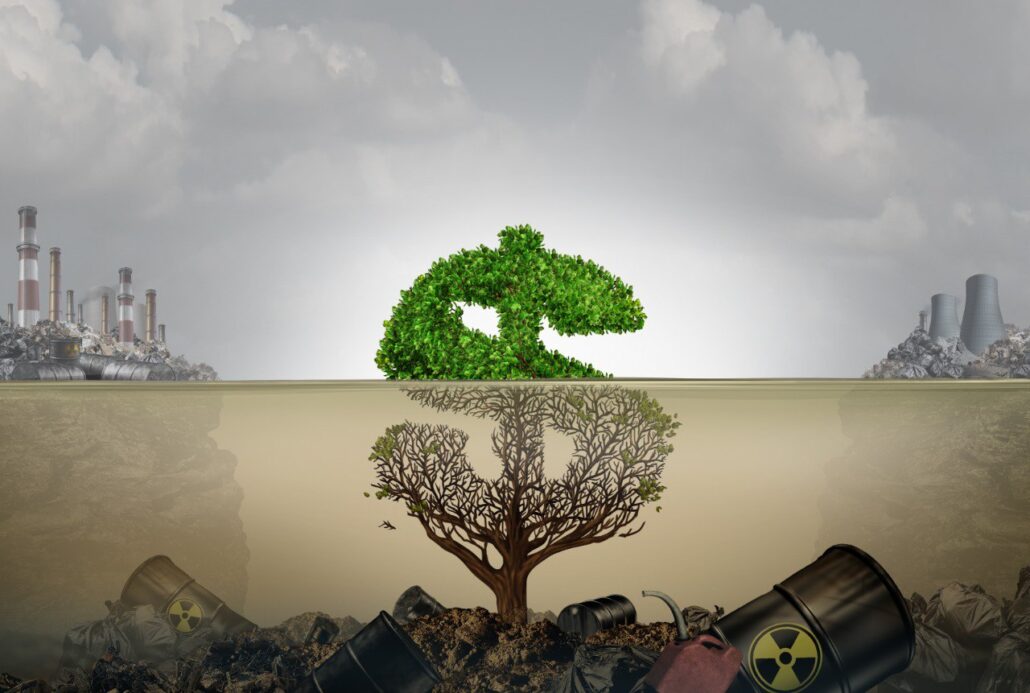
Fig. 1: Financial costs of pollution. Copyright-free photo by Lightspringon Shutterstock.

Empowering consumers

As the EU takes the lead in these efforts to promote transparency and empower consumers, it is sending a clear message to companies that greenwashing and misleading marketing practices will no longer be tolerated. This initiative is in line with a global movement towards sustainability and responsible consumption and emphasises the fundamental right of consumers to accurate and reliable information when making choices that affect our environment [1].

The EU’s proposal includes common criteria that provide consumers with greater clarity and assurance that when something is marketed as a green product, it truly lives up to that claim. This empowers consumers with better information to make environmentally friendly choices in their purchases [3].

Simultaneously, businesses are stimulated to enhance the ecological sustainability of their products, aiding consumers in recognizing these environmentally conscious choices. This supports genuine businesses in their sales efforts while combating unfair competition. Ultimately, this contributes to a level playing field regarding information on the environmental performance of products [3].

In conclusion, the EU’s proactive stance against greenwashing and deceptive marketing practices signifies a significant step toward a more transparent and sustainable future. By empowering consumers and encouraging responsible business practices, these measures create a win-win scenario where both consumers and genuine businesses benefit, setting the stage for a more environmentally conscious marketplace.

Green Energy: definitive solution or band-aid?

Building new facilities, such as factories, farms, buildings, and many others, requires several procedures to undergo through. A crucial one is the Environmental Impact Assessment (EIA), which studies the environmental impacts of the facility. It also proposes preventive, protective, and corrective measures for those impacts.

Let us think of an example: to build a coal-burning plant, we have to analyze all the environmental variables affected by the plant, including the effect of the construction and the future activity on the environment nearby, and how to minimize them. The same would go for a wind park. Or would it?

Last January, the Spanish government registered a proposal for renewable energies to be exempt from EIA
validation[1], to promote green energy, according to the European parliament’s Renewable Energy Directive (RED) [2]. And this raises several concerns.

When talking about green energy, our mind goes automatically to pictures of windmills, solar panels, or hydroelectric dams, focusing our thoughts only on the amount of greenhouse gases released into the atmosphere. Sometimes, this can fool us, by making us think that no emissions mean no impacts, which is not true. These kinds of facilities require lots of space, affect the surrounding landscape and environment, and need rare metals and delicate components that are extracted in some way.  All these requirements can be considered quite impactful.

Another important consideration concerns what is considered Green energy, Indeed, not so long ago the European Commission considered that nuclear and natural gas energy could be labeled as “green”. Would that mean that nuclear plants or gas-burning facilities could also be excluded from environmental surveillance? Does not seem necessary to explain the impacts these facilities have.

However, this does not mean abandoning renewables. We must pursue 100% green energy production actively, just not at any cost.

Even with no emissions, there are impacts to consider and minimize. Macro-projects often have negative impactsand, unless we are talking about economic benefits, they present more downsides than benefits [3]. What could be pursued, more ideally, are for instance self-sufficient buildings.

In 2019, the Spanish government eliminated the so-called “Sun Tax” [4], a charge in the electric bill for those that installed solar panels for self-consumption. Since then, self-consumption in Spain has gone from 0.9 % to 4.5 % [5]. There is still loads of work to do, but working in facilitating people to have their own electric consumption secured, instead of depending on non-renewable energies, or big and extensive facilities, could actually mark a difference.

Our lifestyle depends on energy, this is an unalterable fact at this point.

We can rethink it and change it. Right now, we know that our way of living is based on consuming more than we should, making energy another overexploited resource.

So far, while we talk about promoting green energy, we should also talk about degrowth [6]. It is since 1972 that it has been known that unlimited growth is not possible[7]. As we have increased our consumption of everything, including energy, above the limits of the planet, working on reducing the use of power seems just fair.

The solution to the energy problem is not only to shift from non-renewable sources to full renewables. this is just a good start. The solution is to completely
rethink our need for energy.That would have an incredible impact.

How to Change the Status Quo of Packaging

The holiday season has also been archived for this winter. We all attended big lunches and dinners, bought and wrapped gifts for our loved ones and ourselves. Besides many good memories, what are we left with? A mountain of waste and packaging to dispose of! Not surprisingly, a recent analysis by Transport & Environment [1] reports how this Christmas brings a +133 % spike in pollution caused by the logistics of transporting goods.

Although we all try to pay attention to how to dispose of this packaging by sorting it as best we can, by now this is no longer enough: according to the April 2022 report by ECCO [2] in 2020 almost 100 kg per person of plastic was consumed in Italy: we are the second in Europe and that is nothing to be proud of. About 40 percent of this plastic is turned into packaging, which will end up in supermarkets and then in our homes especially at parties and banquets. Sadly, much of this plastic waste will never be recycled [3]. We have covered this issue previously, talking about how some packaging should be redesigned from scratch.

The European Union (“EU”) is trying to put a stop to this with the Circular Economy Package. The Circular Economy Package [4] and the new EU Packaging Regulation [5], approved in late November 2022, wants to improve the entire sector, from disposable to bioplastic packaging. Included in this regulatory package are targets related to reducing and reusing packaging, leading to limiting single-use as much as possible. Europe Direct’s Florence page has created an excellent list of questions and answers on the topic that we recommend reading.

In Italy, the legislation has been widely criticized by Stefan Pan [6], Confindustria’s delegate for Europe in an interview with Sole 24 Ore, who speaks of disastrous scenarios for Italy’s excellent recycling supply chain caused by this new legislation. FederDistribuzione and CONAI are also of the same opinion, expressing fears of the fallout on Italian industries.

Not surprisingly, during the press conference for the presentation of the circular economy regulatory package, European Commission Vice President in charge of the Green Deal Frans Timmermans spoke in Italian to reassure on the objectives of the legislation. You can listen to him in this excerpt from the press conference:

So on the one hand we have Europe trying to give clear directions on how to proceed and on the other the industrial lobbies struggling to adapt but will have to do so anyway.

“Reuse is not in competition with recycling” Frans Timmermans

But there are also other players on this chessboard: citizens, the media, associations and nongovernmental organizations (NGOs). Among all the environmental organizations, GreenPeace launched a major initiative together with ilfattoquotidiano.it called “Plastic Carts” [7]. This initiative sought to assess actions to reduce the packaging of the largest supermarket chains in Italy. The report draws a tragic situation for almost all the chains involved.

This survey highlights another important fact: Law No. 141 of 2019, also referred to as the Climate Decree, allows supermarket customers to “use their own containers as long as they are reusable, clean, and suitable for food use,” but both citizens and merchants are not informed and prepared for this possibility [8].

Did you know that in Italy, thanks to Law 141 of 2019, you can use your reusable bulk containers in all supermarkets?

We cannot forget to mention the initiative “A Buon Rendere – molto più di un vuoto” [9] launched by the Associazione Comuni Virtuosi and other partners, which “aims to facilitate the transition to a circular economy in the packaging sector” by introducing a national deposit deposit system (DRS). In exchange for a deposit on the packaging of the beverage purchased (plastic or glass bottle or can), this system would allow some containers to be reused or at least improve recycling collection and the quality of recyclable material. The deposit system on beverage packaging has existed and worked for decades in countries such as Austria and Germany, and other countries have since adopted it as well.

As we have seen, the situation is constantly evolving thanks to both the European Commission and nongovernmental organizations, but also thanks to citizens who are not simply adapting to the status quo and are reacting with ideas and pressure aimed at a better future for everyone.

A hungry game: climate change, COVID-19, and the Ukraine war

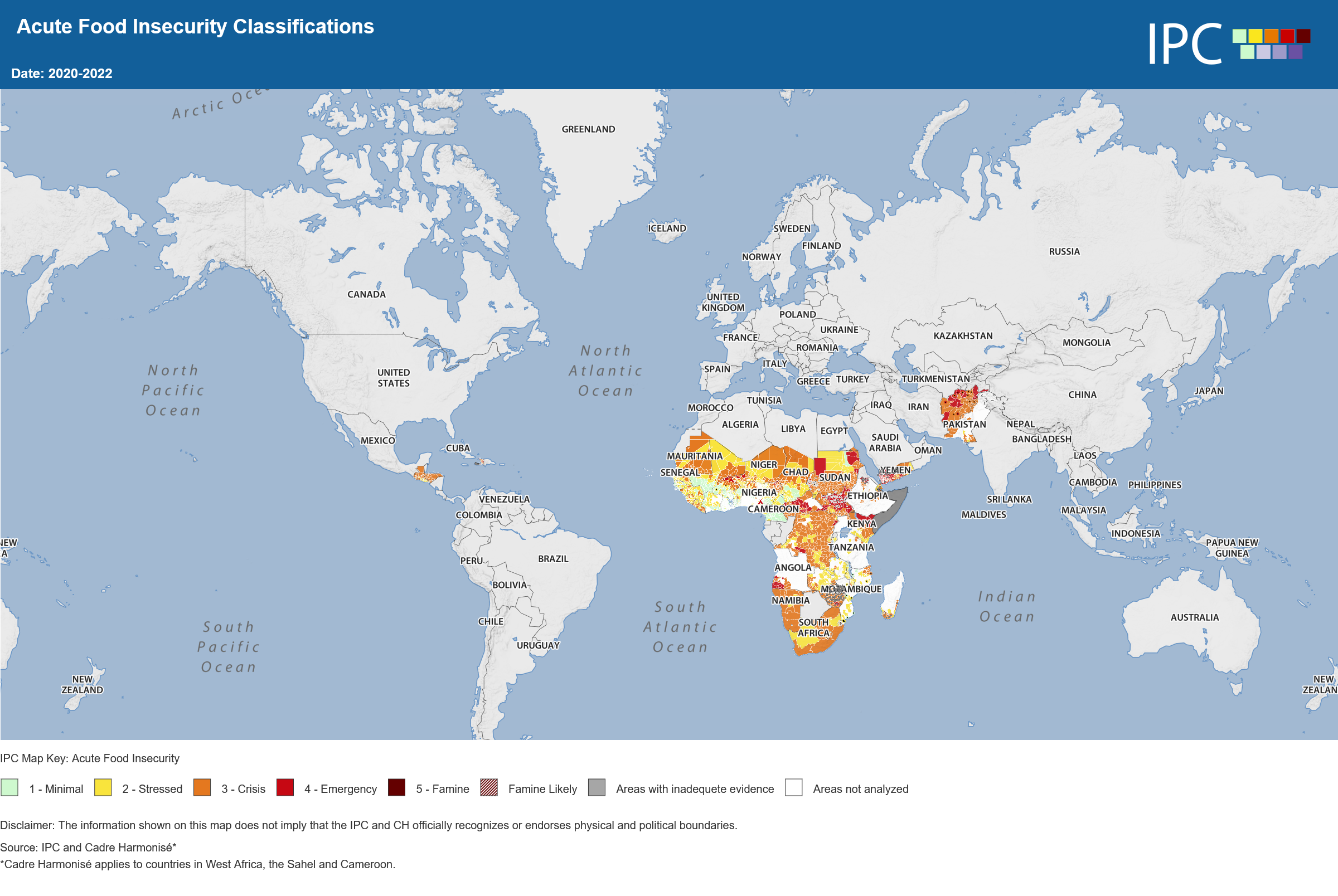
Even before the Ukraine war, the World Food Programme (WFP) had warned that 2022 would be a terrible year for food security. China, the largest wheat producer declared that last year’s rains delayed planting, and this-year crop may be its worst ever. Moreover, the extreme temperatures in India, the second-largest producer, and the drought in America’s wheat belt and Europe contributed to rising food insecurity [1].
If in 2021 the global levels of hunger were alarmingly high as a consequence of the COVID-19 economic shock, they would be expected to grow further in 2022, because of the repercussions of the Ukraine war on food, energy and fertilizer prices and supplies.
The most at-risk economies are the undeveloped ones, such as the African and the Middle-East countries, which have been struggling to grow food because of local conflicts or economic crises and cannot afford a further recession [2].

THE WORLD IS THIRSTY

According to NASA, the average global temperature on Earth has already increased by at least 1.1° Celsius [3]. As a consequence, the number of extreme events such as storms, heatwaves, floodsor forest fires has raised, coming along with all the related damages to urban and natural ecosystems.
Food production is highly dependent on the climate. Climate change could make it difficult to grow crops, raise animals, and catch fish. Different temperatures and more frequent extreme events harm plants, reduce yields and bring always new invasive species. Up to now, the most concerning issue is chronic water scarcity, especially in semi-arid and arid areas where water is likely to become limited and farmers will deal with drought [4]. In Italy, we are having a real taste of drought. The Po river bed is quite empty, and summer is not started yet. On the other coast of the Mediterranean Sea, however, countries have experienced water scarcity for a long time

THE COVID AFTERMATH

COVID-19 caused an immediate break in the global transportation systems and in all the connections among countries. At the end of 2020, it was clear that those that would have suffered the most from this crisis would have been Middle-East and Africa. There, a stop in trading would have meant further physical and ideological walls.

It is critical that commercial trade continues to flow regardless of anything else taking place around it.

warned the WFP chief economist Arif Husain.

If that stops, the humanitarian work cannot happen. Quite simply, millions of people’s lives depend on the flow of trade, and the impact of disruption on people’s food security is hugely concerning. [5].

Countries with large public debt have struggled to respond to the COVID-19-induced financial crisis. In the Middle East, Yemen, Iran, Iraq, Lebanon and Syria faced severe economic problems, worsening the local food shortage. In Africa, in the Demographic Republic of Congo, Zimbabwe, Mozambique, Malawi, and the Central African Republic are the most at risk, for a total of 45.56M starving people [2].

THE WORLD BREADBASKET

For a long time, Ukraine has been named the Europe Breadbasket. Actually, Ukraine is the 8th exporter of wheat worldwide, the 1st of sunflowers and derivates, and the 4th of barley and corn. Ukraine is one of the most important players in the global agriculture market, not in Europe only [6].
Stopping the agro-food chain of Ukraine would mean threatening the global economy, and that is what is happening right now. In Ukraine, the (few) undamaged silos have been already overfilled with cereals and are just waiting to be moved abroad. However, in the Black Sea, Russian patrols and Ukrainian minefields make the course impossible for mercantile ships, and there is no humanitarian corridor going to the western border.
While Europe and Turkey have been trying to unlock this situation for days, on June 3rd, Macky Sall, the President of the African Union, met the Russian President asking to guarantee food and fertilizers in Africa to avoid a catastrophe. There, most of the countries there have not already overcome the COVID economic slowdown and a further rise in the cost of food could be fatal for them [7].

A falling food production, broken commerce and tons of grains trapped in the warzone waiting to go bad is a lot to deal with.
If developed countries can survive this series of shots, the same might not happen for developing and undeveloped ones, where people are paying for food and water scarcity with their own life. Releasing Ukrainian food can be the first achievement, but it cannot be the only one. Cooperation and investments must be ensured to save lives and fight climate change [2].

Cover and preview photo: Free-source photo by Raphael Rychetsky on Unsplash (Meisenheim, Germany, 8 July 2017)

Bibliography:

[1] The Economist. (2022, May 20). The coming food catastrophe. https://www.economist.com/leaders/2022/05/19/the-coming-food-catastrophe

[2] World Food Programme. (2022). Global Report on Food Crises. https://docs.wfp.org/api/documents/WFP-0000138913/download/

[3] World of Change: Global Temperatures. (n.d.). https://earthobservatory.nasa.gov/world-of-change/decadaltemp.php

[4] Climate Impacts on Agriculture and Food Supply | Climate Change Impacts | US EPA. (n.d.). https://climatechange.chicago.gov/climate-impacts/climate-impacts-agriculture-and-food-supply

[5] Risk of hunger pandemic as coronavirus set to almost double acute hunger by end of 2020 | World Food Programme. (n.d.). https://www.wfp.org/stories/risk-hunger-pandemic-coronavirus-set-almost-double-acute-hunger-end-2020

[6] G. (2022, April 23). La ricca Ucraina e’ il granaio d’Europa -Dalle pallottole di Kiev alle bollette degli Italiani – Minaccia nucleare da non sottovalutare. Newsfood – Nutrimento e Nutrimente – News dal mondo Food. https://newsfood.com/dalle-pallottole-di-kiev-alle-bollette-degli-italiani-questo-e-leffetto-certo-dellattacco-di-putin-allucraina/

[7] R. (2022b, June 17). Rassegna stampa africana: l’incontro tra Macky Sall e Putin e le tensioni nella regione dei Grandi laghi. Affari Internazionali – Politica ed economia estera. https://www.affarinternazionali.it/rassegna-stampa-africana-lincontro-tra-macky-sall-e-putin-e-le-tensioni-nella-regione-dei-grandi-laghi/

Climate friendly post-COVID traveling

Cheap flight tickets from budget airlines allowed everyone to discover other parts of the world without spending half their monthly salary. This habit, a sign of an excessive and unsustainable lifestyle, became especially evident when national borders closed during the Corona pandemic. We even believed that this extraordinary time of history would increase people’s awareness of the resource depletion of our planet. Yet, how did our travelling habits change now that many countries are slowly readapting to a post-COVID era?

“Since the Corona measures were largely lifted and we are going on holiday en masse again, it is chaos at Schiphol: long queues, threatened airline staff, strikes and cancelled flights.”

The above headliner in a Dutch newspaper reflects a business-as-usual perspective at Europe’s busiest airport [1]. The International Air Transport Association (“IATA”) expects the total number of air passengers in 2023 to be close to pre-COVID levels, and raise from 2024 onwards [2].

This does not mean that people are not receptive to change. To fight the climate crisis, an overwhelming 87 % of EU citizens are willing to replace short-distance flights with fast, low-polluting trains together with neighboring countries, compared to 71 % in the US [3].

The main benefits of rail traveling compared to other means of transportation are that: (1) Travel time can be used differently (e.g., for working, sleeping, or reading); (2) You can see more of the journey (e.g., scenery); (3) Trains are safer; and (4) Trains produce less greenhouse gas emissions [4].

Night trains are making a comeback in Europe. After decades of closing night train lines, European governments and railway companies and actors have chosen a different path now. The Austrian railway company ÖBB is expanding its NightJet network across Europe, the French government announced the reintroduction of ten night-train lines, and the Swedish government wants to run a night train to Brussels [4]. The already existing Italian night railway is shown here.

However, the rail sector also faces the consequences ofthe war in Ukraine. The higher energy prices lead to increasing purchasing costs of electricity for companies without long-term contracts. Moreover, SCI Verkehr claims that train wagon manufacturers will increase their prices by 30 %, which would have severe drawbacks for the operators who will not be able to pass on these costs in full to the market [5].

Fig. 1: Austrian Railjet train crossing a bridge (free-source photo by Florian Kropshofer from Pixabay).

The European Commission (“EC”) aims to boost long-distance and cross-border passenger rail transport with a new action planpresented in December 2021. Passengers should be able to buy tickets more easily, international timetables will be improved, more fast lines will become available, and passenger rights will be strengthened [6].

In addition, the EC is working towards a level playing field for train travel by considering the abolishment of country-specific VAT on international train tickets and, at the same time, increasing flight ticket prices. The European Green Deal stipulates that the aviation industry must (finally) pay taxes on kerosene, a higher tariff on CO₂ emissions and is obliged to use more expensive and sustainable fuel. National governments like the Netherlands and Belgium also started charging a ticket tax, making air travel more expensive [6].

Dutch newspaper NRC investigated international trains as an alternative to popular short flights from Amsterdam. Using flight data, emission figures and other data, it concluded that trains could effectively replace planes, especially to destinations within 500 kilometres of Amsterdam. Eight of the seventeen destinations studied within this distance are even cheaper to reach by rail [7].

Are you going on holiday within Europe this summer? Check EcoPassenger to find out the most environmentally friendly means of transportation, or read Climate change – A new way of traveling for additional tips.

Cover and preview photo: Empty train tracks cutting though a green field at sunset. Free source photo by Konstantin Planinski on Unsplash (Karnobat, Bulgaria. September 2017).

REFERENCES:

[1] König, E. & Benjamin, J. (2022, 4 June). #34 Political flight shame [Translated by Author]. Retrieved 4 June 2022, from https://www.nrc.nl/nieuws/2022/06/04/34-politieke-vliegschaamte-a4132268

[2] International Air Transport Association (IATA). (2022, 1 March). Air Passenger Numbers to Recover in 2024. Retrieved on 6 June 2022, from https://www.iata.org/en/pressroom/2022-releases/2022-03-01-01/

[3] European Investment Bank (EIB). The EIB Climate Survey 2021-2022.
https://doi.org/10.2867/414948

[4] Germanwatch. (2021, March). European public opinion poll shows support for shifting flights to rail.Downloaded 6 June, from https://germanwatch.org/sites/default/files/2021-03-26_EU%20Rail_polling%20report_final-1.pdf

[5] IRJ Staff. (2022, 27 April). Rising energy prices a challenge for European rail sector.Retrieved 7 June 2022, from https://www.railjournal.com/analysis/rising-energy-prices-a-challenge-for-european-rail-sector/

[6] European Commission (EC). New Action Plan: boosting long-distance and cross-border passenger rail. Retrieved on 6 June 2022, from https://transport.ec.europa.eu/news/action-plan-boost-passenger-rail-2021-12-14_en

[7] Benjamin, J., Van Gameren, E. & Molijn, C. (2022, 20 January). Is the international train really a reasonable alternative to short air travel? Retrieved on 6 June 2022, from https://www.nrc.nl/nieuws/2022/01/20/is-de-internationale-trein-echt-een-redelijk-alternatief-voor-korte-vliegreizen-a4081166

War in Ukraine. What about the environment?

War means uncertainty of tomorrow. It is tragic, terrifying and disastrous for humans but – no matter who wins – it is also a loss for the natural environment: the invisible third side of a war.

The natural environment is affected locally both in and out of warzones, but in war times nobody takes care of local environmental crises anymore. Since they are usually managed by the national army, they remain in stand-by because soldiers are busy elsewhere [1]. The environment is also affected globally because the climate crisis inevitably slides into the background of governments’ agendas.

ENVIRONMENTAL EFFECTS IN THE WARZONE

Areas that once were crowded with people and animals become empty shredded ruins after a battle. Cities collapse and forests burn. Fires and explosions are the most common environmental war-related disasters, along with debris and waste accumulation on roadsides [2]. Since last February 24, this has become the situation in Ukraine. And yet, it represents just the tip of the iceberg of the environmental impact caused by the war in Ukraine.

Ukraine received from the Soviet Union a heavy industrialized but strongly polluted inheritance. The Donbas area is indeed rich in quarries and mines. Up to the second half of the XX century, it was a rich mining hub of coal, salt, potassium, and rare-earth-metals [3]. Between 2014 and 2022, the conflict in Donbas has presented significant risks to the environment and the public health of local people. Now, with the full-scale Russian invasion of Ukraine, it is more difficult to understand and keep monitoring the real environmental risks.

Even before the beginning of the 2022 war, abandoned coal mines in Donbas were flooding with toxic substances. Cuts in electricity supplies and disruption from the conflict, which in Donbas started in 2014, led to the breakdown of water pumps in coal mines. This caused flooding and groundwater pollution, and an increasing risk of contamination for the Siverskyi Donets River, a source of drinking water for most locals [4].

Since the invasion started, the number of environmental hazardous accidents has raised. On 13 March a shelling damaged the coke plant – mainly for industrial purposes – and the thermal power plant in Avdiivka risking the release of harmful substances. In Sumy, another shelling led to ammonia leakage. Many other heavy industry factories have been suffering from war damage all over Ukraine.

Additionally, the breakdown of the waste management system raised a dilemma about all the waste storage and recycling facilities containing toxic waste. It was estimated that in Ukraine there are 465 storage facilities with over six billion tons of hazardous waste. Around 60 % of them are old and abandoned. Their proximity to water bodies and towns could lead to polluting Ukraine’s major rivers, which flow through Russia, Moldova, and Belarus [5].

Eventually, battles close to nuclear sites, like the ones of 9-10 March close to the dismissed Chornobyl Power Plant or Zaporiz’ka Nuclear Power Plant, raised concern of another nuclear disaster after 1986. Even if nuclear plants are under the protection of the Geneva Convention and they may not be made the object of a deliberate attack [6], there is still a high risk of incidental damage when these plants happen to be near the front line [5].

Fig. 1:Wreck in the woods close to Chernobyl’s nuclear plant. Image by Wendelin Jacober from Pixabay.

GLOBAL ENVIRONMENTAL EFFECTS OF WARS

The global climate impact of the Ukrainian war is linked to the relations between Russia and Western countries. Here, the main actors are the energy and fuels markets, crucial for the economies of Europe and Russia, as well as for the climate crisis.

The decreasing flow of Russian gas into European pipelines provoked an initial period of concern among European countries. At that time, it stroke that the energy independence and the Paris Agreements could be reached hand in hand.

On May 18, the European Union accelerated the REPowerEU plan, attempting to stop its reliance on Russian gas and, at the same time, promoting the energy transition towards a decarbonized economy. The program aims to increase energy savings, diversify supplies, and accelerate the roll-out of renewables that can replace fossil fuels [7].

Can this be actually the time of renewables?

War comes along with change, but solar and wind power still need critical and hard-to-retrieve materials and technologies, such as rare earth metals and smart grids. Being able to access and transform them is an ambitious goal that must be reached as soon as possible to guarantee energy independence and net-zero emissions to Europe [8].

Ban Ki-moon, the former Secretary-General of the UN, affirmed that the environment is the silent casualty of war [5]. War destroys and pollutes the environment in the fighting areas and there is not much civilians and institutions can do, other than keeping the situation monitored and sending humanitarian aid.

On February 24, 2022, Western countries woke up suddenly from their sweet dream of globalized peaceful cooperation. With the world order moving towards a chaotic situation, it seems quite useless to worry about the environment instead of rearmament. But this can be the right opportunity for nations’ leaders to really act for the climate at a global level.

Cover photo:View of Mariupol’s harbor, Ukraine (May 2021). Photo by Viktor Hesse on Unsplash.

Preview photo:Wreck in the woods close to Chernobyl’s nuclear plant. Image by Wendelin Jacober from Pixabay.

REFERENCES:

[1] https://www.independent.co.uk/climate-change/siberian-wildfires-climate-crisis-russia-b2063988.html

[2] https://ceobs.org/how-does-war-damage-the-environment/

[3] https://it.wikipedia.org/wiki/Donbass

[4] https://ceobs.org/country-brief-ukraine/

[5] https://www.greeneuropeanjournal.eu/the-environmental-cost-of-the-war-in-ukraine/

[6] https://ihl-databases.icrc.org/customary-ihl/eng/docs/v1_rul_rule42

[7] https://www.affarinternazionali.it/repower-eu-autonomia-energetica-europea/

[8] https://www.limesonline.com/autori/fabrizio-maronta

With the Russian-Ukrainian war natural gas is out of the game. Is the European Union’s Green Deal derailing?

In January we wrote about the European Commission’s proposal to label certified nuclear power and natural gas as clean energy sources, thus causing anger among plenty environmental associations who accused Europe of greenwashing [1].

Today, as a consequence of the Russian-Ukrainian conflict, the situation has radically changed and it is no longer certain that Russian natural gas will keep flowing into Europe in the near future. Since Russia is the EU’s main natural gas provider, the leaders of some European countries decided to reopen coal power plants to be more energy-independent. Such move strongly collides with Glasgow’s COP26 objective to phase down from coal [2].

Unfortunately, renewable energies are not yet able to satisfy Europe’s energy needs [3]. Currently, Europe’s only way to guarantee its energy independence and respect the climate agreements seems to rely on nuclear power.

Is nuclear power clean energy?

The answer is controversial and must be analyzed with caution, starting from the beginning. There are two atomic interactions that liberate energy: nuclear fusion and fission. Nuclear fusion happens occurs with hydrogen. Deuterium and tritium (two heavy forms of hydrogen with two and three neutrons respectively), merge forming helium and liberating large amounts of energy. Nuclear fission, instead, occurs with larger and heavier atoms, mainly uranium, but also plutonium and thorium. When they split, they liberate energy. While nuclear fusion for energy production is still at its experimental stage, nuclear fission is the basis process of today’s nuclear power plants[4].

The most recent scientific literature agrees that nuclear fission is a low greenhouse gas (“GHG”) emissions process. Since the process does not include any type of combustion, no carbon dioxide is produced. The only waste product released into the atmosphere is water vapor, which is the result of the large amount of water used to cool the fuel bars of II- and III-generation reactors [4].

The most critical environmental and health issues arise from the highly invasive processes used for mining and milling uranium. Current techniques involve the use of explosives and solvents (e.g., sulfuric acid, ammonia, nitric acid) that highly affect local ecosystems. Indeed, the excessive use of solvents can change the soil pH and cause heavy metal contamination in the soil. Uranium leaching, instead, can increase the concentration of radon in the areas adjoining the extraction site [5]. The U.S. Environmental Protection Agency (“EPA”) provides a detailed account of what possible risks workers, the surrounding environment, and neighboring communities may be subjected to [6].

A Life Cycle Assessment of all energy production types deployed in the old continent was carried out by the Joint Research Centre (“JRC”) and the United Nations Economic Commission for Europe (“UNECE”). According to the assessment, nuclear power seems to be one of the least impactful solutions in terms of GHG emissions, water eutrophication, land use and toxicity.Dangerous radioactivity levels close to the mining and milling sites was the only significant issue reported by the evaluation [5].

The most recent JRC study states that “the analyses did not reveal any science-based evidence that nuclear energy does more harm to human health or to the environment than other electricity production technologies already included in the Taxonomy as activities supporting climate change mitigation” and that “the impacts of nuclear energy are mostly comparable with hydropower and the renewables, with regard to non-radiological effects”.

In terms of exposure to radioactive waste, however, “management of radioactive waste and its safe and secure disposal is a necessary step in the lifecycle of all applications of nuclear science and technology. [The] disposal of high-level, long-lived radioactive waste in deep geologic formations is, at the state of today’s knowledge, considered as an appropriate and safe means of isolating it from the biosphere for very long time scales” [7].

So, is nuclear power really clean energy?

The most recent scientific literature finally declares that nuclear energy is clean and classifies it as low-GHG emissions energy source. The climate crisis, however, is not limited to the atmosphere, and a relevant environmental impact is caused by the highly invasive extraction methods, which have very little of “green” or “sustainable”. Keeping in mind that every energy production method has a large environmental impact [5], one can admit that nuclear energy in itself is clean. Nonetheless, the origin of its energy source, at least for the moment, makes its dirty and darkens its color.

Bibliography:

[1] Barbieri, L. (2022, January 19). A European proposal: Nuclear and natural gas labeled as “green energy”. Is it greenwashing? GreenMarked. https://greenmarked.it/it/nuclear-and-natural-gas-labeled-as-green-energy/

[2] ANSA. (2022, February 25). Ucraina: Draghi, ipotesi riapertura centrali carbone. ANSA. https://www.ansa.it/canale_ambiente/notizie/energia/2022/02/25/ucraina-draghi-ipotesi-riapertura-centrali-carbone_99a9396b-3bdf-4cef-9532-a7c34b69fa9c.html

[3] European Environmental Agency. (2017, September 25). L’energia in Europa: Situazione attuale. https://www.eea.europa.eu/signals/signals-2017/articles/l2019energia-in-europa-situazione-attuale

[4] Nuclear power. (2022). In Wikipedia. https://en.wikipedia.org/w/index.php?title=Nuclear_power&oldid=1074182432

[5] United Nations Economic Commission for Europe (2021). Life Cycle Assessment of Electricity Generation Options.  https://unece.org/sites/default/files/2021-10/LCA-2.pdf

[6] US EPA, O. (2018, November 28). Radioactive Waste From Uranium Mining and Milling [Overviews and Factsheets]. https://www.epa.gov/radtown/radioactive-waste-uranium-mining-and-milling

[7] European Commission, Joint Research Centre, Konings, R., Van Winckel, S., Rondinella, V. (2021). Technical assessment of nuclear energy with respect to the ‘do no significant harm’ criteria of Regulation (EU) 2020/852 (‘Taxonomy Regulation’), Publications Office. https://data.europa.eu/doi/10.2760/207251

Cover- and preview image: ISAR nuke plant in Bayern (Germany). Free-source photo by Ulrike Leone on Pixabay.

A European proposal: nuclear and natural gas labeled as “green energy”. Is it greenwashing?

The European Commission suggested to label nuclear energy and natural gas as sources of green energy. To stay on track with Glasgow’s COP 26 goals and achieve decarbonization by 2050, some new sources of energy to replace coal are needed. According to the recommendations of the Commission proposal, nuclear and natural gas can be classified as “green” when subject to rigid quality standards. If this is confirmed, they will become the pillars of the new Green Deal and the ecological transition of the European Union (“EU”) [1].

Nuclear fission is indeed a low-carbon process, but it does not qualify as a renewable energy source under current regulations [2]. Given the lack of a valid alternative to produce low-carbon fuel, the proposal drafted by the European Commission would add nuclear energy to the green energy basket. Nonetheless, nuclear energy companies and administrative bodies would have to guaranteethat technological upgrades are made regularly and all the necessary measures to protect the environment and safeguard human activities are undertaken. In particular, strict criteria for the management of radioactive material must be set and followed throughout its whole lifecycle, with special care for its storage and disposal [3].

Slightly differently, natural gas would be classified as a “transitional” source of energy according to the proposal draft. It would acquire the “sustainable” label only if it replaced high-pollutant sources (predominantly coal) where renewables are not yet available [3].

Including nuclear power as a sustainable investment within the EU Taxonomy for the Green Deal has literally “split in two” the member states[2]. The pro-nuclear front led by France aims to label atom-derived power as “sustainable” energy, while the opposite front, led by Germany, is against it. Despite some second thoughts, the latter front declared that nuclear power is risky and would prefer not to rely on it. Many countries have not taken sides even after the draft review deadline set on January 12 [1].

The “green” labelling of fossil fuels was also controversial. “It would send the wrong signal to the world” noted the Dutch representative B. Eickhout. “If Europe starts calling “green” an investment in gas, what will prevent the African Union from devoting itself fully to it?” [4].

Meanwhile, several environmental organizations (e.g., Greenpeace, WWF) accused the EU of hypocrisy andgreenwashing. “The Commission’s Taxonomy is a license for greenwashing. Polluting companies will be happy to have the EU’s seal of approval to attract money and continue devastating the planet by burning natural gas and producing radioactive waste” said M. Stoczkiewicz, director of Greenpeace’s EU program [5].

Is it really necessary to label these two sources of energy as sustainable? Reading the news with a critical eye, isn’t this a mere business strategy to promote investments in these two key sectors? In fact, one may be puzzled to read that the EU’s strategy to fully rely on clean energy is to use natural gas and nuclear power to transit from fossil fuels to renewables. How long will that transition be? Rather than green, that remains absolutely obscure.

Bibliography:

[1] BBC News. (2022, January 2). EU plans to label gas and nuclear energy “green” prompt row. BBC News. https://www.bbc.com/news/world-europe-59850093

[2] EU Commission. (2021). EU taxonomy for sustainable activities. European Commission – European Commission. https://ec.europa.eu/info/business-economy-euro/banking-and-finance/sustainable-finance/eu-taxonomy-sustainable-activities_en

[3] European Commission. (2021). COMMISSION DELEGATED REGULATION (EU) amending Delegated Regulation (EU) 2021/2139 as regards economic activities in certain energy sectors and Delegated Regulation (EU 2021/2178 as regards specific public disclosures for those economic activities Text with EEA relevance). https://int.nyt.com/data/documenttools/european-commission-draft-proposal/9865f31c3619fee9/full.pdf

[4] Alderman, L., & Pronczuk, M. (2022, January 2). Europe Plans to Say Nuclear Power and Natural Gas Are Green Investments. The New York Times. https://www.nytimes.com/2022/01/02/business/europe-green-investments-nuclear-natural-gas.html

[5] Greenpeace European Unit. (2022, January 1). EU Commission’s taxonomy plan is “licence to greenwash.” Greenpeace. https://www.greenpeace.org/eu-unit/issues/climate-energy/45988/nuclear-gas-eu-taxonomy-licence-to-greenwash

The climate crisis and the floods in Central Europe

Summer 2021 will probably be remembered for the next years in Central Europe as “the summer of the floods”. From the 13th to the 18th of July, intense storms dropped 150-200 mm of rain in 24 hours, filling-up streams, overtopping riverbanks, washing away adjoining cars, houses and trees and even triggering destructive landslides.

According to the press, more than 200 people in Germany, Luxemburg, Belgium, and the Netherlands lost their lives in such a tragic event. Thousands more were injured and evacuated as well. Visiting one of the mostly damaged towns, Adenau, German Chancellor Angela Merkel called the event: “Terrifying, the German language can barely describe the devastation” [1]. Minor, but still relevant, damages caused by the same storm were also reported in Switzerland, Austria, Italy, France, Czech Republic and the UK [1].

The climate crisis is surely one of the main causes of such a great calamity.

The affected area

The rivers Rhein, Meuse, and their tributaries were responsible for most of the devastation. In Liège, a large Belgian city, people were asked to evacuate their homes even in the city center. The same request was made in the Dutch province of Limburg and in many other towns of the affected area.

Worse than in Benelux, the river Ahr – a tributary of the Rhine – destroyed 20 of the 35 bridges crossing its path
in Ahrweiler, northwestern Germany. Additionally, a series of flash floods completely swallowed the village of Schuld [2].  

For a long time after the event, international newspapers published tragic pictures of the effects of this huge natural disaster. Here the most suggestive.

Some satellite images by ESA (the European Space Agency) and NASA can perfectly describe the extraordinary power of this flood. Figure 1 shows the flooding in the area surrounding the city of Roermond, the Netherlands. The picture on the left was taken on the 16th of July. It could be named “the calm before the flood”. Instead, the view on the right shows the inundated area immediately after the occurrence: it was taken on the 18th of July.

Fig. 1: The area of Roermond, in the Netherlands, was completely inundated by the Meuse and the Roer Rivers [3].Picture: NASA, Earth Observatory, 2021.

The Climate Crisis role

Scientific literature stated that floods are not unknown events for Central European rivers. In a way, this last one resembles the floods of 2006 and 2013 that hit in Elbe and Danube basins [2]. Usually, events of such an intensity hit with a recurrence interval of 500 – 1000 years. However, the estimation of the recurrence interval lies in an analysis of historical records. Global warming is altering local weather conditions leading to a higher number of extreme events worldwide [4].

Summer 2021 floods seem to be a direct consequence of the extreme heatwaves that hit the Pacific Northwest and Northern Europe in June and early July 2021. The higher the temperature of the atmosphere, the higher the amount of absorbed water vapor, and hence, the higher the precipitation rate [1].

Additionally, global warming may also be affecting the northern hemisphere jet stream, leading to more frequent successions of long-time droughts and heavy rainfalls [2]. Although the correlation between global warming and the jet stream seems reasonable given the recent weather anomalies, it remains unproved.

Unproved does not mean inexistent. The remarks of Prof. Carl-Friedrich Schleussner, Head of the Climate Science at Climate Analytics and researcher at the Humboldt-Universität Berlin, on the summer 2021 floods perfectly explain why studying unassessed global warming effects is key nowadays [1]:

“The question is not whether climate change had contributed to the event, but rather how much”.

Bibliography:

[1] 2021 European floods. (2021). In Wikipedia. https://en.wikipedia.org/w/index.php?title=2021_European_floods&oldid=1054159466

[2] JBA. (n.d.). Summer Floods in Europe 2021. Retrieved November 12, 2021, from https://www.jbarisk.com/flood-services/event-response/summer-floods-in-europe-2021/

[3] Dauphin, L. (2021, July 19). Deadly Floods Surprise Europe [Text.Article]. NASA; NASA Earth Observatory. https://earthobservatory.nasa.gov/images/148598/deadly-floods-surprise-europe

[4] Becker, A., & Grünewald, U. (2003). Flood Risk in Central Europe. Science, 300(5622), 1099–1099. https://doi.org/10.1126/science.1083624

This article is part of the project “Environmental Blogging Boost 4 Students”, aimed at increasing the spread of agroecology and sustainable water management in Trentino. The project is financed by the BIM Adige Water Catchments Consortium (grant approved by provision n. 100 of June 06, 2021).

Applying the European Green Deal. Is the Netherlands Fit for 55?

On July 14, the European Commission will present the long-awaited “Fit for 55” legislative package. It is the first legal stipulation supporting the European Green Deal climate actions aimed at making Europe the first climate-neutral continent by 2050. “Fit for 55” will “update the EU’s 2030 climate and energy laws to reflect the 55% net emissions reduction target that the EU set for 2030” [1].

Some countries are already on the right track to meet the necessary emissions reduction, whereas others face a relatively large task to achieve the European climate objectives. Per capita emissions in the Netherlands, for example, are a third higher than the EU average, and double that of Sweden [2]. The Dutch Environmental Assessment Agency (“PBL”) compared the reduction in emissions between 1990 and 2019 in the Netherlands with results in Germany, Belgium, Denmark, Sweden, France, and the United Kingdom. The Netherlands was the only country that did not manage to reduce emissions to a level below 1990 levels during that period, concluded PBL [3].

Author, July 2021

In the verdict of the famous Urgenda case in 2018, the Dutch National Government was ordered to do more to limit the emission of greenhouse gases in the Netherlands [4]. The Dutch Court of Appeal required a 25% reduction in 2020 compared to 1990. However, preliminary figures from the Dutch Statistics have shown that even in Corona year 2020, which was characterised by less traffic and economic activity, estimated emissions reduction was only 24.5% lower compared to 1990[5].

Last month, the newly appointed Dutch State Secretary for Economic Affairs and Climate Change Dilan Yesilgöz presented a long list of measures that should finally meet the 25% reduction target. It applies to various sectors, such as industry, agriculture, transportation, and energy [6].

Since it has become apparent that the required target has not been achieved on time, plaintiff Urgenda will impose a penalty payment on the Dutch state through the court. Director of the Dutch NGO Marjan Minnesma expects a claim between 100 million and 2 billion euros. Yesilgöz regrets that Urganda will not await the implementation of the listed measures, but it can be concluded that the Dutch state missed its opportunity to adapt its policy to meet its target on time [5].

Ultimately, this disadvantages everyone, including the Dutch state, because quick measures to increase sustainability are more expensive than measures included in long-term policy objectives.

Bibliography

[1] European Commission. (2021, 8 June). Fit for 55 package’: local leaders ready to take the helm as Council adopts a €17.5 billion Just Transition Fund. Retrieved 29 July 2021, from https://cor.europa.eu/en/news/Pages/ENVE-COMMISSION-Fit-for-55-package.aspx

[2] Maree, K. (2021, 29 June). PBL: klimaataanpak Nederland loopt achter bij buurlanden. NRC Handelsblad. Retrieved 29 June 2021, from https://www.nrc.nl/nieuws/2021/06/29/pbl-klimaataanpak-nederland-loopt-achter-bij-buurlanden-a4049138

[3] Boot, P. (2021, June). Ervaringen met energie-en klimaatbeleid in omringende landen: Wat kunnen we ervan leren? Centraal Planbureau. Downloaded 29 June 2021, from https://www.pbl.nl/sites/default/files/downloads/pbl-2021-ervaringen-met-energie-en-klimaatbeleid-in-omringende-landen-wat-kunnen-we-ervan-leren-4647.pdf

[4] Hoekstra, E. (2021, 16 April). Climate justice as a human right.Retrieved 29 June 2021, from https://greenmarked.it/climate-justice-as-a-human-right/

[5] Van der Walle, E. (2021, 28 June). Urgenda weigert ‘genaaid’ te worden en voert bij kabinet druk op. NRC Handelsblad. Retrieved 29 June 2021, from https://www.nrc.nl/nieuws/2021/06/28/urgenda-weigert-genaaid-te-worden-en-voert-bij-kabinet-druk-op-a4049097

[6] Rijksoverheid. (2021, 25 June). Kamerbrief over uitvoering motie Thijssen over Urgendavonnis en langetermijn-klimaatbeleid. Downloaded 30 June 2021, from https://www.rijksoverheid.nl/ministeries/ministerie-van-economische-zaken-en-klimaat/documenten/kamerstukken/2021/06/25/kamerbrief-over-uitvoering-motie-thijssen-over-urgendavonnis-en-langetermijn-klimaatbeleid

La Decrescita Felice e il Green Deal Europeo per la Transizione Ecologica dell’Europa

La quarantena sta finendo ed è il momento giusto per riprogrammare la nostra società. Siamo pronti per imboccare meno timidamente la strada della transizione ecologica? Siamo pronti a decrescere felicemente e all’arrivo del Green Deal Europeo? La Decrescita Felice e il Green Deal Europeo saranno abbastanza per compiere la transizione dell’UE?

Guarda la diretta su IlMulo.it


Let’s talk, strike and vote for the environment

Today’s calls for better climate change policies and actions have been roaring around the globe and have already reached 136 countries. I am happy to have given my contribution to the strike by speaking in Mezzocorona about the new friendship between the environmental movements and the Catholic Church. A friendship that started in 2015, when Pope Francis published the Laudato Si’ enciclica, and continued on April 17, when he met Greta Thunberg in Rome.
These days, the environmental crises is not only discussed in the Laudato Si’ or at the 2nd Global Climate Strike but also in the EU election campaigns. These elections are not only about immigrants. The EU has been one of the greatest leaders and pioneers to set new environmental protection laws and conservation goals. Think about how limited the impact of our environmental measures would be, if they were restricted to our environmental measures would be, if they were restricted to our national borders. How effective would national river pollution measures be, if a river passed through five or six different EU states? And take the EU
Water Framework into account. It’s an outstanding achievement that was obtained only thanks to the EU.
For me, the EU is the most powerful institutionalized protector of the environment.
For me, the EU means that no matter if I’m in Veneto, Trentino, Tyrol or Upper Austria, there will always be some basic environmental protection laws that guarantee my right to have a clean and livable environment.

Veneto – Lessinia. Monte Carega
Trentino. Monte Bondone
Tyrol. Brenner highway
Upper Austria. Linz

Petition: better waste separation and recycling in Tyrolean students dorms

Greta’s amazing campaign for better policies against climate change has led to some first practical results.
First, the Exctinction Rebellion bursted out in London, then, a Commons motion that declares environment and climate change emergency was passed by UK’s parliament.

This is the power of a well developed environmental #activism.
We want to stick to the same type of activism to face another environmental problem: #waste.

Here’s our petition for better waste separation and recycling in Austrian student dormitories. If you want, sign it and send it back to us.

Text of the petition

Most of our daily household waste can be recycled. Our paper, plastic, glass and metal waste are valuable resources that can be reused to create new materials. All EU countries have learned to recycle waste and reuse its valuable resources. Austria itself recycles more than 1M tons of packaging and waste paper per year. That’s about 90% of the overall packaging waste (ARA, 2018). Such a high recycling rate is only possible thanks to a proper household waste separation.

The packaging recycling rate of student dorms is clearly below the national average. Is this because students don’t care about recycling or because the waste separation system is inefficient? Why are Home4students dorms in Innsbruck separating paper, plastic, glass and metal waste so badly? Why are there only organic and unrecyclable waste bins in our dorms’ kitchens? Wouldn’t it be better to also have paper, plastic, metal and glass bins?

Sources: (ARA) Altstoff Recycling Austria. (2018). Recycling. [online] Available at: www.ara.at/kreislauf-wirtschaft/verpackungsrecycling/ (Accessed 2019.03.13).

If you are in favor of a better waste separation system in your kitchen dorm, which allows you to separate paper, plastic, glass and metal properly, sign the petition. You can also sign it if you don’t live in a student dorm but you want to support the petition. If you are not in favor or you have better ideas to improve waste separation in student dorms’ kitchen drop a comment.

I personally believe that if the system gives us students easy ways to separate waste, we will do it.

PS: The petition for a better waste separation and recycling in Tyrolean students dorms is now online at openpetition.eu/!mxgqp (in English) and at openpetition.eu/!studentrecycling (in German).

Environmental NGOs’ dilemma

GreenMarked and the environmental NGOs’ dilemma

GreenMarked is an NGO that promotes sustainable living. But does it have what it takes to achieve its objectives? Is there a receipt that should be followed to leave a mark?

Let’s start saying one thing: NGOs can and do play a key role in promoting sustainable living, as they are able to successfully tackle social and environmental issues by providing critical goods and services. NGOs do not only advocate for environmental justice; they are also able to collect information, implement policies, co-operate with policymakers, and assess and monitor environmental protection and sustainable development. In other words, they are unique actors that allow constructive participation of the civil society in global environmental governance.

That said, let’s now pay attention to the factors and conditions that influence environmental NGOs’ work and make them achieve their objectives. Are there conditions under which NGOs generally thrive? For example, do big NGOs perform better than small ones?

Predictably, the possible factors are several. Nonetheless, after looking at the literature, possible conditions are the dimension of the NGO, the presence of connections with the government, being engaged with the local community, and co-operating with other NGOs.

Clearly, it would also be interesting to see whether a combination these factors is required for the NGO to succeed: for example, NGOs not only may need a connection with the government, but they may also need to be big in size.

To test these conditions, we could look at the LIFE Program. The LIFE program is an essential instrument used by the EU to protect the environment and promote sustainable development. NGOs that participate in this scheme aim to contribute to the implementation, updating, and development of the EU’s environmental and climate policy. NGOs elaborate a project, apply for EU funds, and if this proposal is coherent with EU’s mission, they get up the money to achieve their objectives. There’s plenty of documents and reports related to this program – it’s great for this investigation.

Let’s look at the already completed projects, then: which ones achieved the objectives they had set?

Interestingly, NGOs with similar characteristics didn’t perform in the same way: some of them failed, while other succeeded. In other words, there is no combination of conditions able to explain either the positive or the negative performance of the NGOs. Indeed, no condition seems to be necessary, sufficient, or a combination of the two. Why?

One possible explanation is that the relations NGOs have with the conditions is what they make of them. The same relationship can be fruitful or dangerous; different context can make the same action problematic or easy to implement. For example, working alone can be great for some NGOs, as the work is streamlined and focused; but if there are sudden problems, maybe having a stable partner to rely on is not a bad idea. Similarly, co-operating with the governments may be great for certain projects; but if the obstacles set by them are too burdensome, it’s a problem for the NGO.

To conclude, a “silver bullet” able to improve the work of NGOs in the environmental field does not exist. This means that there is no “perfect combination” of conditions that can or should be adopted by GreenMarked. To achieve its objective, it must find its own way.

This article is an extract of the paper “Always look at the bright side of LIFE”, Tosoni, J., (2018) (Unpublished Master’s dissertation). KU Leuven, Belgium.

Man and Nature: an everlasting troublesome relationship

Non uccidete il mare,
la libellula, il vento.
Non soffocate il lamento
(il canto!) del lamantino.
Il galagone, il pino:
anche di questo è fatto
l’uomo. E chi per profitto vile
fulmina un pesce, un fiume,
non fatelo cavaliere
del lavoro. L’amore
finisce dove finisce l’erba
e l’acqua muore. Dove
sparendo la foresta
e l’aria verde, chi resta
sospira nel sempre più vasto
paese guasto: Come
potrebbe tornare a essere bella,
scomparso l’uomo, la terra.

Caproni, G. (1972) “Versicoli quasi ecologici”. Dalla raccolta “Res Amissa”
Caproni, G. (1972) “Versicoli quasi ecologici”. From the poetry collection “Res Amissa”


Sono assolutamente compiaciuto delle scelte del MIUR circa le tracce della prima prova dell’esame di maturità 2017. Sia il testo “Versicoli quasi ecologici” di Caproni sia i dipinti per il saggio breve artistico letterario “La natura tra minaccia e idillio nell’arte e nella letteratura” indicano quanto sia necessario ristabilire un buon rapporto, per quanto eternamente travagliato, tra uomo e natura.

I am absolutely satisfied about the choices of the MIUR (Ministry of Education, Universities and Research of Italy) regarding the first test in the final state exam of high-school 2017. The poem “Versicoli quasi ecologici” of Giorgio Caproni as well as the drawings provided for writing a literature essay about “The double identity of nature in art and literature: A menace or a possibility of harmonic living for mankind?” show clearly that the relationship between man and nature must be re-established and strengthen, regardless of how troublesome it will always be.

Satelite image of the LKAB mining site in Kiruna (Norbotten County, Sweden).
Dowloaded on 26 June 2017 from https://en.wikipedia.org/wiki/Kiruna_Mine#/media/File:Kiruna_iron_mine_ISS.jpg

Telegram: @greenmarked
LinkedIn: @greenmarked
Instagram: @greenmarked.it

Facebook:  @greenmarked.it


© GreenMarked.it is managed by ECONTROVERTIA APS — Via Alcide De Gasperi 1, 38015 Lavis (TN), Italy — VAT IT02667560227