Tag: South America

Super El Niño is Coming

A Super El Niño is forming in the equatorial Pacific, an exceptionally intense variant of El Niño, one of the most powerful climate phenomena on the planet.

El Niño, scientifically known as ENSO (El Niño Southern Oscillation), is the name given to the climate phenomenon caused by an increase in the temperature of the surface waters of the Pacific Ocean.
The name was coined in the late 1800s by fishermen in northern Peru, who were the first to notice the cyclical variation in the Pacific’s surface temperature that accompanied a decline in fish catches. Marine species in the Pacific are the first to feel the effects of warming surface waters, which weakens convective currents and reduces the upwelling of cold, nutrient-rich water from the depths.
However, the phenomenon is much broader, with an impact that extends well beyond the fishing sector.

How El Niño forms

In the equatorial Pacific, trade winds blow from east to west, pushing surface waters in the same direction through friction: from the coasts of Peru and Ecuador towards Indonesia and Australia.
Along this equatorial belt, the sun strongly heats the surface ocean waters, which the trade winds progressively transport and accumulate towards the west.
As a result, along the South American coast, cold water from the depths tends to rise to the surface: this phenomenon is known as upwelling. At the same time, warm water accumulates off Indonesia, forming what is known as the Western Pacific Warm Pool (WPWP). A dynamic equilibrium is therefore established between the two bodies of water.

When the trade winds weaken, the westward transport of surface waters decreases, and the Warm Pool spreads eastward. A chain reaction is then triggered: the transfer of warm water eastward weakens upwelling, surface waters warm further, and the trade winds continue to weaken. In extreme cases, the movement of warm waters reverses, generating a feedback mechanism that can lead to the development of El Niño.


Figure 1: Ocean surface temperatures during El Niño in 2016. Red indicates areas where temperatures are above average, while blue represents areas where temperatures are below average. NOAA, Public domain, via Wikimedia Commons.

Why we are talking of a Super El Niño

The reference index used to determine whether and when we enter an El Niño phase is called the ONI (Oceanic Niño Index). It is based on measurements of surface water temperatures in a specific area of the Pacific known as Niño 3.4. Specifically, the ONI represents the difference between the historical reference average temperature (1971–2000) and the three-month average temperature. When this anomaly is equal to or greater than +0.5°C for at least five consecutive three-month periods, the event is officially classified as El Niño.

A few weeks ago, the WMO (World Meteorological Organization) officially announced that the probability of the event reaching very strong intensity in the September–November 2026 period, and persisting into the following period, is close to 100% [1].
The reason so much attention is being paid to the developing El Niño is that, according to experts, it will be particularly intense. Forecasts estimate that in the coming months the ONI will exceed the +2°C threshold, above which the phenomenon reaches a higher level of intensity and is therefore defined as a Super El Niño.
Looking at historical data, such a high value as early as July had never been recorded before. If the WMO forecasts are confirmed, the incoming El Niño would therefore be the strongest ever recorded.


Figure 2: ONI (Oceanic Niño Index) trend, 2015 – 2026, calculated against the historical reference average (1971–2000). Data from NOAA; analysis by Stefano Fisco, 2026.

The effects: from fisheries to energy production

Starting with ocean warming, El Niño triggers a chain of climatic effects, including changes in the normal seasonality of winds and the distribution of rainfall. Some regions experience prolonged periods of drought, while others see rainfall intensify.

Although the direct effects on activities such as agriculture are easy to imagine, they are not the only ones. Changes in water temperatures along the coast of Peru alter marine ecosystems. During El Niño, rising surface temperatures and changing oceanographic conditions are unfavorable to the Pacific anchovy, a species of fish known as the Peruvian anchoveta. Global fishmeal production depends on this species, as fishmeal is used as feed in the farming of species such as salmon and shrimp.
Due to high temperatures in the western Pacific, the availability of Pacific anchovy declined by between 30% and 40% in a single year, resulting in higher prices for aquaculture products. The intensification of El Niño is expected to worsen this shortage further [2].

The energy sector is among those most exposed to the consequences of phenomena such as El Niño, particularly in Latin American and Caribbean countries. In this region, according to IEA data, hydropower accounts for 53% of electricity generation, with shares reaching 90% in Venezuela and as high as 100% in Paraguay. Such dependence makes electricity systems particularly sensitive to changes in water availability caused by periods of drought. To compensate for the shortfall in hydropower generation, electricity systems turn to thermal power plants, while simultaneously increasing their exposure to fossil fuel prices and emissions.
A 2025 study by the IDB (Inter-American Development Bank), focusing on Chile’s electricity system, confirmed that during periods of drought, emissions associated with electricity generation can increase by up to 34% [3].

How Countries are facing this issue

As the alert level intensifies, governments and international organizations are beginning to take action.
The WMO, together with the UN, has established the Early Warnings for All initiative, with the aim of making real-time weather monitoring systems available, particularly to the most vulnerable countries, so that governments can take anticipatory action to prevent disasters.
FAO and WFP are supporting programs to plant crops that are resistant to drought and flooding, while increasing food reserves and water-storage systems in countries at risk of drought [4].
Brazil and Colombia are taking steps to implement forest-fire prevention plans. Ecuador is investing in flood and landslide prevention; Costa Rica is diversifying its renewable energy mix beyond hydropower. Panama is developing operational plans for managing the canal in the event of low water levels [5].

The maximum alert issued by the WMO is now possible largely thanks to advances in climate monitoring systems, which make it possible to build highly accurate forecasting models for El Niño. However, knowing in advance is not enough to prevent the consequences of extreme climate events. What is needed is a commitment from the governments of the countries most exposed. In these countries, a strong El Niño means electricity rationing and energy prices that can multiply. It also means coastal communities losing their main source of income, as in the case of anchovy fishing.
The incoming Super El Niño is also a testing ground for the challenges that climate change will pose in the coming years. It is an opportunity to understand whether the forecasting capabilities we have achieved have truly been translated into concrete action.

References

Click here to expand the references
  1. [1] IEA Country&Regions, Colombia
  2. https://www.iea.org/countries/colombia/coal
  3. [2] The Coal Hub, 2024, Colombian coal exports https://thecoalhub.com/colombian-coal-exports-2.html
  4. [3] Mining Technology, 2026, Colombia pushes Glencore talks on Cerrejon mine closure https://www.mining-technology.com/news/colombia-glencore-talks-cerrejon-mine-closure/?cf-view
  5. [4] SER Colombia Revista, 2022, SER RENOVABLE 10ma ediciòn https://ser-colombia.org/2022/revista/ser-renovable-diciembre-2022/
  6. [5] DANE, 2019, Resultados del censo nacional de población y vivienda 2018 https://www.dane.gov.co/files/censo2018/informacion-tecnica/presentaciones-territorio/190816-CNPV-presentacion-Resultados-Guajira-Pueblo-Wayuu.pdf
  7. [6] US News, 2025, Big Firms Abandon Wind Energy Plans in Colombia Amid Regulatory Shifts, Social Issues and Grid Gaps https://www.usnews.com/news/business/articles/2025-06-03/big-firms-abandon-wind-energy-plans-in-colombia-amid-regulatory-shifts-social-issues-and-grid-gaps

Cover and preview photo: Abandoned canoes on a lake bench. Photo by YODA Adaman on Unsplash.

From Coal Mines to Wind Farms: Who is Paying the Price for the Transition in Colombia?

The conference in Santa Marta, Colombia, held in late April 2026, was the first international conference entirely dedicated to phasing out fossil fuels.

Organized by Colombia and the Netherlands, with the participation of over fifty countries (excluding major players such as the United States, China, Russia, India, and the Gulf States), the conference was established with the goal of proposing concrete actions to continue the transition away from fossil fuels, reclaiming the practical component that the more well-known COPs (Conferences of the Parties) are no longer able to guarantee.

Colombia brings a dual identity to the debate: it is a leading producer and exporter of coal, but also a country with some of the highest renewable energy potential in Latin America. On both fronts, Colombia itself presents both promise and contradictions.

Colombia has historically been among the world’s top six coal exporters and the second-largest in the Americas after the United States [1]. Due to its chemical properties, Colombian coal is particularly well-suited for electricity generation. For this reason, export trends follow those of global demand for coal-based energy, which has been declining over the past decade, driven by European climate policies (Europe is one of the main importers of Colombian coal) and ETS (Emissions Trading System) mechanisms that are making coal progressively less competitive. The brief period of growth in European coal imports resulting from the Russian gas crisis has already come to an end, replaced by the acceleration of renewables [2].

From coal to renewables

The Colombian government has chosen to address the decline of the coal market by deciding not to issue new exploration and mining licenses. Last week, the government formally asked Glencore (a Swiss company operating the Cerrejón mine, one of the world’s largest open-pit coal mines) to sit down with regional authorities and communities to discuss the early closure of the mine, whose concession is set to expire in 2034 [3]. The transition in Colombian regions such as Cesar and La Guajira goes beyond environmental concerns: without a transition plan that integrates employment, training, and new investments, entire communities risk bearing the brunt of the change.

La Guajira is the country’s leading region for coal extraction, but it also has the highest renewable energy potential. Between solar and wind power, estimates point to 32 GW of potential capacity [4], which is precisely why these regions have attracted the attention of the world’s major energy giants in recent years.

Indigenous communities face the energy industry

Here, too, however, progress comes at a price. La Guajira is home to Colombia’s largest indigenous community, the Wayuu [5], for whom the wind and the sun are living entities, with a spirit and temperament that are part of the community itself. The idea that private companies can build wind farms to turn a profit clashes with the worldview of those who inhabit and protect these very territories out of cultural and social commitment.
Added to this is a recent memory: decades of coal mining have diverted rivers, altered the landscape, and released dust that has impacted the health of local populations. The new era of renewables is seen as yet another threat, and the Wayuu have strongly opposed the region’s major wind projects.

Several international giants, including Enel, after investing millions of euros, have sold off their portfolios and withdrawn [6]. In their place has stepped in a Colombian company, Ecopetrol, historically tied to oil, which presents itself as a facilitator of dialogue between communities and institutions, despite a track record marred by accusations of environmental contamination in other parts of the country.

The conflict between the Wayuu and the renewable energy giants has been dubbed by many the “war over wind.” This phrase risks conveying a misleading impression: that indigenous peoples are opposed to the energy transition. The truth is that these communities are asking to be part of it, not to simply endure it.

A Just Transition: the theme of Santa Marta

Colombia demonstrates that the energy transition is not merely a process of technological replacement. It is a transformation that requires entire regions to restructure their economies and affects communities that derive their identity and livelihood from those territories. If this aspect is overlooked, there is a real risk that renewables will end up replicating the same extractive dynamics as coal, in the same territories and among the same populations, simply by exploiting a different resource.

This, ultimately, is the essence of the concept of “just transition”, at the heart of the discussions in Santa Marta: a transition that integrates environmental and social dimensions, and that grants those paying the highest price an active role, not merely that of a bystander.

The roundtable in Santa Marta is valuable precisely for this reason: it advances an issue in a world that risks confusing the energy transition with pure market logic. Without social justice, the transition misses an opportunity.

It is precisely from La Guajira, from the winds of the Wayuu and the coal mines, that the reminder comes: the transition must be just for everyone, otherwise it is merely a technological shift.

References

Click here to expand the references
  1. [1] IEA Country&Regions, Colombia
  2. https://www.iea.org/countries/colombia/coal
  3. [2] The Coal Hub, 2024, Colombian coal exports https://thecoalhub.com/colombian-coal-exports-2.html
  4. [3] Mining Technology, 2026, Colombia pushes Glencore talks on Cerrejon mine closure https://www.mining-technology.com/news/colombia-glencore-talks-cerrejon-mine-closure/?cf-view
  5. [4] SER Colombia Revista, 2022, SER RENOVABLE 10ma ediciòn https://ser-colombia.org/2022/revista/ser-renovable-diciembre-2022/
  6. [5] DANE, 2019, Resultados del censo nacional de población y vivienda 2018 https://www.dane.gov.co/files/censo2018/informacion-tecnica/presentaciones-territorio/190816-CNPV-presentacion-Resultados-Guajira-Pueblo-Wayuu.pdf
  7. [6] US News, 2025, Big Firms Abandon Wind Energy Plans in Colombia Amid Regulatory Shifts, Social Issues and Grid Gaps https://www.usnews.com/news/business/articles/2025-06-03/big-firms-abandon-wind-energy-plans-in-colombia-amid-regulatory-shifts-social-issues-and-grid-gaps

Cover and preview photo: Beach in La Guajira, Colombia. Author, 2025

A Summary of our Agrecol Trees Project Planting Activities in 2024

It is relatively easy to plant trees: find a place, dig a hole, put the tree in without cutting the roots, cover the hole, pour some water on it, let the tree grow. Yet, it is not easy at all to keep a tree planting or reforestation project alive over the years. Not only does the farming or forestry design be well planned but also, and much more, the project monitoring and the social designbehind it. That is key to guarantee the project medium-term duration and resilience.

Especially when your project links two continents, a lot of time and effort must be put into communication and coordination. For instance, planning the tree inspections and deliveries to the planting sites, organizing the training courses, making sure all the trees are correctly labelled, the tree guardians are photographed and the database is thoroughly updated, maintaining a regular communication with the community representatives. All this requires time and work diligence.

“Work” is per se an extremely powerful term and it can be seen in very different and respectful ways. For us, the Agrecol Tree Project is non-profitable work mainly based on volunteering and donors. Our sales’ income is used to buy new trees and cover some travel expenses, but all of the desktop and on-site activities are based on the love for agroecology of Econtrovertia APS volunteers. And yet, we cannot let the project run only through spontaneous volunteering work. Without thoroughly planned and implemented volunteering work the project would have been doomed long ago. Looking back at our 2024 delivery activities and new collaborations, we look forward to the new challenges and achievements awaiting us.

Except for the farming community of Sacaba-Corralones, where we donated 31 fruit seedlings directly to the community members, this year we focused on the social and educational communitiesinvolved in the project. Nine saplings found a home in the schoolyard of Taquiña A, twenty in the Caramarca retirement home, fifteen in the “Maria Cristina” center for young people with disabilities, and fifteen in the women support center “Centro Esperanza”, in Quillacollo. By adding these 90 new saplings to those planted in past years, we have now reached 330
overall planted trees.

By organizing group activities for planting and labeling the saplings, and training courses to ecologically manage the orchard, the Agrecol Trees Project draws strength from its social capital to help local communities and encourage local authorities to promote agroforestry initiatives.

Taquiña A secondary school

Fig. 1: The tree planting group activity at the “Taquiña A” secondary school (Cochabamba – Taquiña district). Photo taken by author.

After a renewed agreement with the school principal, in mid-April we organized a day of group tree planting and farming at the Taquiña A secondary school. Around 35 students learnt how to prune and treat ecologically the 26 existing fruit trees and planted  9 new seedlings. New apples, lemons and peaches, as well as pacay and quince trees, will form a wonderful and diverse fruit orchard within the schoolyard.

Maria Cristina educational center

Fig. 2: The tree planting group activity at the “Maria Cristina” educational  center (Cochabamba – Villa Bush). Photo taken by author.

Some of them planted them for themselves, others for their secret crushes. Some jealously tagged their fruit tree to secure their future harvests and sales within the center. Thanks to the hard work of manually mowing the grass, preparing the holes, planting the seedlings, watering them, adding organic fertilizer, covering the holes, pruning and labeling them, 15 new lemons, apples, pomegranates, peaches, and quince and pacay trees were added to the 17 of last year. That is a beautiful, diverse and growing fruit orchard of 32 trees within the perimeter of the center

Caramarca retirement home

Fig. 3: The invaluable help from gate keeper Don Carlos and  home guest Don Elmo (Cochabamba – Caramarca) during the tree planting day. Photo taken by author.

Having lost all of their close relatives, the Caramarca retirement home staff virtually becomes the new family of the elderly guests. Psychotherapists, cleaning ladies, nurses, gate keepers, administrators and guests form together a beautiful and caring community.

The frosts of last year’s (Bolivian) winter halted the growth of the cherimoyas and lemon trees, so we decided to plant
more cold-resistant fruit treesthis year. After a long pruning and green maintenance session, last April we therefore added 20 new apples, peaches, pomegranates, and quince and pacay trees all along the home’s perimeter wall

Thanks to a successful collaboration with Cochabamba’s Department of Social Affairs, a stronger communication with our point of contact and excellent teamwork with the home’s staff, a total of 47 lovely fruit trees are now growing healthy in the home’s garden. We can’t wait to try the first fruits of this rising orchard!

Sacaba-Corralones farming community

Fig. 4: Community representative, director Don Edgard (right), and three happy members of the Sacaba-Corralones farming community receive their new fruit trees (Cochabamba, Sacaba-Corralones). Photo taken by author.

After a first plant health checkup in 2023, we delivered 31 new tree saplings to members of the farming community of Sacaba-Corralones, a fast-growing satellite city of Cochabamba. Lemon trees, apples, quince and pacay trees will become new green spots in an area subject of major urban expansion.

Women support center “Centro Esperanza”

Fig. 5: Intense farming work by all the staff of “Centro Esperanza (Cochabamba, Quillacollo). Photo taken by author.

The women support center “Centro Esperanza” of Quillacollo is a recovery and protection center for victims of violence and abuse. After a first contact with representatives from Cochabamba’s Department of Social Affairs, we inspected the site and delightfully signed a collaboration agreement. In the eyes of the center’s leaders, taking care of the trees will help the guests win back their self-esteem. We are moved to see that our love for agroecology and the natural environment can also have provide relief and psychological benefits to others.

On a bright sunny Saturday at the end of April, a dynamic group of doctors, psychotherapists, nurses, sociologists and assistants rolled their sleeves up to mow and hoe the soil of an unused cattle ranch. Fifteen holes were dug and fifteen beautiful fruit trees – apples, lemons, pomegranates and quinces – were planted. After a joyful and productive morning in the garden, the  homemade lunch and fresh fruit juice at the end were just the cherry on top.

The first results from our 2024 Agrecol Trees Project activities give us the proper boost to plan the next activities in 2025. Nonetheless, an important social appointment will come up first this Fall. A group call among all Tree Guardians, that is members of Econtrovertia, tree donors and adopters, is due in November. You are very welcome to join the call and see how much your tree has grown!

Cover and preview image: The staff of the “Centro Esperanza” women support center of Quillacollo at the end of the tree planting day. Photo by author.

The “Native Carbon Tree” Project Kick-off

The pandemic is still raging in several countries of the world, and the climate crisis effects are increasingly tragic. These two global problems are linked with each other, and thousands of non-governmental organizations, public institutions, and private companies are brainstorming ideas to tackle them together. Replanning a healthy, sustainable, and climate friendly post-Covid19 society is one of the possible ideas. Large Tech companies have already started setting medium and long-term goals to reduce their impact on the climate and to decarbonize their business. Both Microsoft, Apple, Google, Facebook, and Amazon have openly declared that they will become carbon neutral or negative by 2030, 2040, or 2050.

As a developing environmental private business, the GreenMarked Team must also strive to reduce the impact of its activities on the climate. Our blog, Telegram and social media accounts rely on third-party servers that drain electricity generated with fossil-fuels. Our detox camps in the mountains force dozens of participants to use their carbon-emitting vehicles to reach the destination. We must also do our part to help the environment. We have not set any 2030, 2040 or 2050 climate goals like Microsoft and Co., but our effort to reduce our ecological footprint has already started.

Last December 15, we signed a partnership with the Bolivian environmental Foundation AGRECOL Andes to support the plantation of local Bolivian trees in the city of Cochabamba (BO). The partnership aims to offset carbon emissions and fight the global climate crisis, and it officially marked the kick-off of our “Native Carbon Tree” project that will last the whole year.

Fig.1 & 2: Mark L. Miller, head of the GreenMarked Team, and German Jarro, Executive Director of the AGRECOL Andes foundation signing the letter of partnership (photo to the left). Mark L. Miller in the middle, Alexander Espinoza and Alberto Cárdenas, agronomists at the AGRECOL Andes Foundation, to the sides (photo to the right). Photo source: AGRECOL Andes Foundation, 2020.

For every GreenMarked member registered in 2021, a local and/or native Bolivian tree will be planted in the metropolitan area of Cochabamba, specifically in the farm parcels of the SPG-certified agroecological producers supervised by AGRECOL Andes. Both new GreenMarked members and Bolivian producers will be taught about the importance of planting local and/or native trees, every time a membership card is sold, and a seedling is delivered.

The selected tree varieties will contribute to clean-up the air of one of the most polluted areas of Bolivia and will sustain the already existing local agroecological production. As a matter of fact, we have chosen two fruit varieties and a native tree to kick-off the project: the cherimoya (Annona cherimola), avocado tree (Persea Americana), and the American false pepper (Schinus molle). We still must calculate the exact amount of carbon sequestrated by the three varieties, but taking other reforestation projects as reference, we estimated that each planted avocado tree can absorb up to 500 kg of carbon in 10 years, meaning approximately 50 kg of carbon per year. As each avocado fruit is then sold at local markets for at least 3 BOB (the Bolivian currency), the benefits of supporting the plantation of local fruit trees are easy to see even without the math.

Fig. 3: a newly planted cherimoya seedling. Photo source: AGRECOL Andes Foundation, 2020.

The tree seedlings are bought and consigned to the farming community leader, who redistributes them to those farmers who want to adopt them. Farmers are deliberately let free to decide where the tree should be planted on their property, as they will be the ones directly managing its growth and well-being. In fact, AGRECOL Andes will provide free technical assistance for the tree management and seed regeneration when needed. The GreenMarked Team, instead, will dedicate 10% of its 2021 membership card sales income to the “Native Carbon Trees” project and will consign it to AGRECOL Andes for the tree purchase, delivery, and supervision. In truth, the GreenMarked Team will deliver an additional 1€ per membership card sold to help covering the first-year project management costs.

To bridge the GreenMarked members to the local producers, each planted tree will be labelled with the membership card of the tree donator, and will be photographed at the beginning, middle and end of the year to monitor its growth.

Fig. 4 & 5: the labelled cherimoya seedling no. 5 (photo to the left). Seedlings planted on the edge of an agroecological parcel (photo to the right). Photo source: AGRECOL Andes Foundation, 2020.

On December 17, the first seven cherimoya seedlings were delivered to the farming communities of Taquiña and Tirani, in the north of Cochabamba. All trees were labelled with the membership card of the first seven GreenMarked members.

Today, the number of membership cards has risen to sixteen and we have also started selling individual trees for 10€: six were sold, so far. Consequently, fifteen new seedlings will be bought, delivered, and planted by the end of the month: one per each new sale.

Fig. 6: the first seven cherimoya seedlings delivered to the first seven agroecological producers on December 17, 2020. Photo source: AGRECOL Andes Foundation, 2020.

We cannot wait 2030, 2040 or 2050 to tackle the climate crisis. We must and will start now.

If you are interested in buying a Bolivian carbon tree (10€), click here to pay quickly on PayPal. Type in “Native Carbon Tree” project in the message box, as well as the preferred tree variety (cherimoya, avocado or American false pepper), and the name to write on the tree label. Text us at @greenmarked_info if you do not have a PayPal account, you want to pay through IBAN or need more info.

A Pilot Agroforestry Farm in the Venezuelan Andes

Site description

In Venezuela the Andean Cordillera crosses the entire western part of the country, from the border with Colombia to the Caribbean Sea.

Ranging from sea level to five thousand meters, the mountains of this region are considered the most diverse of all Venezuela, offering an incredible variety of geographical features.

The village of Torondoy, located in the Andean region “Merida”, has ideal climate and soil conditions to support local agriculture and ecological farming.

The project

Unlike other production areas, many coffee farms in the Andes are small and managed by local families. Coffee farming has contributed to the local economy for many years. However, recent economic, social and environmental factors have decreased the income and life quality of coffee farmers. This has led to farm abandonment, land use change and deforestation, which add up to the existing social problems such as forced migration in search for better opportunities.

This project seeks to establish a pilot agroforestry farm as sustainable alternative to the decaying traditional family farming. Furtherly, it aims to create a training space that motivates local producers to diversify their production. By providing training and technical tools to adopt on their farms, the project will help them develop sustainable production models, add value to their farms and incorporate forest ecosystem services.

The project will address both production, training and tourism goals.

Agroecological production and training:

  • Recover coffee farming by alternating organic coffee trees with banana trees and native forest species
  • Develop organic horticulture for self-consumption
  • Produce medicinal and aromatic plants
  • Extract essential oils
  • Grow native forest species to use in reforestation programs
  • Develop wastewater treatment plants and biofilters
  • Process coffee beans, bananas and dairy products to add value to the production.

Ecotourism

  • Implement birdwatching activities in the local coffee farms
  • Open nature trails to study the ecosystem dynamics in the ecological corridors created by the coffee farms
  • Promote the study of ancestral knowledge and traditional crafts as a cultural attraction for conscious tourism.

How to design an Agroforestry System

First, study nature!

  • Observe the environmental features of the study area. Connect and interact with the landscape and read its indicators.
  • Understand which are the species that dominate the different successional stages, the space they occupy and the spatial arrangements of the local ecosystem. Plan an increase of biodiversity by introducing more species, and using species adapted to the place. The more diverse and complex the species range is, the more resilient the agroforestry system will be [2][3].
  • Consider the diversity, structure and function of the original natural ecosystems to create a similar model.

Study all the rest

  • Besides the original floral composition, understand the local needs, the socioeconomic conditions and the cultural values that the population gives to natural resources
  • Understand the economic conditions and needs of the farm.

Apply the system following nature

  • Use the dynamics of natural succession as a tool to guide agricultural production
  • Create a heterogenous lot of diverse crops
  • Establish patterns that reflect the natural processes of your local ecosystem.

Techniques and steps to implement an AFS

To increase local economic security and a better use of natural resources, the following agroforestry innovations and technologies can been applied on coffee-farms, pastures, cornfields and traditional family farms:

  • Live border fences and shade trees on pastures
  • Green fertilizer corridors and trees for the protection of water bodies
  • On-farm integration of native species, intercropping (fruit trees and banana trees) and alley cropping (vegetables)
  • Inclusion of medicinal and aromatic plants.

After the initial soil cleaning and conditioning treatments, leguminous plants that will later serve as green fertilizers must be sowed. The suitable species are Gliricidia sepium and Leucaena leucocephala. They can fix nitrogen and control weeds at the same time. The selected crop species are then sowed by direct seed sowing or transplanting. The regeneration of native species within the property must also be managed.

Thinning is extremely important. It energizes the system and helps speeding up the carbon cycle because it incorporates organic matter into the soil. The processes of natural succession must be accelerated through the rejuvenation and elimination of plants that have already fulfilled their function.

Preserving the local knowledge of the farmer and his traditional practices is also crucial. For example, conserving those practices marked by the lunar cycles and rain and drought periods. Such practices must be integrated with agroecological knowledge and applied in the farm [3][5].

Scope of the Project

This project seeks to restore those Venezuelan Andean ecosystems that have suffered from severe soil erosion, degradation, forest loss and landscape change because of bad farming practices and the expansion of the agricultural frontier. This Pilot Agroforestry Farm will contribute to mitigate the increase of greenhouse gases (GHG). Furthermore, it will strive to set up a new eco-village or farming community that will tackle the current economic crisis affecting Venezuela. It will fight to hinder the dependence of the local population to external resources and the migration of young people to other regions.
This will be done by showing them economically and environmentally viable alternatives for local rural development.

To fundraise the project, click on the link below.

Support the project

Bibliography

  1. Montagnini, F; Somarriba, E; Murgueitio, E; Fassola, H; Eibl, B.2015 sistemas agroforestales, funciones productivas, socio económicas y ambientales. Serie técnica. Informé técnico 402 Catie.Turrialba, Costa Rica. Editorial CIPAV, Cali, Colombia 454 p.
  2. Gotsch, Ernst.Homen E Natureza, Cultura Na Agricultura centro de desenvolvimiento Agroecológico, recife/Pe-Brasil, Janeiro.1995
  3. Joachim, Milz.Guia para el establecimiento de sistemas agroforestales.1998
  4. Frank, Tovar. Sistemas Agroforestales y seguridad alimentaria en Venezuela.2016
  5. Gold&Hannover,1987, nair,1989; byincton,1990; san miguel,1994; Gordan et al 1997, etc.
  6. Juan Ortiz Timoteo, Diseño de sistemas agroforestales con base en el manejo tradicional de la Milpa Y el Solar.2011

Rispetto per la Bolivia, l’Amazzonia, il buen vivir

Bolivia. Dopo le elezioni presidenziali, migliaia di boliviani arrabbiati hanno occupato le strade di La Paz per chiedere più democrazia al sempre più egemonico Evo Morales. Il presidente andino, artefice della nuova costituzione boliviana, dopo aver perso il referendum nel 2016 che gli garantiva il terzo mandato, è stato pubblicamente accusato dal popolo di brogli elettorali. Secondo la corte costituzionale la vittoria di Morales è data al primo turno senza un ballottaggio, contrariamente a ciò che è garantito dalla costituzione boliviana. È difficile stabilire chi ha ragione e chi ha torto ma la sete di potere di Morales sta andando oltre le indicazioni del principale testo legislativo nazionale,la volontà del popolo e il rispetto di Madre Natura
[1].

La Bolivia non è né il Venezuela, né Cuba. #BoliviaSeRespeta.

Un rispetto che è scritto su carta ma non esiste nella pratica. Nero su bianco si scrive di proteggere le risorse naturali, nero su bianco si firma il via libera alla costruzione di mega opere
per estrarre idrocarburi e minerali in luoghi inesplorati ed espandere l’area di coltivazione della coca
[2]. Un paradosso che sta causando la contaminazione del suolo e delle acque in territori amazzonici abitati dalle popolazioni indigene [3].

Tpnisi, Bolivia. Il territorio indigeno e parco nazionale Isiboro Sécure è minacciato dalla costruzione di una nuova autostrada che potrà aiutare l’espansione della coltivazione di coca. (Fotografia: Martin Alipaz/EPA. Fonte: The Guardian [2])

Se ne è parlato anche nell’ultimissimo Sinodo della Chiesa cattolica per l’Amazzonia, terminato lo scorso 27 ottobre con la pubblicazione del documento finale. In sintesi, si richiedono quattro tipi di conversione: integrale, pastorale, culturale ed ecologica. Viene promossa l’ecologia integrale, evidenziata da papa Francesco nella sua Laudato sii,quale “unico cammino possibile per salvare la regione dall’estrattivismo predatorio, dallo spargimento di sangue innocente e dalla criminalizzazione dei difensori dell’Amazzonia”. Un’affermazione della Chiesa cattolica che più assomiglia ad una sacrosanta denuncia, peraltro enfatizzata dall’introduzione del “peccato ecologico”, ovvero il “peccato contro la Creazione”. Non solo concetti teologici ma anche proposte concrete. Il Sinodo, difatti, suggerisce la creazione di un fondo mondiale per le comunità amazzoniche, quale restituzione doverosa del debito che molti Paesi sviluppati hanno con l’Amazzonia, quale arma di contrattacco contro gli interessi economici di Stati e multinazionali, quale strumento di difesa del ben vivirdelle popolazioni indigene [4].

Il buen vivir è un’ideologia che letteralmente significa “il giusto modo di vivere”, inteso come una forma di coesistenza in diversità e in armonia con la natura al fine di raggiungere “the good way of living”. Un’idea controcorrente al consumismo e al capitalismo del mondo occidentale. In Equador e in Bolivia il buen vivirè stato inserito nella costituzione. Inoltre, dal 2009 la Bolivia considera il buen vivir come un principio guida nell’azione dello stato. Un’innovazione storica, altamente ecologica e democratica, ancora impensabile alla logica neoliberista dell’UE e totalmente in contrapposizione con l’attuale politica egemonica e sfruttatrice di Morales[5].

Referenze:

[1] Rapino, G. (2009). La Bolivia a un passo dalla guerra civile. Antenne di Pace.[online] Available at: https://www.antennedipace.org/2019/10/24/la-bolivia-a-un-passo-dalla-guerra-civile/ (Last accessed 2019.11.01).

[2] McCormick, M. (2017). ‘They lied’: Bolivia’s untouchable Amazon lands at risk once more. The Guardian.[online] Available at: https://www.theguardian.com/environment/2017/sep/11/they-lied-bolivia-untouchable-amazon-lands-tipnis-at-risk-once-more (Last accessed 2019.11.01).

[3] Segreteria General del Sinodo dei Vescovi. (2019). L’ Amazzonia in Bolivia. [online] Available at:  http://www.sinodoamazonico.va/content/sinodoamazonico/it/la-panamazzonia/l-amazzonia-in-bolivia.html (Last accessed 2019.11.01).

[4] Vatican News. (2019). #SinodoAmazonico. Il Documento finale: Chiesa alleata dell’Amazzonia. Vatican News.[online] Available at: https://www.vaticannews.va/it/vaticano/news/2019-10/sintesi-documento-sinodo-chiesa-alleata-amazzonia.html (Last accessed 2019.11.01).

[5] Rapid Transition Alliance. (2018). Buen Vivir: The Rights of Nature in Bolivia and Ecuador. Rapid Transition Alliance.[online] Available at: https://www.rapidtransition.org/stories/the-rights-of-nature-in-bolivia-and-ecuador/ (Last accessed 2019.11.01).

What’s the most sustainable type of farming for the Brazilian cerrado?

Some of you know that I’ve been to Brazil to work on my Master’s thesis. Here’s a brief research trip overview. Enjoy it!

RESEARCH EXPERIENCE

The first part of the research trip took place in
Alto Paraiso (Goiás). For sure, it was the most adventurous time of the trip. Coming from Peru, after 10 days of interdisciplinary university excursion where everything was planned and organized for me, the start in Brazil was rough.

Nevertheless, I was able to interview 3 agroforestry farmers and get a deep insight into the life of an agroforestry farm: I stayed four nights at Sito Florestinha agroforestry farm. My contact, Dax, helped me out a lot and directed me to different places that could contribute to my thesis.

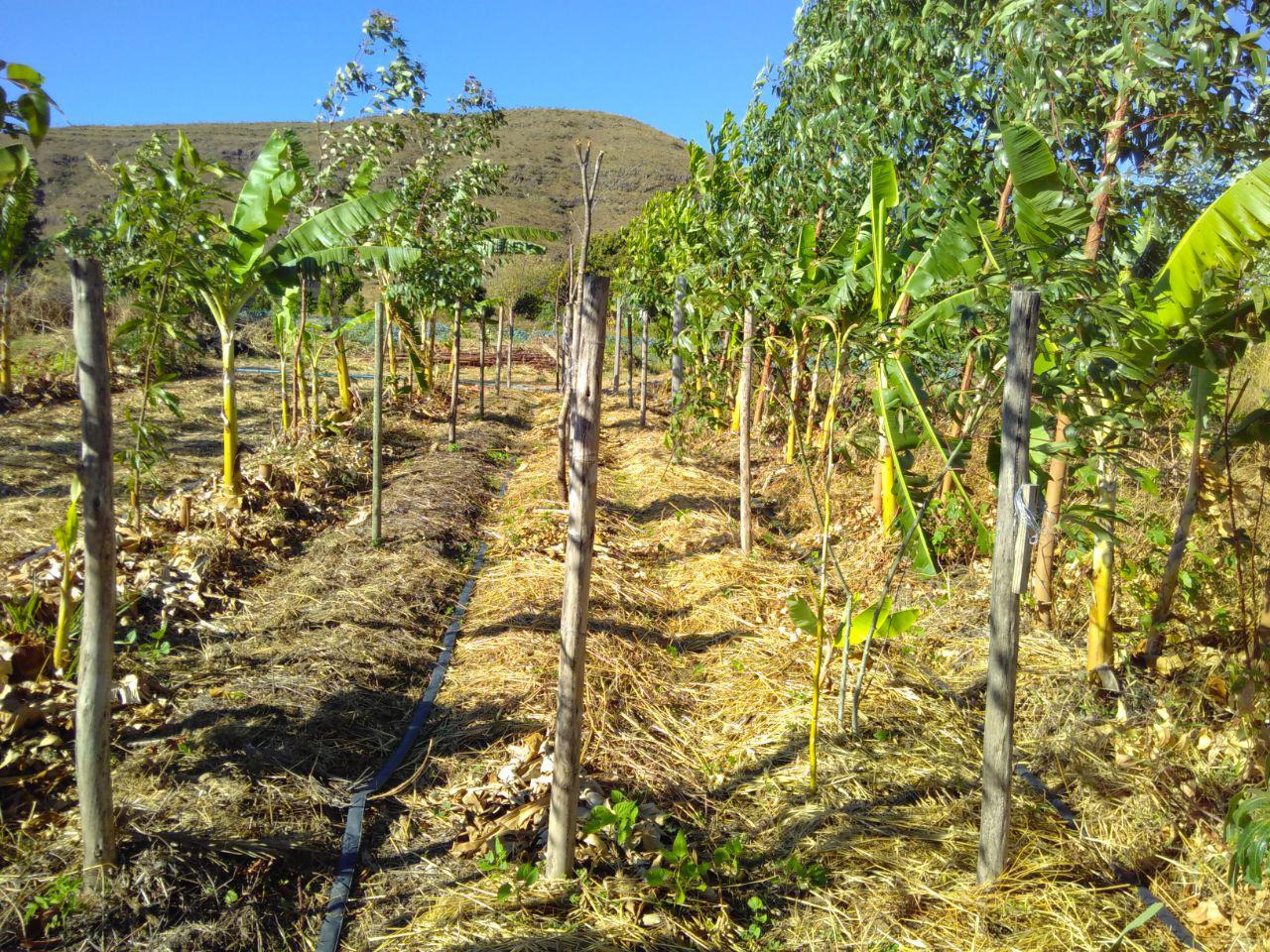
A “modulo” of Sito Florestinha agroforesty farm (Miller, 2019)

The second part of the trip in Porto Nacional (Tocantins) was the most productive. I had a backup team from COMSAUDE, a partner association of BRASA(my Brazilian partner institution), that helped me out in finding the right people to interview and the right places where to be. That week I had an information overload and interviewed 2 soy farm managers, 7 traditional family farmers and 4 farming institutions. I also managed to get in contact with the Federal University of Tocantins, attend a seminar on agrotox(alas pesticide) use in Tocantins and collaborate on some cerrado conservation projects of COMSAUDE.

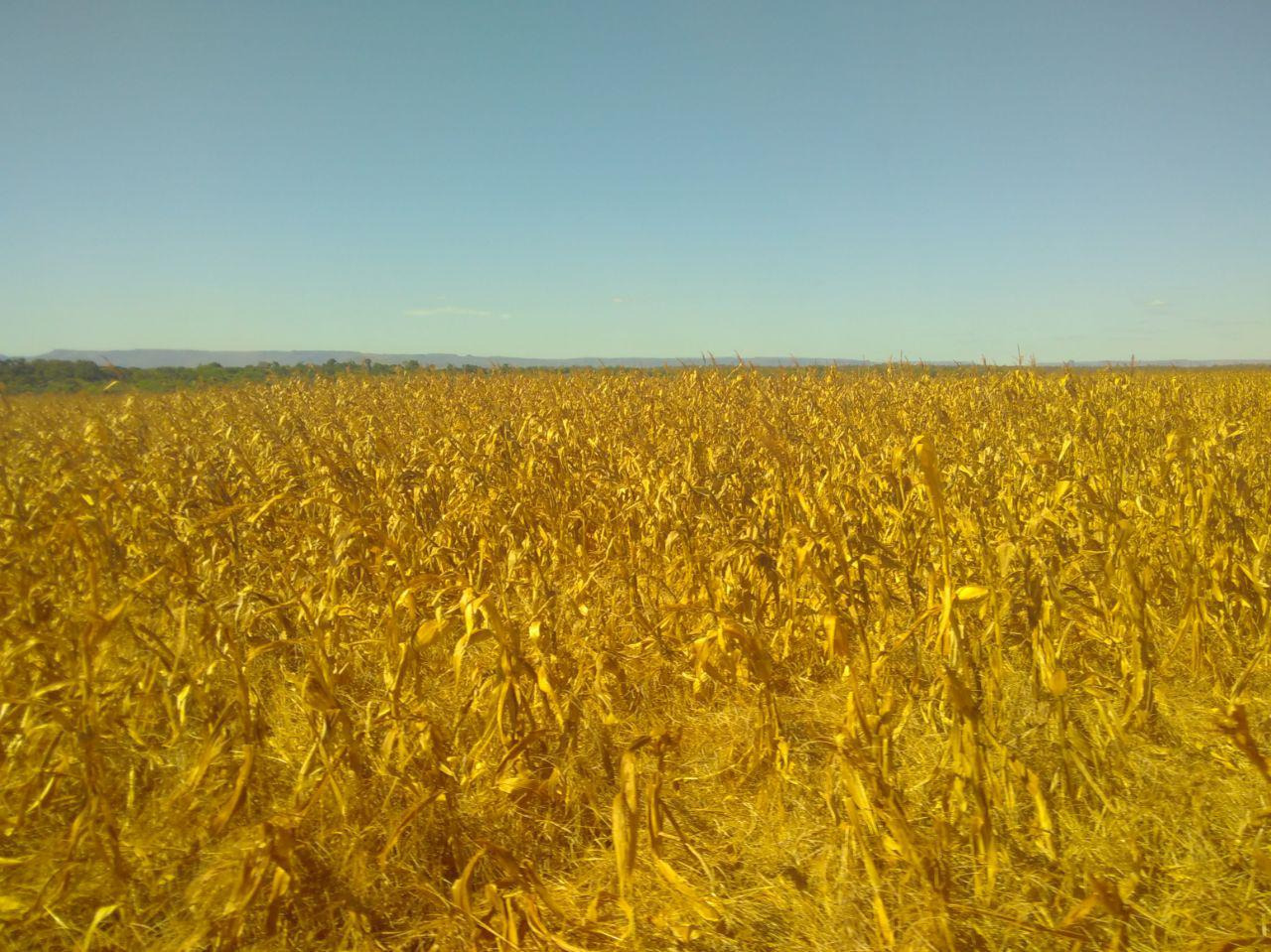
A corn monoculture in Porto Nacional (Miller, 2019)

The third part of the trip was in Goiânia (Goiás). There, I found the right balance between research work and free time. I interviewed 1 agroecology family farm, 2 agroforestry farmers, 1 soy farm manager and 1 farming institution. I also visited the Federal University of Goiás, which carries out advanced research on ecology and agriculture. I engaged with with a lot of professors, PhD and Master students.

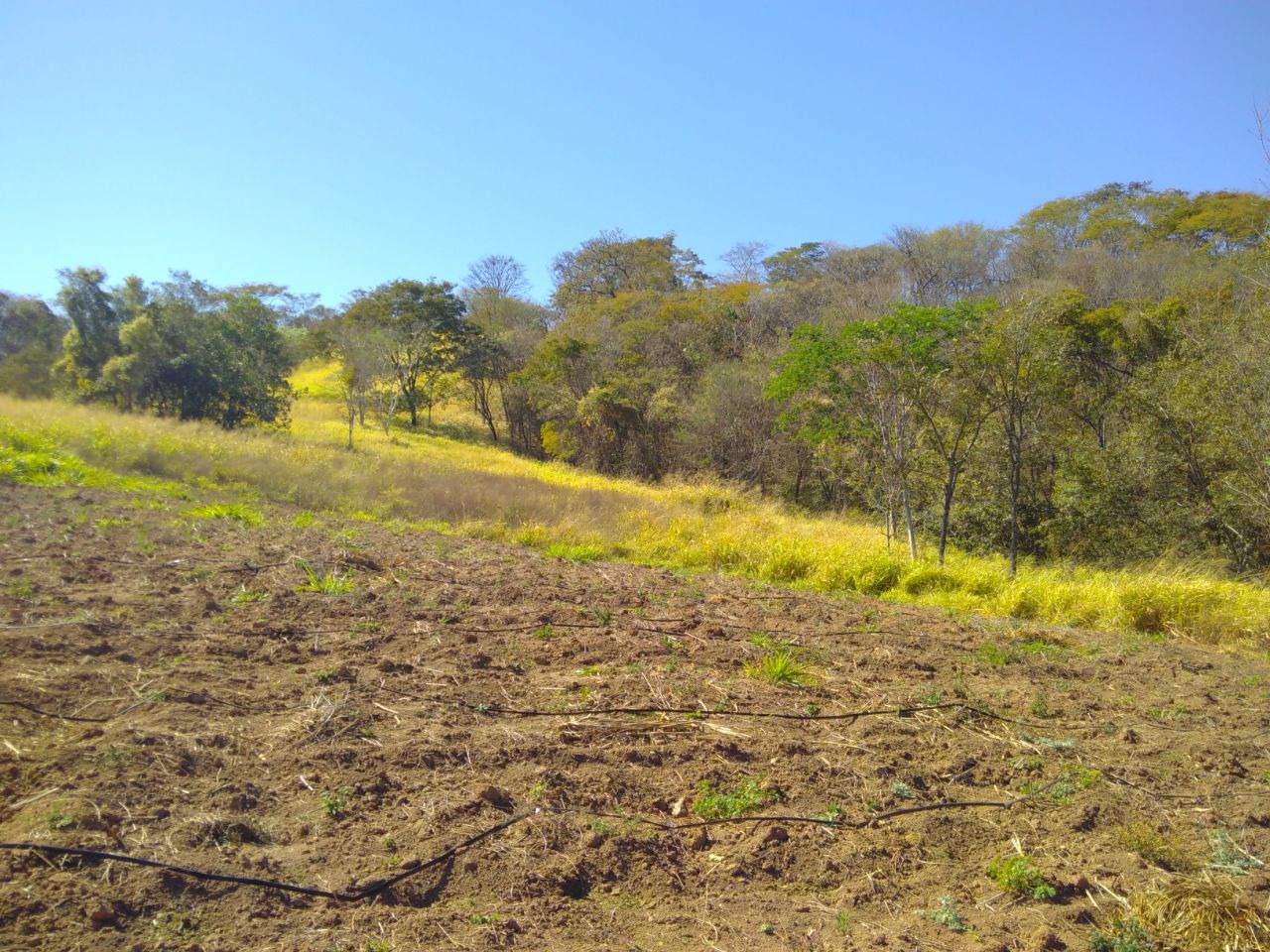
An agroecological family farm close to Goiânia (Miller, 2019)

The amount of research data I was able to collect in a relative short time, was facilitated by the
natural kindness and welcoming attitude of Brazilians. The help of locals and some basic knowledge of Portuguese were also keys factors of the success. Finally, to perform interviews and collect the data, I used investigation skills that I acquired from my intern at an environmental consultancy company in Milan.

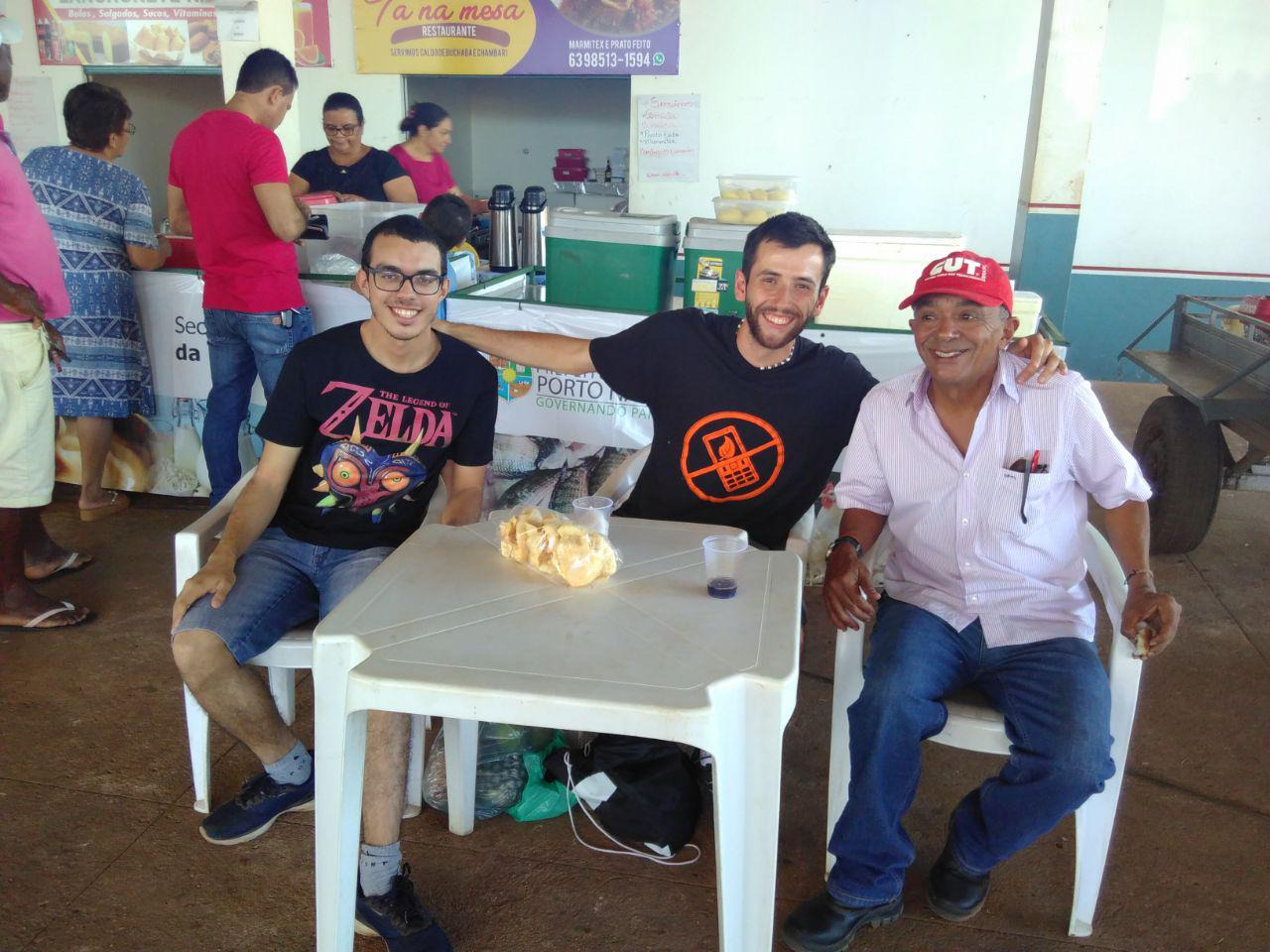
Great interview helpers in Porto Nacional (Miller, 2019)

TRAVELING

Traveling was the ever-present element of the trip. I constantly had to move by plane, car, coach, city-bus, taxi and on foot.

When I first arrived to Brasilia, my luggage – containing my working clothes and the malaria pills – didn’t arrive. I had to stay in the expensive capital for five days and deal with lots of bureaucratic struggles with the airport offices. After buying some new clothes, a Brazilian phone and a sim card, registering to the Brazilian immigration office and renting a car, I left for Alto Paraiso without my luggage. The interviews to the agroforestry farmers were calling me and there was no more time to waste.

In that first adventurous part of the trip I had to deal with a great load of frustration, difficulties and uncertainties. In these moments, however, I found the best human solidarity and the most advanced ecological innovation in agroforestry farm communities.

When I did not get stuck in traffic or lost in cities, when I didn’t take wrong highway exits or miss buses, traveling around the Brazilian farmlands and the beautiful cerrado filled me with a great sense of freedom. Cruising around, working for the environment and enjoying stunning outdoor landscapes, compensated all the tiredness of the intense research work: I was doing what I really wanted to do for my thesis. I am thankful for having had that chance.

Stuck in the traffic of Brasilia on sunset (Miller, 2019)

LANDSCAPES

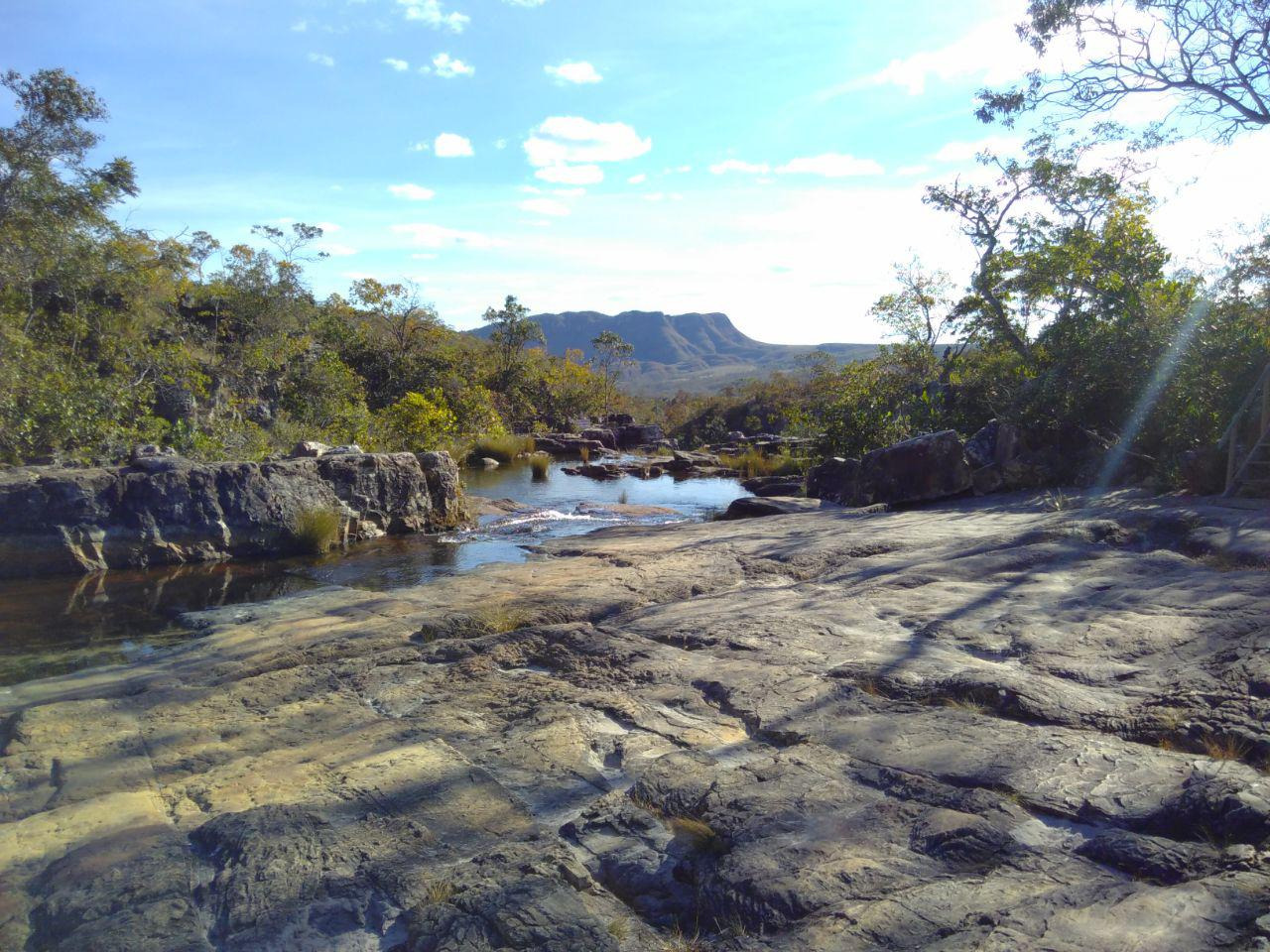
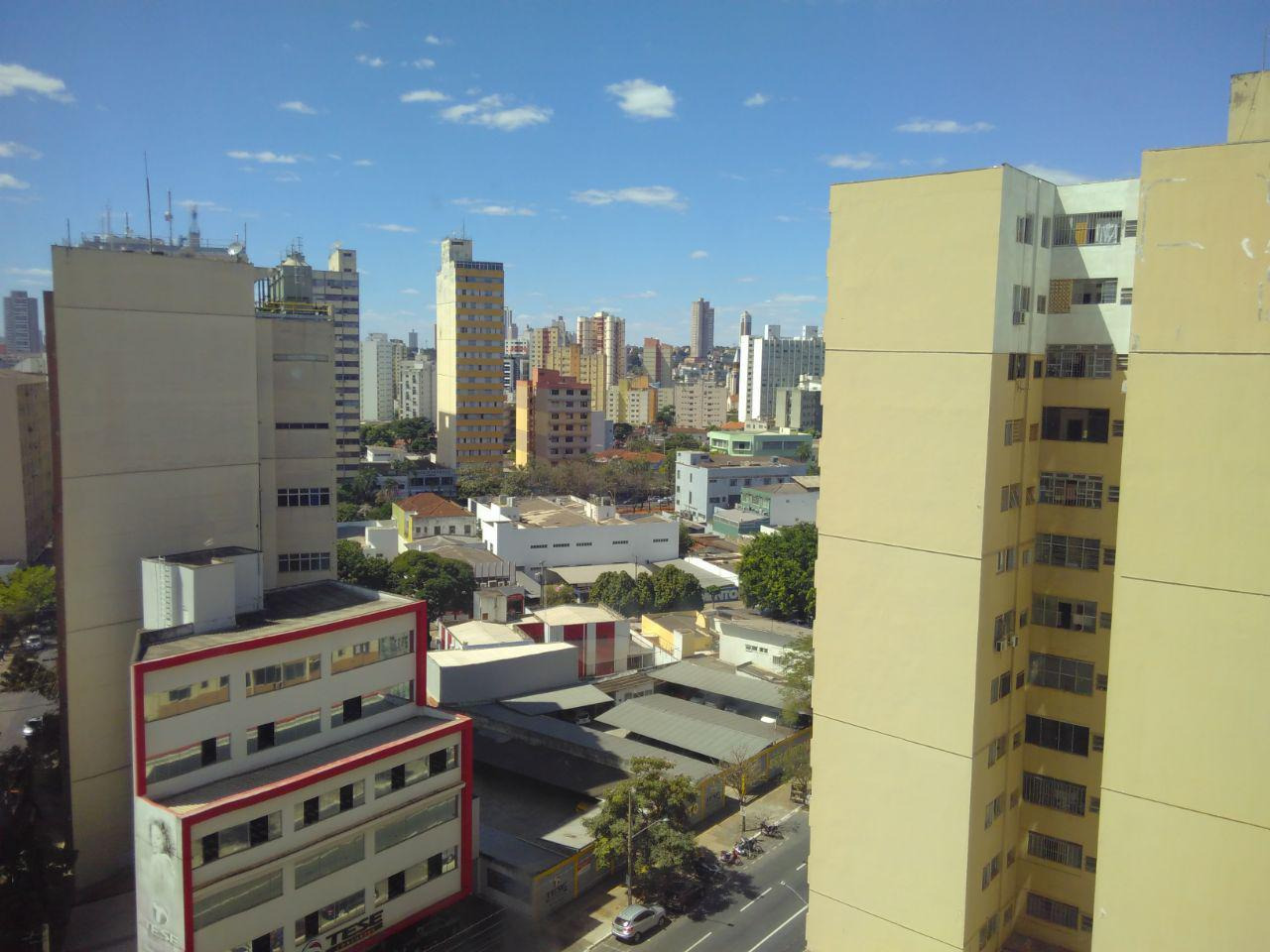
Thanks to the continuous traveling, I had the chance to see plenty different landscapes. From the over-controlled and disgustingly planned urban landscape of Brasilia to the astonishing Chapada de Veradeios nature reserve in Alto Paraiso. From the never-ending soy and corn monocultures in Porto Nacional to the pure and beautiful waterfalls of Taquarussu or Alto Paraiso. From the chaotic and urbanized city center of Goiâniato the relaxed farmlands in the outskirts and at the university campus.

All this helped me see the cerrado from different points of view and helped me grasp a general idea of what sustainable farming in such ecoregion could look like.

The cachoeiras of Vila Verde – Alto Paraíso (Miller, 2019)

PEOPLE

Besides the environmental diversity, Brazil is famous for its social diversity and sociability. The feeling that I got, is that Brazilians are welcoming,somewhat street-smart and explosive at times.

Agroforestry farmers have a strong community feeling and a sense of responsibility to change the current farming system, which is destroying the cerrado.
Traditional family farmers aresound sellers and proud workers because they believe they are the ones feeding the city. They were also very kind and open to answer my research questions. Some of them feel a sense of community with the other family farmers, others don’t. Similarly, some of them have good ecological basics, others don’t. Finally, soy farm managers belong to a very different economic system and their status also affects their personality: they are more reserved but maintain the traditional Brazilian welcoming attitude.

The urban landscape of “Babilonia” – Goiânia (Miller, 2019)

SECURITY AND SAFETY

Many people warned me to be cautious in Brazil. In some places, security could be an issue. In fact, households fenced with electric or barbed wire and security cameras everywhere give you an unpleasant feeling of insecurity. So, I paid attention to my safety when I spent many hours on the streets or in remote farms. Actually, I never ran into dangerous situations and never had the feeling of being in danger. My only preoccupation was when I interviewed an important soy farm manager in his office.

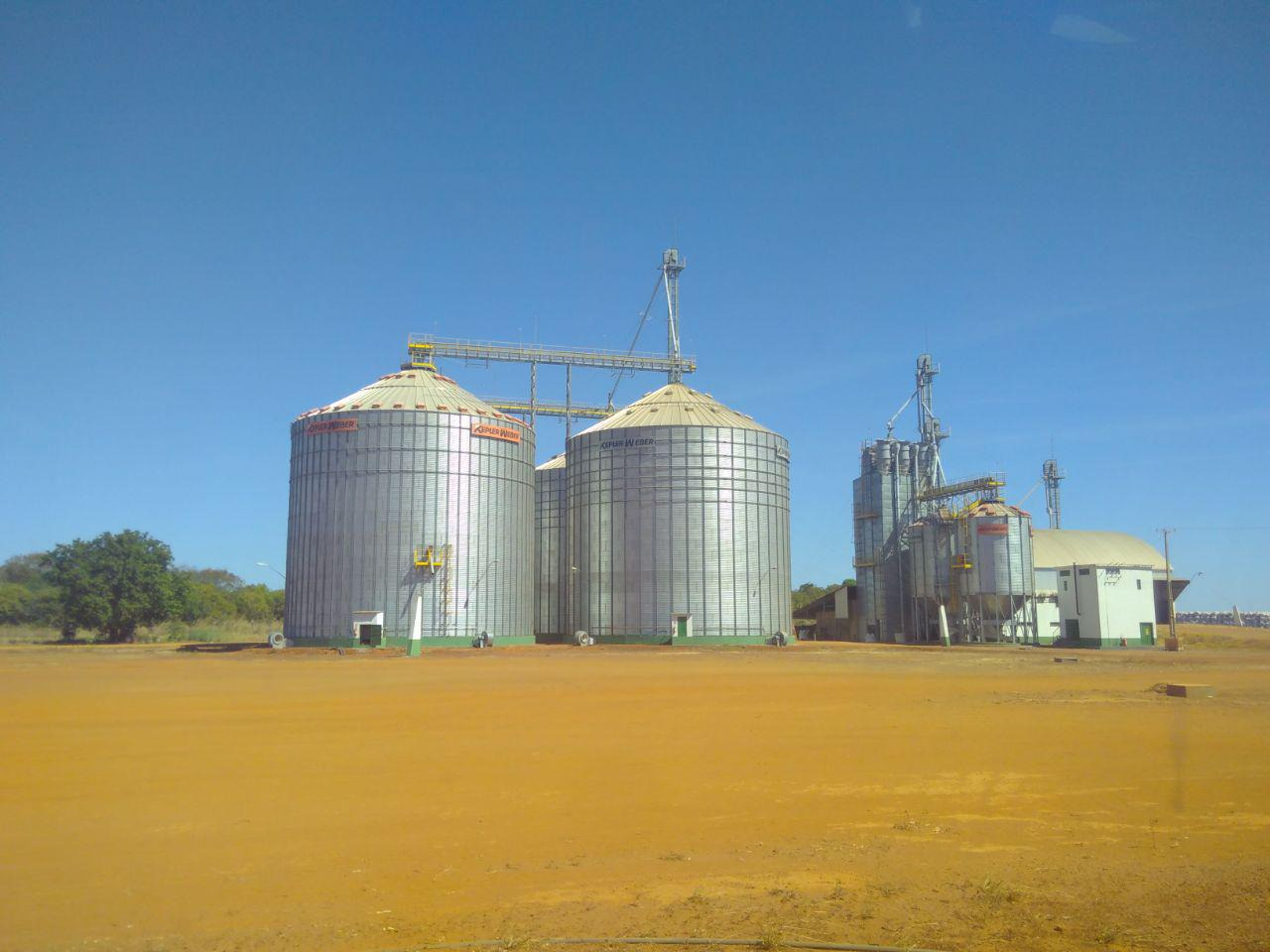
A soy farm storage plant in Porto Nacional (Miller, 2019)

CULTURE

During my little free time I had the opportunity to get to know more about the Brazilian culture.

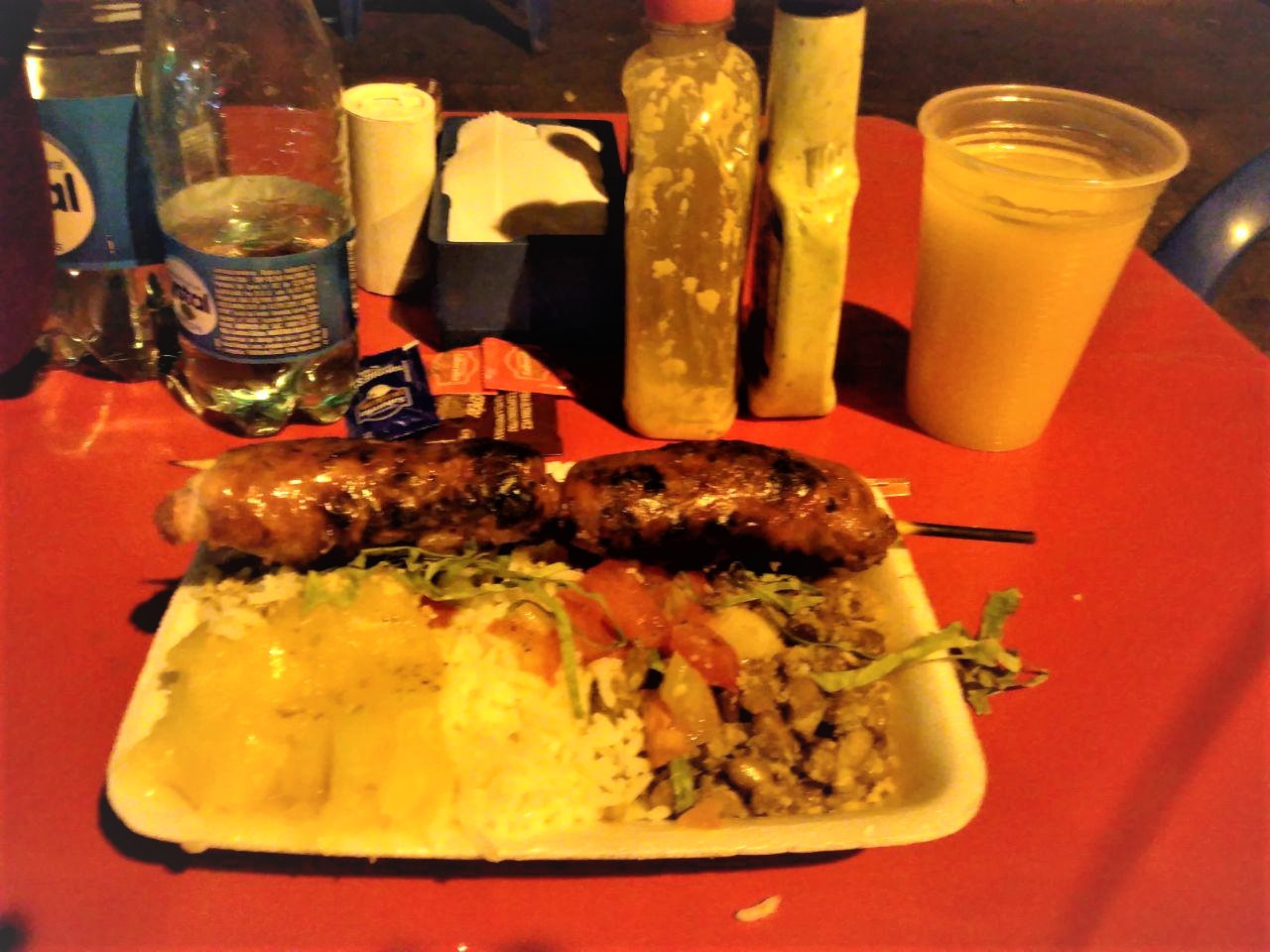
First of all, the Brazilian cuisine. I am Italian and I am used to high food quality standards, but I think Brazilian food is delicious and I fell in love with the their fruit and their prato feitos.

Second, the language. Don’t even think to go to Brazil without knowing a little bit of Portuguese. In Goiânia, I met two PhD students from Check Republic looking for new university partnerships in Brazil. Assisting to their communication exchange with the Brazilian professors and PhDs was hilarious.

Third, poverty. Although Brazil is a developed country, there still is poverty and a huge gap between poor and rich people. It’s a modern type of poverty, in which people have decent livelihoods, can afford fancy watches and the latest smartphones, but can’t go to the hospital because it’s too expensive. In general, the welfare system is behind European standards.

Delicious typical street food in Goiânia (Miller, 2019)

OVERVIEW

My research trip to Brazil has been extraordinarily adventurous, highly productive and lifetime memorable. It was my first real research study and I am extremely happy that I started in such a fashion. I don’t think I could have carried out a research study on Brazilian sustainable farming if I hadn’t included a similar field trip. I would have probably got bored and stuck at the introduction. Instead, I am now passionately motivated to write a sound, scientifically decent manuscript that can honor my research experience and all the field work hours that I spent. A manuscript that can honor the ongoing sustainability battle, the people that helped me out in the research and that believe in a more sustainable world, and those that constantly live daily struggles to farm their family farm. I wish to find the right technical and stylistic words that can communicate all this effectively. I will commit to that even when I’m bored typing on the computer or preparing the references.

A traditional dairy family farm in Porto Nacional (Miller, 2019)

THE MOST SUSTAINABLE TYPE OF FARMING FOR THE BRAZILIAN CERRADO

Well this is something I am working on. I can’t tell you now

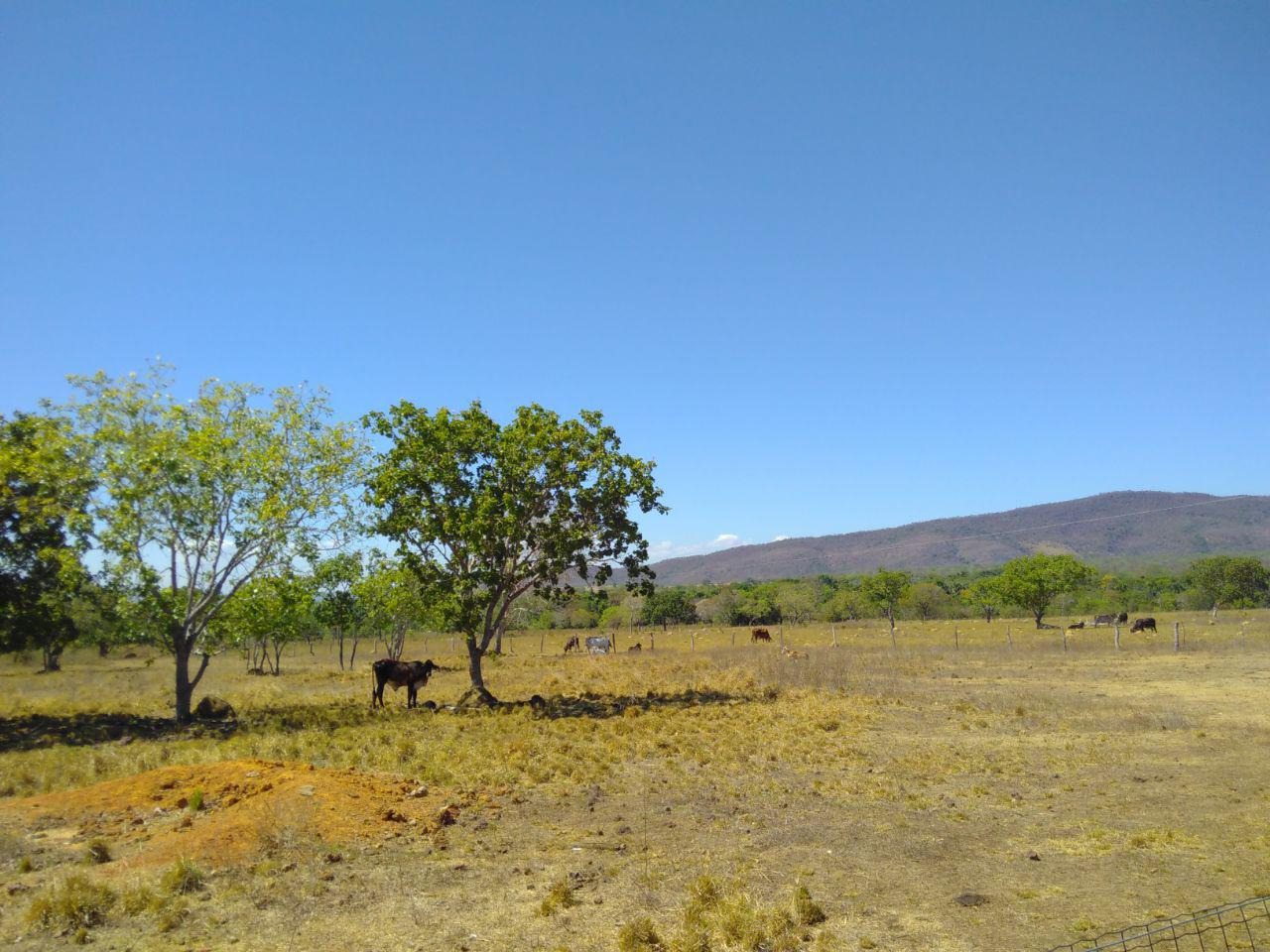
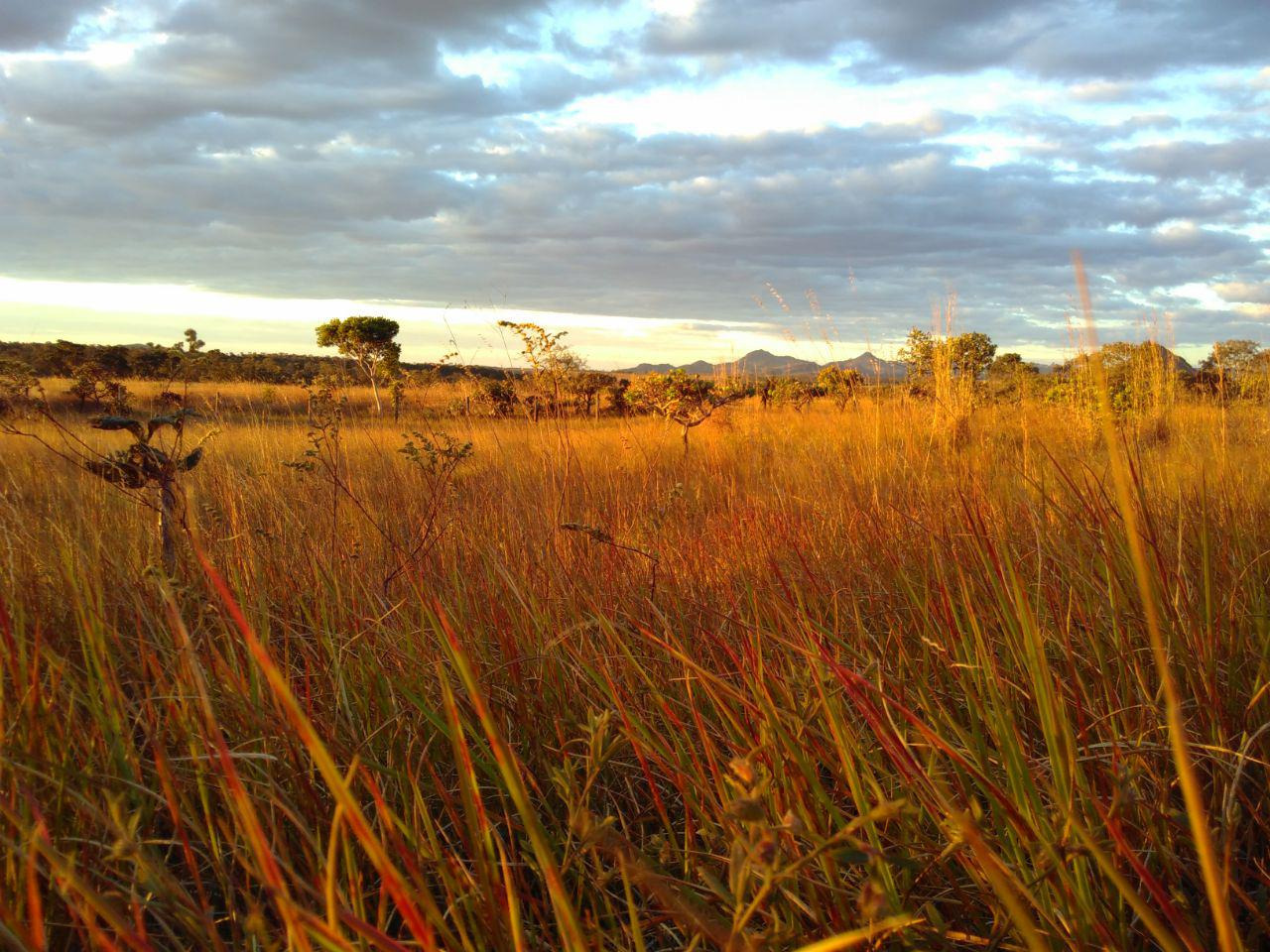
Landscape view of the beautiful cerrado: the Brazilian savannah ecoregion (Miller, 2019)

Tips to do research on foreign landscapes

1. Look at the abiotic elements
2. Analyze the biotic ones
3. Study the influence of humans
4. Enjoy the research experience, stick to your research plan and be ready to adapt it in case of unforeseen events, discover things unrelated to the research mission.
5. Have fun with the locals and your research mates. In the end, you’re not just a researcher but a beautiful human being.

Here a couple of photos of my extraordinary and lifetime-memorable university excursion in Peru.

Agroforestry In Peru And Its Potential For Ecosystem Restoration

Mark L. Miller

June 28, 2018

Last edit: July 18, 2024

Peruvian forests and their biggest threat: deforestation

Peru has a total area of 128.5M hectares divided in three main regions: a) the Coast region to the West; b) the Andean region in the center; c) the Amazon region to the East. It hosts 73.3M hectares of forests, of which 53.4M are of low jungle (selva baia) and 15.7M of high jungle (selva alta),which allow widespread forest activities. Indeed, 80.1% of the national area is covered by forests, while only 13.9% is covered by pastures and 5.9% by cultivated areas. Yet, forests contribution to the national GDP is very little (approx. 1.1%). That is because 70-90% of conceded forested areas are used by local populations for self-subsidence and because about 10M hectares of forested areas are used for illegal and untaxed activities [1] (MINAM, 2016).

The biggest threat of Peruvian forests is deforestation. Since 1995, deforestation rate has been around 100,000 ha/year in the Amazon region, which hosts 94% of the national forests, and has strongly hit the low jungle. Slash-and-burn farming, cattle farming and coca cultivation are the main reasons of deforestation, but the generic causes are deeper rooted in the Peruvian society. Poverty, overpopulation and migration in the Amazon are some of the social causes. Land use change, weak market regulation for the extraction of natural resources and the demand increase for industrial crops are some economic causes. Finally, a bad governance, including the incoherence of government [2], the lack of regional administrative bodies and poor institutional control and coordination is the third cause (MINAM, 2016). Meanwhile, the expansion of the global cocaine market, has increased Peru’s coca production, which raised from 43,900 hectares in 2016 to 49,900 hectares in 2017, and added additional pressure to Peruvian forests(United Nations, 2017).

In this scenario, agroforestry can be a potential solution to tackle deforestation, replace coca production and restore degraded land in Peru.

Agroforestry in Peru

There are multiple types of agroforestry systems in Peru and include 148 native species: 20 in the Coast region, 57 in the Andean region and 94 in the Amazon region. In the Amazon, most agroforestry species are used for timber, followed by food and multiple uses, agroecological service and medicine. In the Andes, most agroforestry species are used for multiple uses, followed by agroecological services, food, timber and medicine. In the Coast, most agroforestry species are used multiple uses, followed by agroecological services, food and medicine (Cherron-Macha et al. 2018).

Agroforestry systems in Peru

Multistrata, cacao and coffee are the most popular agroforestry systems in Peru.

A typical multistrata agroforestry system starts with a fast-growing and nitrogen-fixing fruit tree (Inga edulis)
combined with other native fruit and timber trees. During the first years, the trees are intercropped with staple crops. In subsequent years, tree-growth hinders many staple crops, so shade-resistant crops, like pineapple, are planted (Lojka, 2016).

In cacao agroforestry systems, is first planted as understory shade tolerant tree in thinned natural forests. Later, cover crops can be incorporated in the system. Best practices for a proper cultivation include adjusting light infiltration and moisture availability and reducing weed competition (PUR Project, 2015).

In coffee agroforestry system, coffee cultivations are first established under the cover of
Inga edulis. Coffee is sold and exported, while Inga edulisfruit and wood is harvested for either consumption or wood constructions. The system is generally two-layered but additional herbaceous or tree species (e.g. Ceroxylon echinulatum) can also be introduced to add biodiversity, provide fuelwood and protect the system from pests (Envolv-Vert, 2017).

A simple agroforestry farm in the Peruvian Andes. Photo taken by author (July 2019).

The environmental, social and economic benefits of agroforestry

All three types agroforestry systems provide several environmental, social and economic benefits.
Cacao agroforestry systems largely benefit the soil quality. Depending on the soil microbial structure, the agroforestry management system and the selected cover crop, they improve soil structure and texture, soil fertility, soil organic matter, soil microbial biomass and soil pH. They can suppress pathogens and weeds, reduce leaching losses of nutrients, control erosion, decrease soil acidity and compaction, reduce fertilizers inputs and pests, improve water holding capacity and nutrient cycling (Buyer et al. 2017). On the other hand, it is still unclear if it truly enhances biodiversity. It depends on the density of the cover crops (Lojka, 2016). On the socio-economic side, cacao agroforestry systems can replace coca cultivations, enhance the resilience of production systems and producers’ families and generate higher incomes for the farmers.
Coffee agroforestry systems reduce CO2 emissions of deforested areas, increase soil carbon stocks, which can be converted in carbon credits, thus attract Net Market Carbon investments. They also increase diversification of production and of potential revenue sources (e.g. FSC labelled timber, agricultural products). Following the abolition or minimal use of fertilizers and pesticides, coffee agroforestry system produce healthier food, provide education, and stimulate the engagement of local communities in environmental protection and forest management (Ferrari, 2018)

Agroforestry potential for ecosystem restoration

Agroforestry systems can restore land productivity of nutrient poor areas depleted by unsustainable agricultural practices and intensive exploitation of virgin forests. The first step is to install aggressive nitrogen-fixating species legumes (e.g. Makuna)or fruit trees (e.g. Inga edulis)to prepare the land for the future agroforestry system. At that point, full-sun or shadowed cacao or coffee agroforestry system can be installed. Alternatively, one can install an agroforestry system that includes a shadow component (e.g. banana or papaya), a main crop (e.g. cacao), a recovery crop (e.g. guava) and slow-growing timber species. In this case, not only land productivity is restored, but also nutrients and water are better retained in the soil, land is protected from erosion, carbon absorption is increased and the behavior of a real forest is mimicked (Ferrari, 2018).

Restoring forest connectivity is also possible through agroforestry, as they can function as ecological corridors between the remaining virgin forest patches. This can consequently benefit biodiversity.

Finally, agroforestry can nurse threatened Amazonian species, like mahogany. A recent study revealed that an Inga edulis-mahogany-pasturesystem is a good solution to fix nitrogen in depleted soil, restore degraded pastures and protect mahogany from predators (Fernandes et al. 2006).

Nevertheless, agroforestry solutions have issues to consider. Return on investment is slow, there are light, water, space and soil nutrients trade-offs between species to properly balance, restoration of pure stand agroforestry systems may not be possible in densely populated landscapes. One must therefore consider the option to install intercropping, bordering or clustered agroforestry systems (Erdmann, 2005). Yet, agroforestry systems are much more effective than fenced reforestations and can be considered extremely valid solutions to restore degraded ecosystems in Peru.

Family farms and agroforestry farms in the Peruvian Andes. Photo taken by author (July 2019).

References

Papers:

Buyer, J. et al. (2017). Soil microbial communities under cacao agroforestry and cover crop systems in Peru. Applied Soil Ecology. Science Direct. Vol. 120, 273-280.

Cerron-Macha, J. et al. (2018). Agroforestry species of Peru: annotated list and contribution to prioritization for genetic conservation. Working paper number 289. World Agroforestry Centre, Lima, Peru. DOI: http://dx.doi.org/10.5716/WP18029.PDF.

Erdmann, T. (2005). Agroforestry As a Tool for Restoring Forest Landscapes. Forest Restoration in Landscapes. Beyond Planting Trees (pp.274-284). DOI: 10.1007/0-387-29112-1_40.

Lojka, B. (2016). Multistrata agroforestry as an alternative to slash-and-burn farming in Peruvian Amazon.Agroforestry Research Developments, Chapter: 13, pp.383-398. ISBN-978-1-63485-094-0.

Fernandes, E. et al. (2006). Restoring Productivity to Degraded Pasture Lands in the Amazon through Agroforestry Practices. Biological Approaches to Sustainable Soil Systems. DOI: 10.1201/9781420017113.ch21.

Reports and websites:

Envolv-Vert (2017). Reforestation and agroforestry project in Peru. [online] Available at: http://envol-vert.org/en/projects/reforestation-and-agroforestry/reforestation-and-agroforestry-project-in-peru/ (Accessed 2019.06.01).

Ferrari, N. (2018) Investing in agroforestry in Peru’s Amazon: Good for the economy and the environment. Initiative 20X20. [online] Available at: https://initiative20x20.org/news/investing-agroforestry-perus-amazon-good-economy-and-environment (Accessed 2019.06.01).

MINAM (2016). La conservacion de bosques en el Peru (2011-2016). [online] Available at: http://www.minam.gob.pe/informessectoriales/wp-content/uploads/sites/112/2016/02/11-La-conservaci%C3%B3n-de-bosques-en-el-Per%C3%BA.pdf (Accessed 2019.06.01).

PUR Project (2015). Alto Huayabamba, Peru. Progress Report 2015. [online] Available at: https://www.purprojet.com/project/alto-huayabamba/ (Accessed 2019.06.01).

United Nations (2017). Coca cultivation area in Peru increased by 14 per cent during 2017.[online] Available at: https://www.unodc.org/unodc/en/frontpage/2018/December/coca-cultivation-area-in-peru-increased-by-14-per-cent-during-2017.html (Accessed 2019.06.01).

Background photo and embedded video

Background image: The Peruvian Andes landscape. Photo taken by author (July 2019).

Embedded video: PUR Project (2015). Alto Huayabamba – Agroforestry project in Peru (Eng) [online] Available at: https://www.youtube.com/watch?v=Ce4FPo3cOUIhttps://www.purprojet.com/project/alto-huayabamba/ (Accessed 2024.07.18).

Salute, ambiente e agroecologia in Tocantis, Brasile

Viaggio nell’emarginazione e nella natura del Brasile
A cura di Mauro Pisano

Il nostro viaggio, come giovani Aifo, ha fatto tappa, tra novembre e dicembre scorsi, a Porto Nacional, nel Brasile centrale, nello Stato del Tocantins, che prende il nome dal fiume che lo attraversa.

Qui ci attendeva Ibis Alan De Souza, Presidente dell’Associazione locale COMSAUDE, nata nel 1969, che con l’appoggio di BRASA (Aifo in Brasile) lavora per garantire la salute dei cittadini, gestire programmi di sviluppo socioeconomico, incentivare l’accesso all’educazione e promuovere eventi culturali per le fasce vulnerabili della popolazione.

In definitiva la COMSAUDE gestisce un programma di sviluppo comunitario molto valido e, grazie al sostegno di Aifo, in questi ultimi anni si è riusciti ad aumentare il numero di persone beneficiate. Abbiamo visitato il Centrinho, centro educativo e di recupero per bambini malnutriti della periferia di Porto Nacional, dove si è potuto constatare che la stragrande maggioranza delle mamme sono di giovane età, alcune vittime di abusi.

In seguito, grazie a Rosa, una delle coordinatrici della COMSAUDE, abbiamo conosciuto l’Escola Família Agricola (EFA), che si occupa dell’educazione dei ragazzi cresciuti in area rurale e intende valorizzare le piccole aziende agricole familiari del cerrado brasiliano, un’eco regione caratterizzata da savana, con grande biodiversità di fauna e flora.

L’EFA è composta da una struttura con aule, dormitori, mensa, uffici amministrativi e, tutto intorno, un’azienda agricola. Fondamentale è il lavoro pratico all’esterno, dove gli studenti imparano attraverso la gestione diretta di attività agricole e di allevamento. La scuola, gestita dalla COMSAUDE, permette ai giovani di rimanere legati alle loro radici culturali e fornisce gli strumenti necessari affinché possano gestire le piccole aziende agricole assieme alla famiglia di origine.

In tal modo il programma educativo promuove lo sviluppo e la sostenibilità delle aziende agricole familiari, che nell’area sono preda delle grandi multinazionali che creano le colture intensive, in genere di soia. Grazie alla collaborazione dei docenti, abbiamo partecipato anche ad un Convegno di Agroecologia, durante il quale si è parlato del cerrado, e che ci ha portato a riflettere sull’importanza dell’ambiente.

Un’altra tappa importante del nostro viaggio è stata quella a Taquaruçu, che si trova a 60 km da Porto Nacional. Presso il Centro Criatividade abbiamo incontrato il gruppo di percussionisti Tambores do Tocantins, gestito da persone della COMSAUDE molto affiatate che, coinvolgendo i giovani, intendono valorizzare e preservare la cultura musicale tradizionale. Il gruppo è diventato molto popolare negli ultimi anni ed ora è impegnato anche nella protezione del cerrado dalla distruzione provocata dalle culture intensive, anche grazie ad una recente legge che permette la creazione di riserve ecologiche. Abbiamo conosciuto la coltura intensiva spostandoci pochi chilometri da Porto Nacional, con un’escursione in una delle aziende produttrici di soia, con un’area seminata di 3.500 ettari. Ancora oggi il dott. Eduardo Manzano e sua moglie Heloisa, fondatori della COMSAUDE, con la partecipazione diretta delle fasce vulnerabili della popolazione, partecipano alle gestione dei diversi programmi. Nonostante l’età avanzata proseguono il loro lavoro, anche in difesa del cerrado, partendo dal presupposto che “La Natura equivale a salute, cibo, economia e sopratutto VITA”.

La lotta contro la monocoltura
A cura di Mark L. Miller

Ho sentito il termine “agroecologia” forse cinque volte nella mia vita, quattro delle quali durante un corso universitario. Qui in Brasile, invece, il termine è assai diffuso. Agroecologia è, in sostanza, l’applicazione dei principi ecologici all’agricoltura e si fonda sui valori della sostenibilità nonché della protezione e buona gestione degli ecosistemi naturali. A ciò si aggiungono i temi dell’agricoltura biologica e famigliare e del commercio di prodotti ecosolidali. Di fatto in Tocantins è in corso una difficile battaglia contro la distruzione del cerrado, contro la monocoltura estensiva di soia transgenica, contro il trattamento spregiudicato di agrotoxe (pesticida), contro un tipo di commercio che non favorisce l’economia locale.

Mauro ed io abbiamo avuto la fortuna di partecipare al II Encontro Tocantinense de Agroecologia a Malhadinha, in un centro sperduto in mezzo al cerrado. L’incontro di quattro giorni è stato caratterizzato da convegni, dibattiti, aule pratiche e visite didattiche agli orti biologici. Al termine è stata stesa la Carta di Malhadinha.

Il tutto, chiaramente, in tipico stile brasiliano: sedendoci collettivamente sotto enormi alberi di mango, gustando riso, feijões e carne e bevendo suco de abacaxi in bicchieri di canna di bambù. Di sera, si tirano fuori i tambores e i cembali e si inizia a far musica e a cantare. Con le note di “Marilia Mendonça” anche noi abbiamo iniziato a ballare forrò. Non si va a dormire presto, qui in mezzo al cerrado la notte è lunga.

Telegram: @greenmarked
LinkedIn: @greenmarked
Instagram: @greenmarked.it

Facebook:  @greenmarked.it


© GreenMarked.it is managed by ECONTROVERTIA APS — Via Alcide De Gasperi 1, 38015 Lavis (TN), Italy — VAT IT02667560227