During the last two years food insecurity levels have severely increased in Brazil. According to the second National Survey of Food Insecurity in the Context of the Covid-19 Pandemic in Brazil, conducted by the PENSSAN Research Network, 33.1 million Brazilians do not have sufficient food supplies. Compared to 2021, that means that an additional 14 million people suffer from severe food insecurity [1].
The escalation of hunger in the country started in 2018, but it was awfully aggravated during the pandemic. Since then, the wave of high unemployment rates imposed by the pandemic together with precariousness of work, loss of social rights and reduced purchasing power put many Brazilian lives at stake [1].
This situation was Brazil’s normality in the 80s but an outrageous reality today. Food distribution initiatives were raised all over the country by agroecological farmerslike Ana Bovoy. Holding a Bachelor’s in environmental engineer and as a future Master’s in Forest Restoration, Ana was one of the many Brazilians behind the distribution of food supplies to families in need in the state of São Paulo.
Ana, how can agroecology and agroforestry help provide food security in Brazil?
“During the pandemic, farmers of the Brazilian Landless Workers Movement (“MST”) were unable to sell their products and there were many people in a condition of food vulnerability. Together with the Agroforestry Network of Ribeirão Preto we therefore created a campaign called Agroecological Food for All. Through this campaign, we raised money from civil society, purchased agroecological products from MST communities and donated them to people who were starving. This showed us the great potential of agroforests. First, they provide food security for the farmers. Second, they are a form of (self-)sustainable production method that respects the environment. And third, their production is abundant. All this was directly reflected in the campaign. Although we had bought a certain amount of food supplies, the farmers donated much more. In total, we donated 85 tons of agroforestry foodstuff over a year. Our campaign ended after the third distribution round but others, like the Marmita Solidária initiative in Recife, are still running”.
Fig. 1:Left: Part of the food collected in the “Alimentos agroecológicos para todos” campaign. Right: People in line waiting for their food donation package (Ana Bovoy, 2021).
Ana fell in love with agroforestry during her bachelor’s after taking a course with Manfred Müller, one of Ernst Götsch’ apprentices. After her studies, she used her savings to travel around Brazil as a volunteer in agroforestry farms to learn how to create an agroforest and how to live from it. Nowadays she assists in the implementation of agroforestry systems (“AFS”) in Brazilian farms and holds bee keeping course to integrate stingless bees in agroforestry systems.
What are the biggest challenges of agroforestry in Brazil?
“One of the biggest challenges of agroforestry is knowledge. We are talking about an agricultural method made through processes and this involves a lot of studying. We still know very little about the plants in Brazil and how to intercrop them. In addition, there is a need to make it viable on a large scale and for that, the development of specific agroforestry machinery. This is currently taking place and in my point of view it is of fundamental importance for the environmental recovery and farming substantiality in Brazil.”
Fig. 2: Left: Ana thinning an agroforestry system in Brazil (Ana Bovoy, 2021). Right: Ana teaching a course on bee keeping (Escola de Meliponicultura, Brazil).
What is the best way to start an agroforestry system?
“The best way to start is through an AFS vegetable garden because we are going to cultivate short-cycle species.Therefore, we can learn faster. For example, to make a vegetable patch we can combine plants with different life cycles in the same space: arugula (45 days), lettuce (60 days), cabbage (90 days) and corn (120 days). In four months, we already have the first experiences of what it is like to make a plant consortium and succession. After that, it is all about study and dedication. Nature teaches us and we learn from it.”
At the beginning of 2021, Rabobank officially announced its online marketplace for carbon trading: the Rabo Carbon Bank (“RCB”). Using remote sensing, artificial intelligence, and machine learning, RCB aims to create a globally scalable and transparent solution for climate change while empowering local smallholder farmers, thus building on Rabobank’s origins as a farmers’ bank [1].
RCB’s key proposition “Acorn” explicitly focuses on helping smallholders in developing countries in the global south. Using the knowledge of business partners and interviewing experts and around 50 smallholders, Acorn learned that many problems of smallholders relate to land degradation and deforestation [2].
By leveraging Microsoft’s technical expertise in remote sensing, artificial intelligence, and machine learning, RCB aims to create a globally scalable and transparent solution for climate change while empowering local smallholders [1]. RCB’s key proposition “Acorn” explicitly focuses on helping small producers in Africa. Using the knowledge of business partners and interviewing experts and around 50 smallholders, RCB learned that many problems of smallholders relate to land degradation and deforestation [2].
According to RCB, regenerative farming – particularly agroforestry in the case of smallholders – is crucial in tackling degraded soil issues and low rainfall rates. Acorn’s landscape approach to agroforestry plots can strengthen healthy microclimates, as trees and cover crops protect the soil from degradation and increase regional rainfall rates. The carbon sequestrated through these trees and cover crops can be traded as carbon credits. Microsoft was the first to buy Acorn’s high-quality carbon credits [2].
Acorn was created with the aim of “giving small farmers access to the carbon credit market”, said Strategy Lead Emma van de Ven. In an interview, Ms Van de Ven stressed that “small farmers are the most affected by climate change. However, the money from the carbon credit market usually goes to big project developers because they can be certified and be able to quantify, for example, how much carbon dioxide can be stored” [2].
Fig. 1: Old-growth agroforestry row at Sitio Semente (Brasilia, Brazil).
Acorn will bring together the demand of international corporates who want to offset their residual carbon emissions and the supply of smallholders who have captured atmospheric CO₂ through their agroforestry plots and converted it into carbon credits. Acorn’s objective is to offset 0.5 per cent of global CO₂ emissions released annually by 2025. To reach this target, about four billion trees must be planted by approximately 15 million smallholders worldwide [3].
Acorn’s ability to scale up its operations depends on finding a fair business deal with farmers. It is also contingent on the degree of innovation required for reliable and cost-effective monitoring. Understanding whether the smallholder is genuinely interested in such a revised income model has been proved to be a critical step for potential scale-up.
To define the project requirements, the farmers’ needs, and a valuable collaboration offer for farmers, Acorn has been running ten pilot projects worldwide. Acorn proved its ability to remotely sense, clarify, and sell carbon credits through these projects. It also found high interest in smallholders who want to participate and multinationals who want to invest in the project [2].
This article derives from the Master thesis “A Case Study on the Rabo Carbon Bank using the ‘Quintuple Helix’ innovation model”, as part of the Master’s Degree “Sustainability Science, Policy & Society” at Maastricht University, the Netherlands. The case study was based on an extensive literature review and thirteen in-depth semi-structured interviews. For questions or requesting the full report, please reach out toe.hoekstra@maastrichtuniversity.nl
In Venezuela the Andean Cordillera crosses the entire western part of the country, from the border with Colombia to the Caribbean Sea.
Ranging from sea level to five thousand meters, the mountains of this region are considered the most diverse of all Venezuela, offering an incredible variety of geographical features.
The village of Torondoy, located in the Andean region “Merida”, has ideal climate and soil conditions to support local agriculture and ecological farming.
The project
Unlike other production areas, many coffee farms in the Andes are small and managed by local families. Coffee farming has contributed to the local economy for many years. However, recent economic, social and environmental factors have decreased the income and life quality of coffee farmers. This has led to farm abandonment, land use change and deforestation, which add up to the existing social problems such as forced migration in search for better opportunities.
This project seeks to establish a pilot agroforestry farm as sustainable alternative to the decaying traditional family farming. Furtherly, it aims to create a training space that motivates local producers to diversify their production. By providing training and technical tools to adopt on their farms, the project will help them develop sustainable production models, add value to their farms and incorporate forest ecosystem services.
The project will address both production, training and tourism goals.
Agroecological production and training:
Recover coffee farming by alternating organic coffee trees with banana trees and native forest species
Develop organic horticulture for self-consumption
Produce medicinal and aromatic plants
Extract essential oils
Grow native forest species to use in reforestation programs
Develop wastewater treatment plants and biofilters
Process coffee beans, bananas and dairy products to add value to the production.
Ecotourism
Implement birdwatching activities in the local coffee farms
Open nature trails to study the ecosystem dynamics in the ecological corridors created by the coffee farms
Promote the study of ancestral knowledge and traditional crafts as a cultural attraction for conscious tourism.
How to design an Agroforestry System
First, study nature!
Observe the environmental features of the study area. Connect and interact with the landscape and read its indicators.
Understand which are the species that dominate the different successional stages, the space they occupy and the spatial arrangements of the local ecosystem. Plan an increase of biodiversity by introducing more species, and using species adapted to the place. The more diverse and complex the species range is, the more resilient the agroforestry system will be [2][3].
Consider the diversity, structure and function of the original natural ecosystems to create a similar model.
Study all the rest
Besides the original floral composition, understand the local needs, the socioeconomic conditions and the cultural values that the population gives to natural resources
Understand the economic conditions and needs of the farm.
Apply the system following nature
Use the dynamics of natural succession as a tool to guide agricultural production
Create a heterogenous lot of diverse crops
Establish patterns that reflect the natural processes of your local ecosystem.
Techniques and steps to implement an AFS
To increase local economic security and a better use of natural resources, the following agroforestry innovations and technologies can been applied on coffee-farms, pastures, cornfields and traditional family farms:
Live border fences and shade trees on pastures
Green fertilizer corridors and trees for the protection of water bodies
On-farm integration of native species, intercropping (fruit trees and banana trees) and alley cropping (vegetables)
Inclusion of medicinal and aromatic plants.
After the initial soil cleaning and conditioning treatments, leguminous plants that will later serve as green fertilizers must be sowed. The suitable species are Gliricidia sepium and Leucaena leucocephala. They can fix nitrogen and control weeds at the same time. The selected crop species are then sowed by direct seed sowing or transplanting. The regeneration of native species within the property must also be managed.
Thinning is extremely important. It energizes the system and helps speeding up the carbon cycle because it incorporates organic matter into the soil. The processes of natural succession must be accelerated through the rejuvenation and elimination of plants that have already fulfilled their function.
Preserving the local knowledge of the farmer and his traditional practices is also crucial. For example, conserving those practices marked by the lunar cycles and rain and drought periods. Such practices must be integrated with agroecological knowledge and applied in the farm [3][5].
Scope of the Project
This project seeks to restore those Venezuelan Andean ecosystems that have suffered from severe soil erosion, degradation, forest loss and landscape change because of bad farming practices and the expansion of the agricultural frontier. This Pilot Agroforestry Farm will contribute to mitigate the increase of greenhouse gases (GHG). Furthermore, it will strive to set up a new eco-village or farming community that will tackle the current economic crisis affecting Venezuela. It will fight to hinder the dependence of the local population to external resources and the migration of young people to other regions. This will be done by showing them economically and environmentally viable alternatives for local rural development.
To fundraise the project, click on the link below.
Some of you know that I’ve been to Brazil to work on my Master’s thesis. Here’s a brief research trip overview. Enjoy it!
RESEARCH EXPERIENCE
The first part of the research trip took place in Alto Paraiso (Goiás). For sure, it was the most adventurous time of the trip. Coming from Peru, after 10 days of interdisciplinary university excursion where everything was planned and organized for me, the start in Brazil was rough.
Nevertheless, I was able to interview 3 agroforestry farmers and get a deep insight into the life of an agroforestry farm: I stayed four nights at Sito Florestinha agroforestry farm. My contact, Dax, helped me out a lot and directed me to different places that could contribute to my thesis.
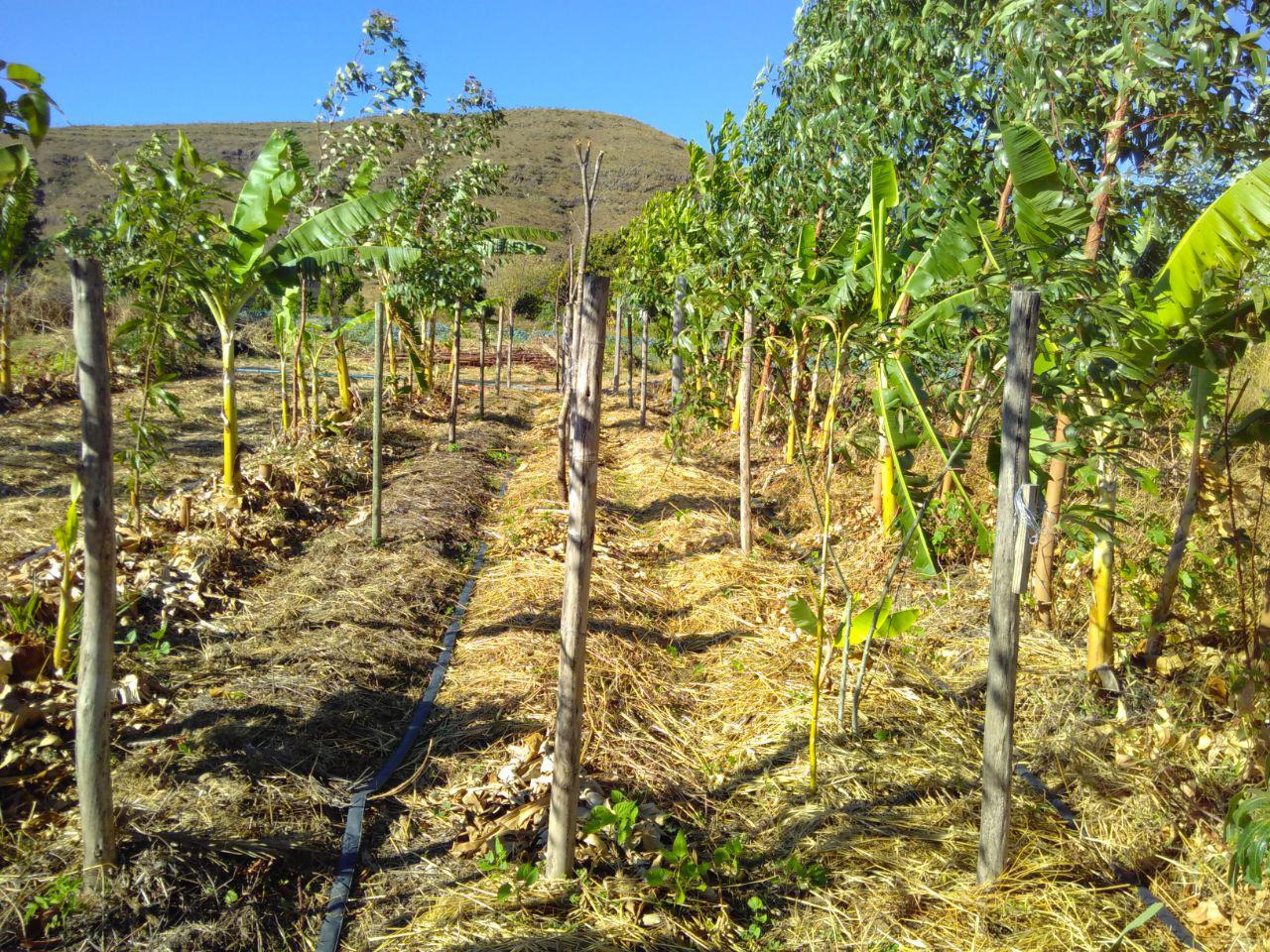
A “modulo” of Sito Florestinha agroforesty farm (Miller, 2019)
The second part of the trip in Porto Nacional (Tocantins) was the most productive. I had a backup team from COMSAUDE, a partner association of BRASA(my Brazilian partner institution), that helped me out in finding the right people to interview and the right places where to be. That week I had an information overload and interviewed 2 soy farm managers, 7 traditional family farmers and 4 farming institutions. I also managed to get in contact with the Federal University of Tocantins, attend a seminar on agrotox(alas pesticide) use in Tocantins and collaborate on some cerrado conservation projects of COMSAUDE.
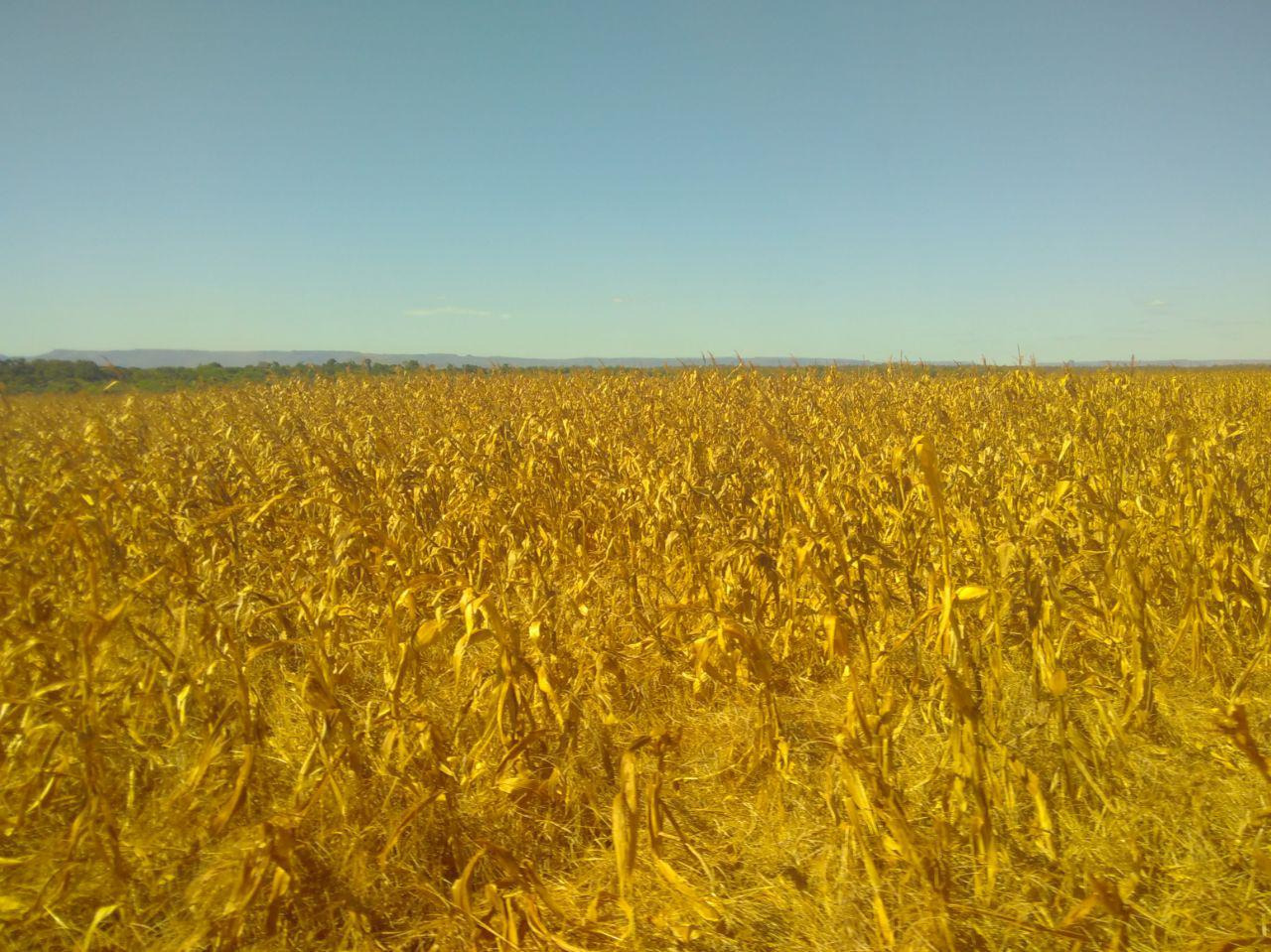
A corn monoculture in Porto Nacional (Miller, 2019)
The third part of the trip was in Goiânia (Goiás). There, I found the right balance between research work and free time. I interviewed 1 agroecology family farm, 2 agroforestry farmers, 1 soy farm manager and 1 farming institution. I also visited the Federal University of Goiás, which carries out advanced research on ecology and agriculture. I engaged with with a lot of professors, PhD and Master students.
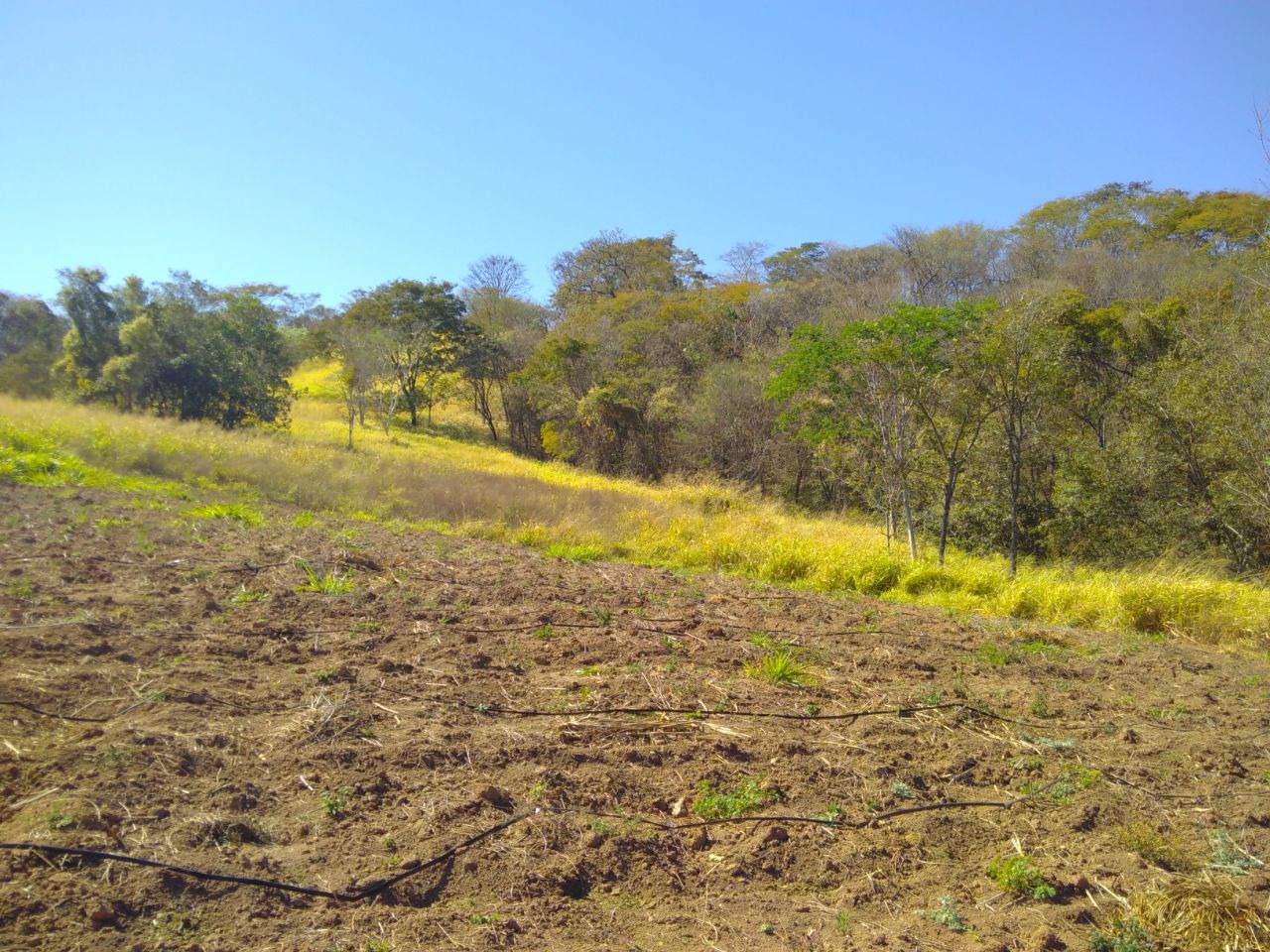
An agroecological family farm close to Goiânia (Miller, 2019)
The amount of research data I was able to collect in a relative short time, was facilitated by the natural kindness and welcoming attitude of Brazilians. The help of locals and some basic knowledge of Portuguese were also keys factors of the success. Finally, to perform interviews and collect the data, I used investigation skills that I acquired from my intern at an environmental consultancy company in Milan.
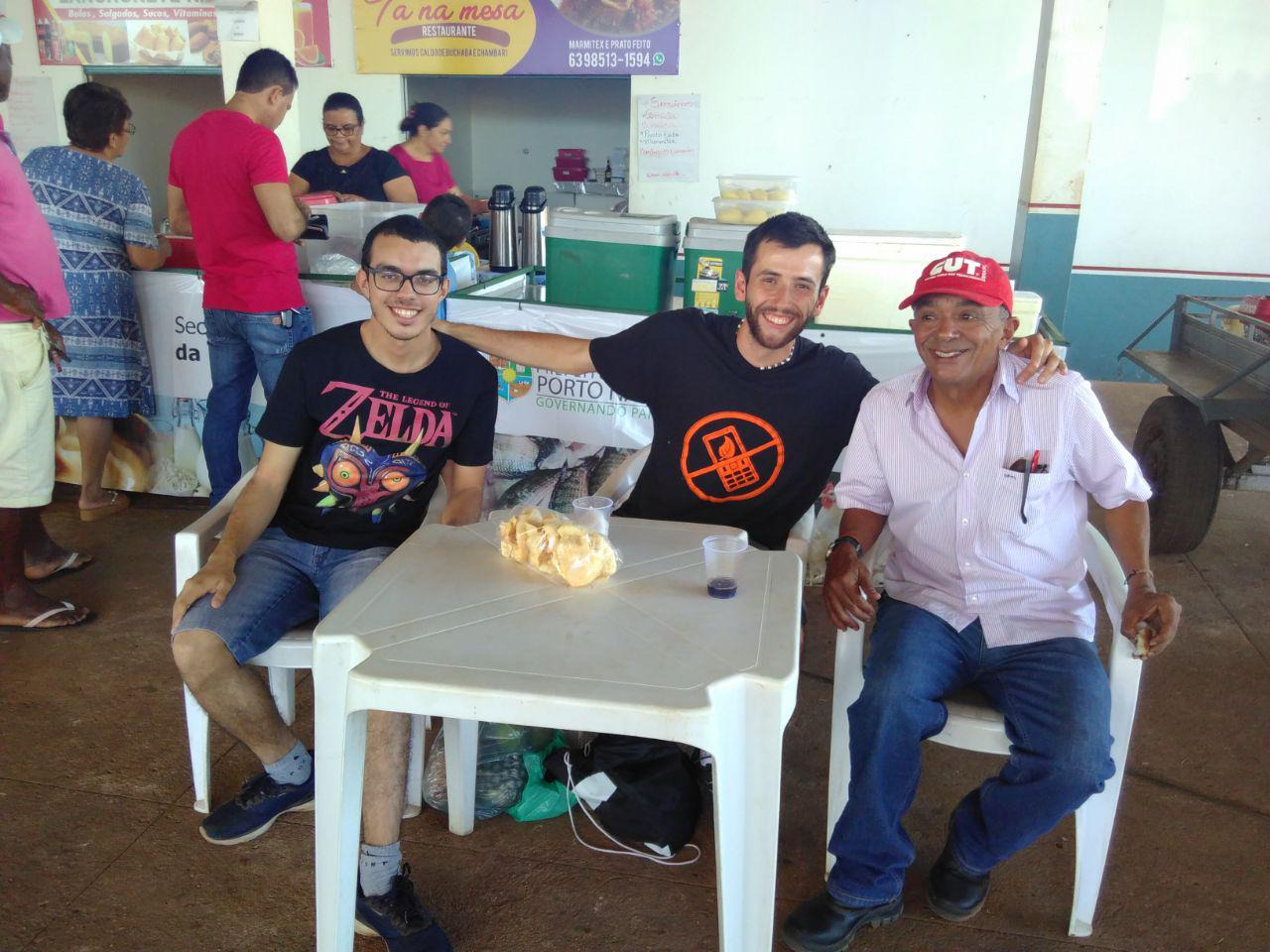
Great interview helpers in Porto Nacional (Miller, 2019)
TRAVELING
Traveling was the ever-present element of the trip. I constantly had to move by plane, car, coach, city-bus, taxi and on foot.
When I first arrived to Brasilia, my luggage – containing my working clothes and the malaria pills – didn’t arrive. I had to stay in the expensive capital for five days and deal with lots of bureaucratic struggles with the airport offices. After buying some new clothes, a Brazilian phone and a sim card, registering to the Brazilian immigration office and renting a car, I left for Alto Paraiso without my luggage. The interviews to the agroforestry farmers were calling me and there was no more time to waste.
In that first adventurous part of the trip I had to deal with a great load of frustration, difficulties and uncertainties. In these moments, however, I found the best human solidarity and the most advanced ecological innovation in agroforestry farm communities.
When I did not get stuck in traffic or lost in cities, when I didn’t take wrong highway exits or miss buses, traveling around the Brazilian farmlands and the beautiful cerrado filled me with a great sense of freedom. Cruising around, working for the environment and enjoying stunning outdoor landscapes, compensated all the tiredness of the intense research work: I was doing what I really wanted to do for my thesis. I am thankful for having had that chance.
Stuck in the traffic of Brasilia on sunset (Miller, 2019)
LANDSCAPES
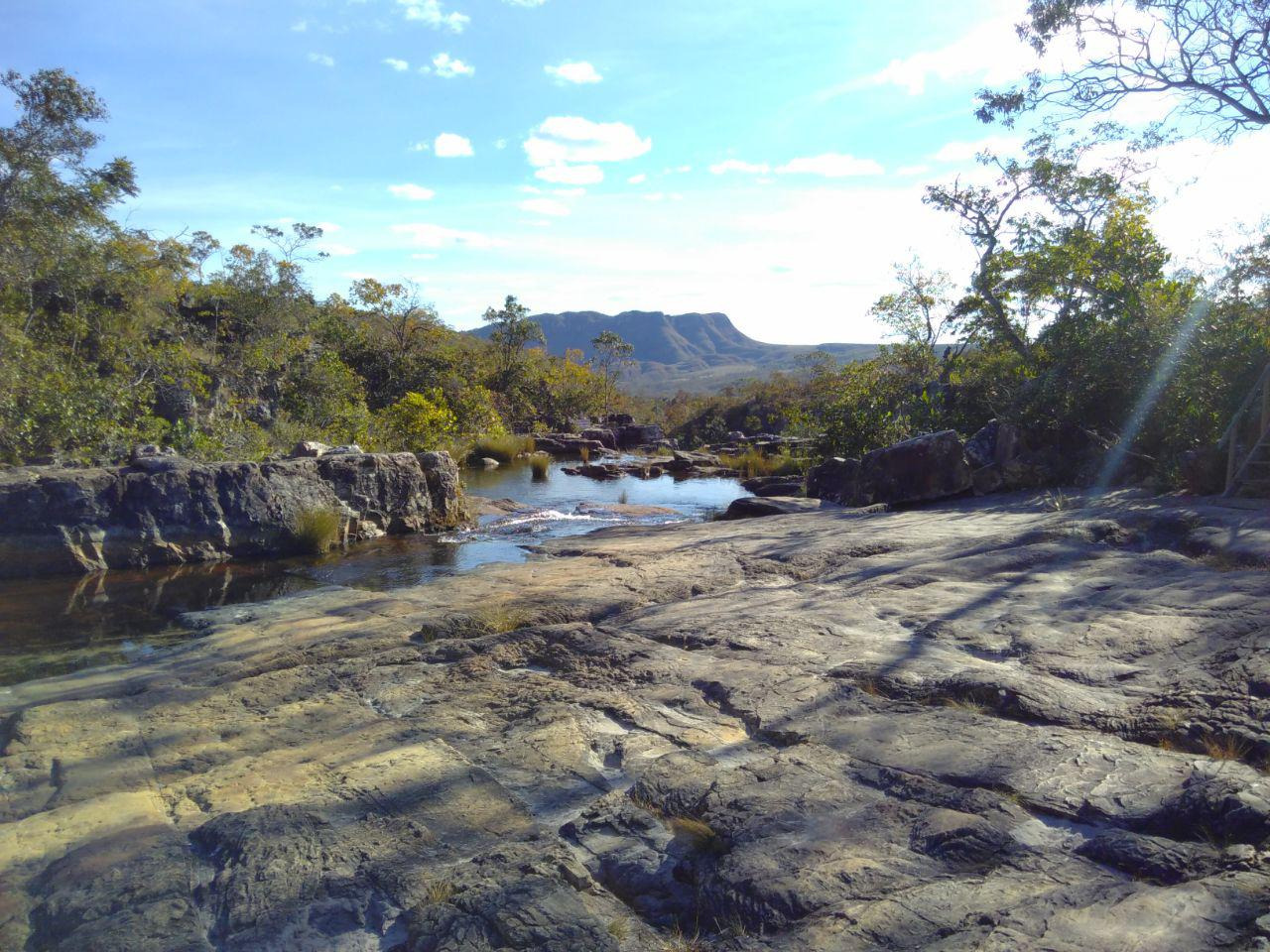
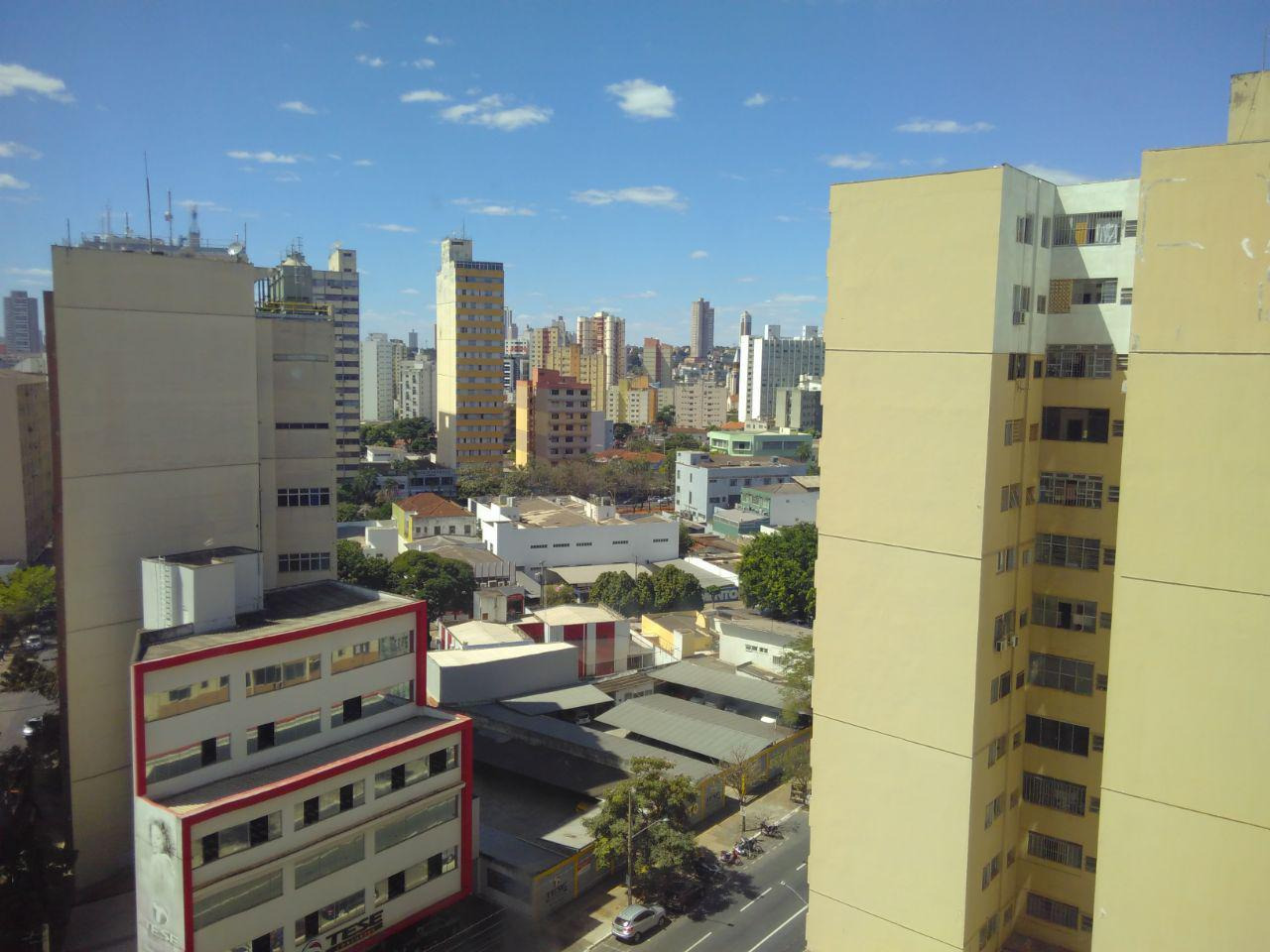
Thanks to the continuous traveling, I had the chance to see plenty different landscapes. From the over-controlled and disgustingly planned urban landscape of Brasilia to the astonishing Chapada de Veradeios nature reserve in Alto Paraiso. From the never-ending soy and corn monocultures in Porto Nacional to the pure and beautiful waterfalls of Taquarussu or Alto Paraiso. From the chaotic and urbanized city center of Goiâniato the relaxed farmlands in the outskirts and at the university campus.
All this helped me see the cerrado from different points of view and helped me grasp a general idea of what sustainable farming in such ecoregion could look like.
The cachoeiras of Vila Verde – Alto Paraíso (Miller, 2019)
PEOPLE
Besides the environmental diversity, Brazil is famous for its social diversity and sociability. The feeling that I got, is that Brazilians are welcoming,somewhat street-smart and explosive at times.
Agroforestry farmers have a strong community feeling and a sense of responsibility to change the current farming system, which is destroying the cerrado. Traditional family farmers aresound sellers and proud workers because they believe they are the ones feeding the city. They were also very kind and open to answer my research questions. Some of them feel a sense of community with the other family farmers, others don’t. Similarly, some of them have good ecological basics, others don’t. Finally, soy farm managers belong to a very different economic system and their status also affects their personality: they are more reserved but maintain the traditional Brazilian welcoming attitude.
The urban landscape of “Babilonia” – Goiânia (Miller, 2019)
SECURITY AND SAFETY
Many people warned me to be cautious in Brazil. In some places, security could be an issue. In fact, households fenced with electric or barbed wire and security cameras everywhere give you an unpleasant feeling of insecurity. So, I paid attention to my safety when I spent many hours on the streets or in remote farms. Actually, I never ran into dangerous situations and never had the feeling of being in danger. My only preoccupation was when I interviewed an important soy farm manager in his office.
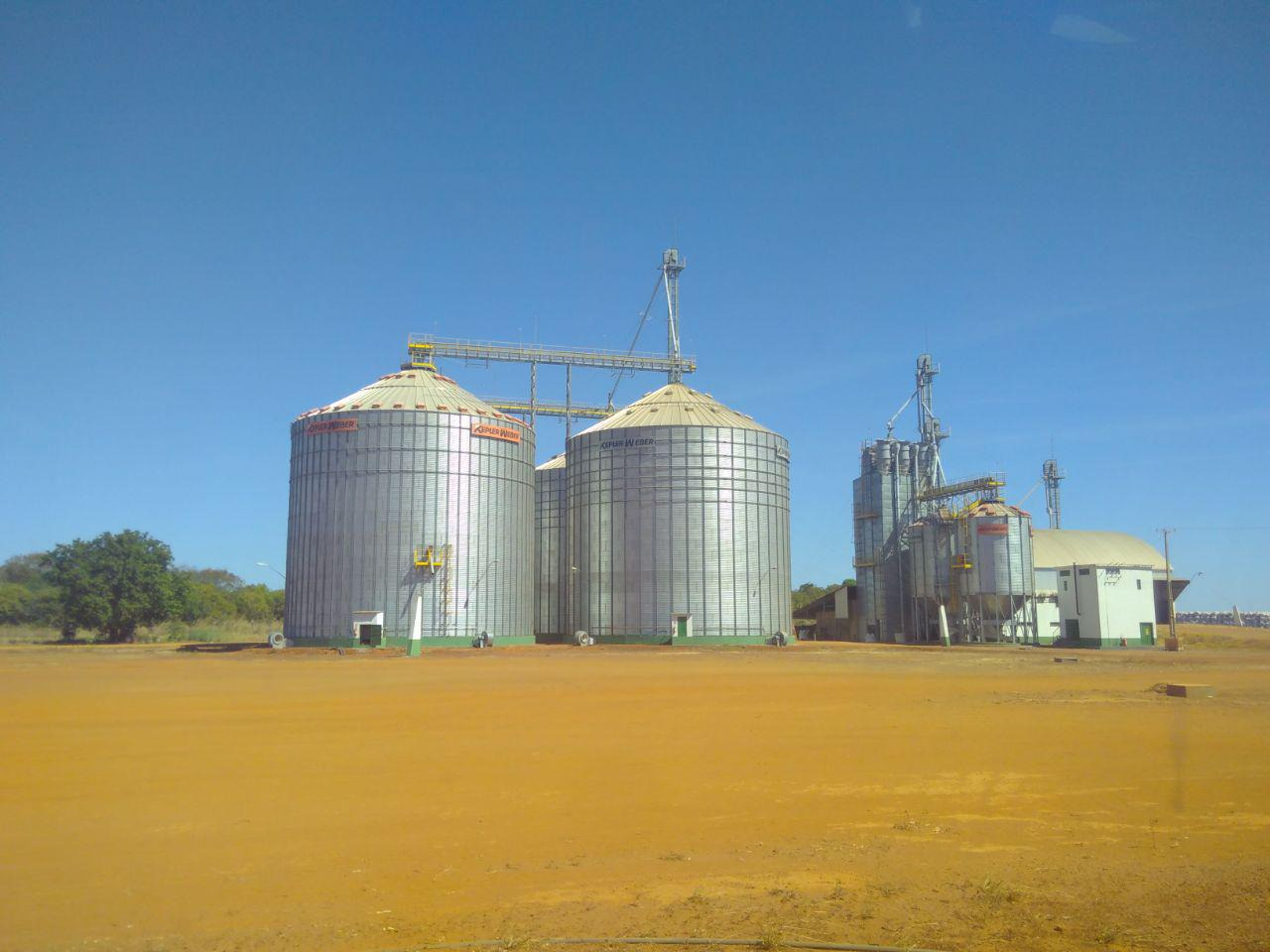
A soy farm storage plant in Porto Nacional (Miller, 2019)
CULTURE
During my little free time I had the opportunity to get to know more about the Brazilian culture.
First of all, the Brazilian cuisine. I am Italian and I am used to high food quality standards, but I think Brazilian food is delicious and I fell in love with the their fruit and their prato feitos.
Second, the language. Don’t even think to go to Brazil without knowing a little bit of Portuguese. In Goiânia, I met two PhD students from Check Republic looking for new university partnerships in Brazil. Assisting to their communication exchange with the Brazilian professors and PhDs was hilarious.
Third, poverty. Although Brazil is a developed country, there still is poverty and a huge gap between poor and rich people. It’s a modern type of poverty, in which people have decent livelihoods, can afford fancy watches and the latest smartphones, but can’t go to the hospital because it’s too expensive. In general, the welfare system is behind European standards.
Delicious typical street food in Goiânia (Miller, 2019)
OVERVIEW
My research trip to Brazil has been extraordinarily adventurous, highly productive and lifetime memorable. It was my first real research study and I am extremely happy that I started in such a fashion. I don’t think I could have carried out a research study on Brazilian sustainable farming if I hadn’t included a similar field trip. I would have probably got bored and stuck at the introduction. Instead, I am now passionately motivated to write a sound, scientifically decent manuscript that can honor my research experience and all the field work hours that I spent. A manuscript that can honor the ongoing sustainability battle, the people that helped me out in the research and that believe in a more sustainable world, and those that constantly live daily struggles to farm their family farm. I wish to find the right technical and stylistic words that can communicate all this effectively. I will commit to that even when I’m bored typing on the computer or preparing the references.
A traditional dairy family farm in Porto Nacional (Miller, 2019)
THE MOST SUSTAINABLE TYPE OF FARMING FOR THE BRAZILIAN CERRADO
Well this is something I am working on. I can’t tell you now
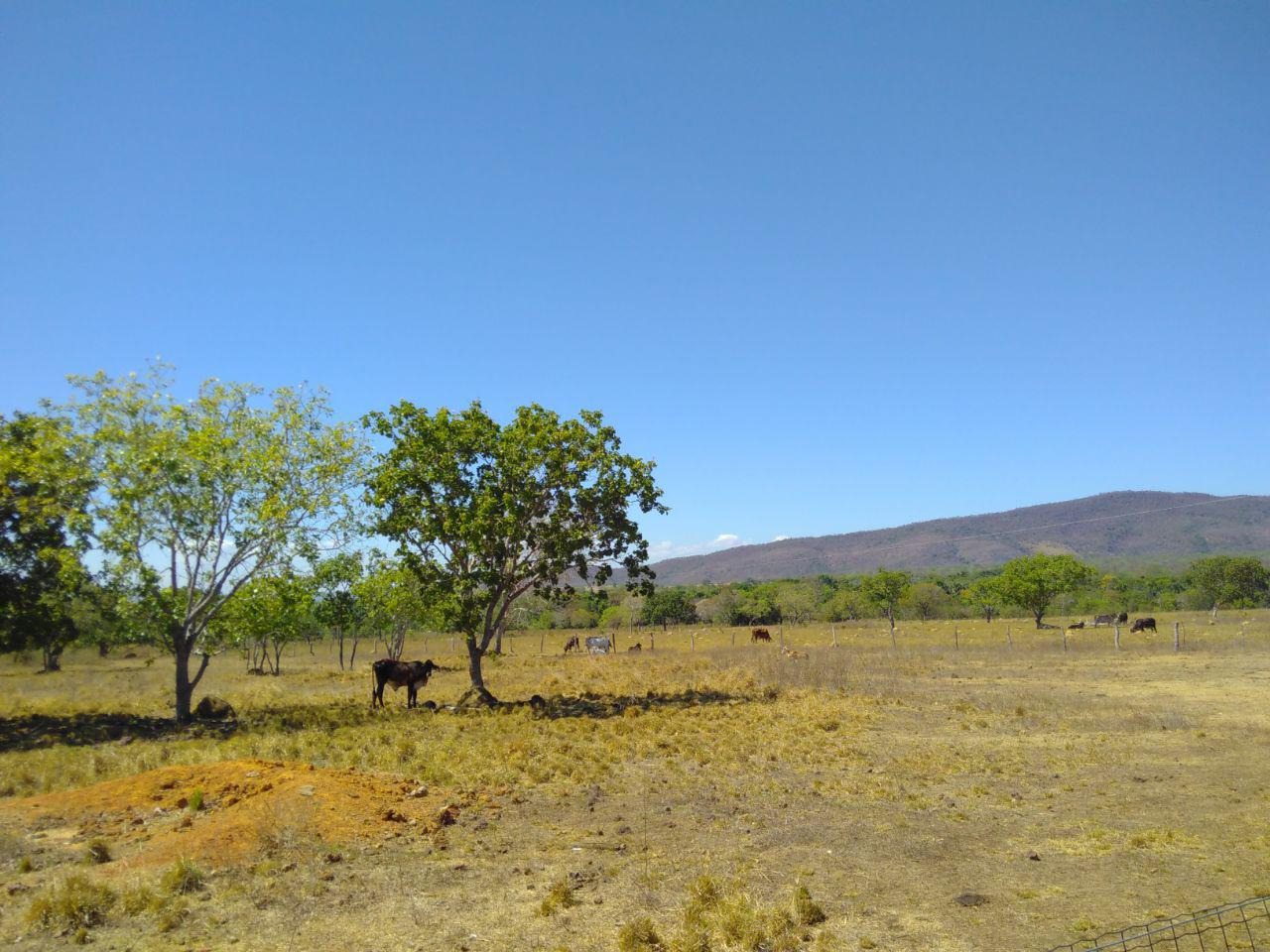
Landscape view of the beautiful cerrado: the Brazilian savannah ecoregion (Miller, 2019)
Peruvian forests and their biggest threat: deforestation
Peru has a total area of 128.5M hectares divided in three main regions: a) the Coast region to the West; b) the Andean region in the center; c) the Amazon region to the East. It hosts 73.3M hectares of forests, of which 53.4M are of low jungle (selva baia) and 15.7M of high jungle (selva alta),which allow widespread forest activities. Indeed, 80.1% of the national area is covered by forests, while only 13.9% is covered by pastures and 5.9% by cultivated areas. Yet, forests contribution to the national GDP is very little (approx. 1.1%). That is because 70-90% of conceded forested areas are used by local populations for self-subsidence and because about 10M hectares of forested areas are used for illegal and untaxed activities [1] (MINAM, 2016).
The biggest threat of Peruvian forests is deforestation. Since 1995, deforestation rate has been around 100,000 ha/year in the Amazon region, which hosts 94% of the national forests, and has strongly hit the low jungle. Slash-and-burn farming, cattle farming and coca cultivation are the main reasons of deforestation, but the generic causes are deeper rooted in the Peruvian society. Poverty, overpopulation and migration in the Amazon are some of the social causes. Land use change, weak market regulation for the extraction of natural resources and the demand increase for industrial crops are some economic causes. Finally, a bad governance, including the incoherence of government [2], the lack of regional administrative bodies and poor institutional control and coordination is the third cause (MINAM, 2016). Meanwhile, the expansion of the global cocaine market, has increased Peru’s coca production, which raised from 43,900 hectares in 2016 to 49,900 hectares in 2017, and added additional pressure to Peruvian forests(United Nations, 2017).
In this scenario, agroforestry can be a potential solution to tackle deforestation, replace coca production and restore degraded land in Peru.
Agroforestry in Peru
There are multiple types of agroforestry systems in Peru and include 148 native species: 20 in the Coast region, 57 in the Andean region and 94 in the Amazon region. In the Amazon, most agroforestry species are used for timber, followed by food and multiple uses, agroecological service and medicine. In the Andes, most agroforestry species are used for multiple uses, followed by agroecological services, food, timber and medicine. In the Coast, most agroforestry species are used multiple uses, followed by agroecological services, food and medicine (Cherron-Macha et al. 2018).
Agroforestry systems in Peru
Multistrata, cacao and coffee are the most popular agroforestry systems in Peru.
A typical multistrata agroforestry system starts with a fast-growing and nitrogen-fixing fruit tree (Inga edulis) combined with other native fruit and timber trees. During the first years, the trees are intercropped with staple crops. In subsequent years, tree-growth hinders many staple crops, so shade-resistant crops, like pineapple, are planted (Lojka, 2016).
In cacao agroforestry systems, is first planted as understory shade tolerant tree in thinned natural forests. Later, cover crops can be incorporated in the system. Best practices for a proper cultivation include adjusting light infiltration and moisture availability and reducing weed competition (PUR Project, 2015).
In coffee agroforestry system, coffee cultivations are first established under the cover of Inga edulis. Coffee is sold and exported, while Inga edulisfruit and wood is harvested for either consumption or wood constructions. The system is generally two-layered but additional herbaceous or tree species (e.g. Ceroxylon echinulatum) can also be introduced to add biodiversity, provide fuelwood and protect the system from pests (Envolv-Vert, 2017).
A simple agroforestry farm in the Peruvian Andes. Photo taken by author (July 2019).
The environmental, social and economic benefits of agroforestry
All three types agroforestry systems provide several environmental, social and economic benefits. Cacao agroforestry systems largely benefit the soil quality. Depending on the soil microbial structure, the agroforestry management system and the selected cover crop, they improve soil structure and texture, soil fertility, soil organic matter, soil microbial biomass and soil pH. They can suppress pathogens and weeds, reduce leaching losses of nutrients, control erosion, decrease soil acidity and compaction, reduce fertilizers inputs and pests, improve water holding capacity and nutrient cycling (Buyer et al. 2017). On the other hand, it is still unclear if it truly enhances biodiversity. It depends on the density of the cover crops (Lojka, 2016). On the socio-economic side, cacao agroforestry systems can replace coca cultivations, enhance the resilience of production systems and producers’ families and generate higher incomes for the farmers. Coffee agroforestry systems reduce CO2 emissions of deforested areas, increase soil carbon stocks, which can be converted in carbon credits, thus attract Net Market Carbon investments. They also increase diversification of production and of potential revenue sources (e.g. FSC labelled timber, agricultural products). Following the abolition or minimal use of fertilizers and pesticides, coffee agroforestry system produce healthier food, provide education, and stimulate the engagement of local communities in environmental protection and forest management (Ferrari, 2018)
Agroforestry potential for ecosystem restoration
Agroforestry systems can restore land productivity of nutrient poor areas depleted by unsustainable agricultural practices and intensive exploitation of virgin forests. The first step is to install aggressive nitrogen-fixating species legumes (e.g. Makuna)or fruit trees (e.g. Inga edulis)to prepare the land for the future agroforestry system. At that point, full-sun or shadowed cacao or coffee agroforestry system can be installed. Alternatively, one can install an agroforestry system that includes a shadow component (e.g. banana or papaya), a main crop (e.g. cacao), a recovery crop (e.g. guava) and slow-growing timber species. In this case, not only land productivity is restored, but also nutrients and water are better retained in the soil, land is protected from erosion, carbon absorption is increased and the behavior of a real forest is mimicked (Ferrari, 2018).
Restoring forest connectivity is also possible through agroforestry, as they can function as ecological corridors between the remaining virgin forest patches. This can consequently benefit biodiversity.
Finally, agroforestry can nurse threatened Amazonian species, like mahogany. A recent study revealed that an Inga edulis-mahogany-pasturesystem is a good solution to fix nitrogen in depleted soil, restore degraded pastures and protect mahogany from predators (Fernandes et al. 2006).
Nevertheless, agroforestry solutions have issues to consider. Return on investment is slow, there are light, water, space and soil nutrients trade-offs between species to properly balance, restoration of pure stand agroforestry systems may not be possible in densely populated landscapes. One must therefore consider the option to install intercropping, bordering or clustered agroforestry systems (Erdmann, 2005). Yet, agroforestry systems are much more effective than fenced reforestations and can be considered extremely valid solutions to restore degraded ecosystems in Peru.
Family farms and agroforestry farms in the Peruvian Andes. Photo taken by author (July 2019).
References
Papers:
Buyer, J. et al. (2017). Soil microbial communities under cacao agroforestry and cover crop systems in Peru. Applied Soil Ecology. Science Direct. Vol. 120, 273-280.
Cerron-Macha, J. et al. (2018). Agroforestry species of Peru: annotated list and contribution to prioritization for genetic conservation. Working paper number 289. World Agroforestry Centre, Lima, Peru. DOI: http://dx.doi.org/10.5716/WP18029.PDF.
Erdmann, T. (2005). Agroforestry As a Tool for Restoring Forest Landscapes. Forest Restoration in Landscapes. Beyond Planting Trees (pp.274-284). DOI: 10.1007/0-387-29112-1_40.
Lojka, B. (2016). Multistrata agroforestry as an alternative to slash-and-burn farming in Peruvian Amazon.Agroforestry Research Developments, Chapter: 13, pp.383-398. ISBN-978-1-63485-094-0.
Fernandes, E. et al. (2006). Restoring Productivity to Degraded Pasture Lands in the Amazon through Agroforestry Practices. Biological Approaches to Sustainable Soil Systems. DOI: 10.1201/9781420017113.ch21.