Ir al contenido principal

Etiqueta: university

Agroecology in Brazil: From the Fields to University

Many Brazilian universities have Centers for the Study of Agroecology and Organic Production (NEAs).These Centers allow students to live agroecological experiences led by farmersthroughout Brazil [1]. NEAs are typically coordinated by professors of institutions working on sustainable production research projects. One of them is Prof. Dr. Fernando Silveira Franco, an engineer and PhD in Agroforestry Systems for Family Agriculture at the Federal University of Viçosa. As professor of forest engineering, biology and agroecology at the Federal University of São Carlos, Professor Fernando manages the agroecology study center “Núcleo de Agroecologia Apetê-Caapuã (NAAC)”. The center develops participatory research and dissemination projects and supports forest restoration organizational processes in the Sorocaba region, focusing on agroforestry and biodynamic systems.
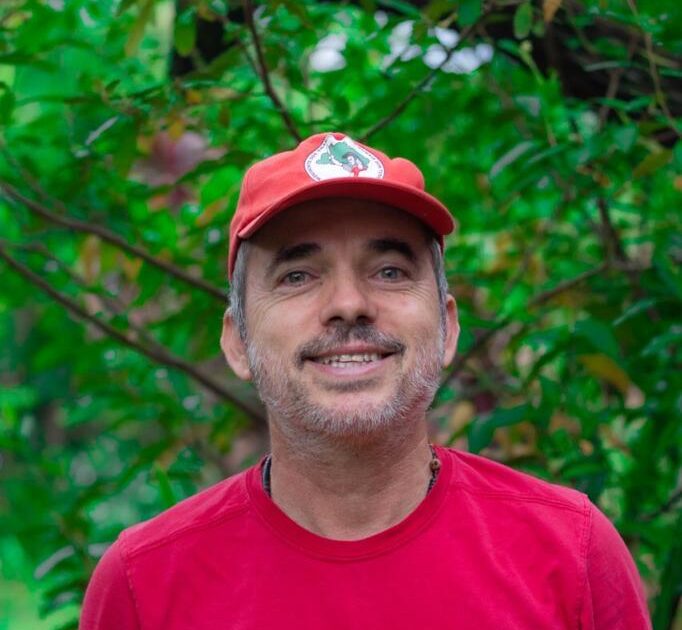
Fig. 1: Agroecology Professor Dr. Fernando Silveira Franco.

Fernando, how was the NAAC agroecology study center established at the university?

“The idea was not mine. When I was a bachelor’s student in the 1980s, there were “alternative agriculture” study groupsthat aimed to bring the national and global debate on agrifood systems into the academia. [They were] seeking viable technical alternatives from the social and environmental perspective to support farming families in dealing with food production challenges. In the late 1980s and early 1990s, with the contributions of several authors such as Ana Primavesi, Miguel Altieri and Stephen Gliesmann, alternative agriculture was acknowledged as Agroecology in Brazil. Now it was no longer just about ecology of the rural ecosystem, but of society [together] with it, as a whole”.

During that time, the non-profit civil law association Advisory on Alternative Technology Projects (“ASPTA”) had already promoted initiatives to strengthen family farming and sustainable rural development in Brazil. One of these initiatives included the translation of Miguel A. Altieri’s book “Agroecology”, which was later subtitled “the scientific basis of alternative agriculture”. This translation marked the paradigm shift between alternative agriculture y la agroecología in the country [2].
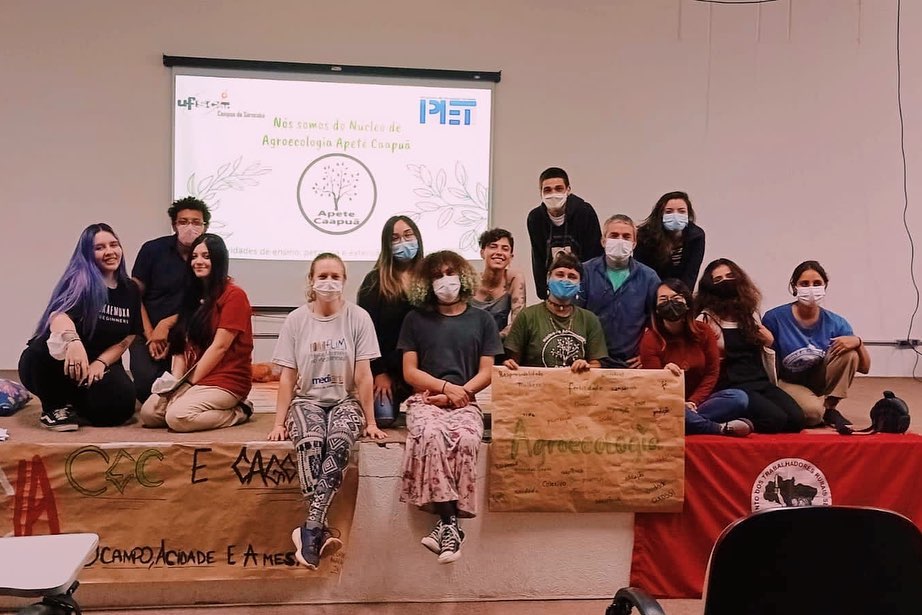
Fig. 2: NAAC agroecology group presentation in the University’s aula magna. July 2022.

“Before [the creation of the NEAs], a network of NGOs created by the ASPTA collaborated with university professors who believed in alternative sustainable production models and developed research projects in alternative agriculture. Thanks to the [effort of the] NGOs, our scientific projects were soon after financed by European organizations such as GTZ, Misereor and ASHOKA. That’s how we started”.

The incorporation of the new terminology took place between the 1980s and 1990s and was facilitated by the Brazilian Meetings of Alternative Agriculture (“EBAAS”). At the beginning of the 90s, Agroecology was widespread in the academic community, but it was only in the 2000s that it officially gained space in public policies and Brazilian universities. In 2004, a national policy for technical assistance and rural extension (“Ater”) of the Ministry for Agrarian Development (“MDA”) – incorporated agroecology for the first time. The policy’s general objective was "to stimulate, encourage and support sustainable rural development initiatives, involving agricultural and non-agricultural activities […] adopting the principles of Agroecology as the guiding axis of the actions”.It also stressed that Brazilian farming should “[…] adopt a multidisciplinary and interdisciplinary method, encouraging the adoption of new participatory methodological approaches and a technological paradigm based on the principles of Agroecology”. [3]. Finally, in 2010 the first NEAs were created in Brazilian Universities through the funding of the public call no. 58/2010 MDA/SAF/CNPq [1].

What is the importance of Agroecology in Higher Education?

“The experiences that a NEA can provide to a student are the most precious thing. It is when the student goes from theory to practicethat learning becomes concrete, because what is read takes shape and gains another dimension. Especially in Brazil, the reality of family farming is very distant from the eyes of the urban population. Nonetheless, it is not only the contact with reality [..] that summarizes the importance of this discipline but rather the connections that it weaves. In Latin America, agroecology is science, social and political movement, and practice. So, without people, the last two steps cannot happen”.
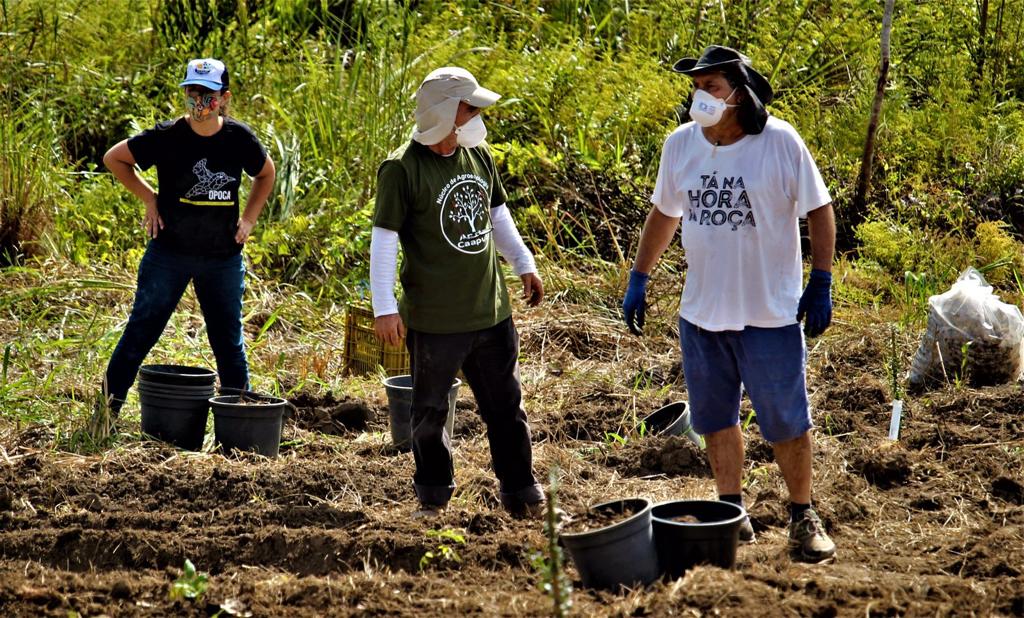
Fig. 3: Professor Dr. Fernando and students implementing an agroforestry system in Registro-SP, in collaboration with the State University of São Paulo (Aline Gomes, 2022).

Professor Dr. Fernando also stresses the fundamental role of agroecological studies in universities to link teaching, research and dissemination. In Brazil, this concept is in fact a duty decreed by the 1988 Federal Constitution (art. 207) that university must comply to. This means that all Brazilian higher education institutions should provide professional training (teaching) based on an ethical-political-social duty. For the production of knowledge (research) must be intended for the direct use of the Brazilian society (dissemination) [4].

What are the current challenges of teaching agroecology in a Brazilian public university?

“Today’s challenges are operational. Our budget has been drastically cut in the last years of the current government and […] we are at risk of collapseand not being able to pay the bills by the end of the year. This is something I had never imagined I would experience in a State University. So, with the lack of resources coming from the university, NAAC project experiences – that were regularly carried out throughout the year – have been significantly reduced. Currently they only count on the support of the Tutorial Education Program (“PET”) from the Ministry of Education, because there are no more calls coming from the National Council for Scientific and Technological Development (“CNPq”) – and other public policy programs created previously”.

Fig. 4: Students protesting in the city center of Sorocaba. July 2022.

Agroforestry to Fight Food Insecurity in Brazil

During the last two years food insecurity levels have severely increased in Brazil. According to the second National Survey of Food Insecurity in the Context of the Covid-19 Pandemic in Brazil, conducted by the PENSSAN Research Network, 33.1 million Brazilians do not have sufficient food supplies. Compared to 2021, that means that an additional 14 million people suffer from severe food insecurity [1].

The escalation of hunger in the country started in 2018, but it was awfully aggravated during the pandemic. Since then, the wave of high unemployment rates imposed by the pandemic together with precariousness of work, loss of social rights and reduced purchasing power put many Brazilian lives at stake [1].

This situation was Brazil’s normality in the 80s but an outrageous reality today. Food distribution initiatives were raised all over the country by agroecological farmerslike Ana Bovoy. Holding a Bachelor’s in environmental engineer and as a future Master’s in Forest Restoration, Ana was one of the many Brazilians behind the distribution of food supplies to families in need in the state of São Paulo.

Ana, how can agroecology and agroforestry help provide food security in Brazil?

“During the pandemic, farmers of the Brazilian Landless Workers Movement (“MST”) were unable to sell their products and there were many people in a condition of food vulnerability. Together with the Agroforestry Network of Ribeirão Preto we therefore created a campaign called Agroecological Food for All. Through this campaign, we raised money from civil society, purchased agroecological products from MST communities and donated them to people who were starving. This showed us the great potential of agroforests. First, they provide food security for the farmers. Second, they are a form of (self-)sustainable production method that respects the environment. And third, their production is abundant. All this was directly reflected in the campaign. Although we had bought a certain amount of food supplies, the farmers donated much more. In total, we donated 85 tons of agroforestry foodstuff over a year. Our campaign ended after the third distribution round but others, like the Marmita Solidária initiative in Recife, are still running”.

Fig. 1:Left: Part of the food collected in the “Alimentos agroecológicos para todos” campaign. Right: People in line waiting for their food donation package (Ana Bovoy, 2021).

Ana fell in love with agroforestry during her bachelor’s after taking a course with Manfred Müller, one of Ernst Götsch’ apprentices. After her studies, she used her savings to travel around Brazil as a volunteer in agroforestry farms to learn how to create an agroforest and how to live from it. Nowadays she assists in the implementation of agroforestry systems (“AFS”) in Brazilian farms and holds bee keeping course to integrate stingless bees in agroforestry systems.

What are the biggest challenges of agroforestry in Brazil?

"One of the biggest challenges of agroforestry is knowledge. We are talking about an agricultural method made through processes and this involves a lot of studying. We still know very little about the plants in Brazil and how to intercrop them. In addition, there is a need to make it viable on a large scale and for that, the development of specific agroforestry machinery. This is currently taking place and in my point of view it is of fundamental importance for the environmental recovery and farming substantiality in Brazil.”

Fig. 2: Left: Ana thinning an agroforestry system in Brazil (Ana Bovoy, 2021). Right: Ana teaching a course on bee keeping (Escola de Meliponicultura, Brazil).

What is the best way to start an agroforestry system?

"The best way to start is through an AFS vegetable garden because we are going to cultivate short-cycle species.Therefore, we can learn faster. For example, to make a vegetable patch we can combine plants with different life cycles in the same space: arugula (45 days), lettuce (60 days), cabbage (90 days) and corn (120 days). In four months, we already have the first experiences of what it is like to make a plant consortium and succession. After that, it is all about study and dedication. Nature teaches us and we learn from it.”

REFERENCIAS:

[1] Brazilian Research Network on Food Sovereignty and – PENSSAN, 2022. Second National Survey of Food Insecurity in the Context of the Covid-19 Pandemic in Brazil, p.73. Retrieved on July 3 from:  https://static.poder360.com.br/2022/06/seguranca-alimentar-covid-8jun-2022.pdf

Cover photo: View of a typical Brazilian agroforestry system (Ana Bovoy, 2021).

Preview photo: People in line waiting for food donation packages supplied by the “Alimentos agroecológicos para todos” campaign (Ana Bovoy, 2021).

Una agroecológica en Santa Cruz de la Sierra (Bolivia)


Hoy en día, el contexto de la agricultura global y nacional obliga a la sociedad civil a reflexionar sobre el presente y el pasado de la producción de alimento. La seguridad y la soberanía alimentarias han de comprenderse y ser puestas en práctica más allá de las recomendaciones y charlas repetidas en los foros internacionales.

A pesar de estar integrado en la constitución del país y recalcado por varias leyes y decretos nacionales, la seguridad y soberanía alimentarias en Bolivia no se han convertido en una realidad más allá de lo que dice el papel. Bolivia ha sido y continúa siendo una potencia agroextractivista que promociona la producción de monocultivos. La soja es uno de ellos. La soja transgénica supone un 35% del área cultivada de Bolivia [1], a expensas de otros cultivos importantes para el mercado nacional y la nutrición de la población como pueden serlo los cereales, tubérculos, frutas, verduras o energizantes.

Paradójicamente, Bolivia importa estos productos por un valor de aproximadamente 773 millones de dólares [2].Para un país situado entre los 11 más biodiversos, esto es un escándalo que refleja como las grandes corporaciones internacionales que poseen transgénicos y agroquímicos han subordinado la política agrícola boliviana a sus propios intereses.

Por desgracia, las escuelas y centros educativos también se ven afectados por los intereses de estos negocios agrícolas [33], a juzgar por el elevado número de estudiantes a favor del uso de semillas transgénicas y agroquímicos.

A lo largo de las décadas la situación ha empeorado, llegando a un sistema de producción fallido y un mercado especulativo global. Sin embargo, esto ha preparado el terreno para la irrupción de la agroecología. La ONG PROBIOMA-PROBIOTEC es una de las instituciones que apoya y promueve este nuevo modelo de agricultura. La explotación agroecológica established in San Luís, about 50 kilometers from Santa Cruz de la Sierraestá acreditada por la Red Internacional de Forestería Análoga (RIFA), y se ha convertido en una importante referencia ara la producción agroecológica e la Amazonía boliviana.


Fig. 1: View of the agroecological farm in San Luís on a bright sunny day (GreenMarked. San Luís – Santa Cruz de la Sierra, Bolivia. June 2022).

Durante los últimos seis años, PROBIOMA-PROBIOTEC ha promovido prácticas agroecológicas entre estudiantes de agronomía de universidades públicas y privadas. Gracias a estas prácticas de campo y programas de formación de entre cuatro a cinco meses de duración, los estudiantes pueden preparar sus tesis en un cultivo o proceso agroecológico en concreto. De esta forma, los estudiantes pueden experimentar prácticas agrícolas y forestales innovativas y más respetuosas con el medio ambiente – not only theories – and acquire new technical skills to become competent ecological agronomists, environmental engineers and biotech researchers of the future.

Un ejemplo de experiencia formativa que cabe mencionar es el trabajo que han llevado a cabo dos estudiantes de la universidad privada UCEBOL. En mayo, Dora Cruz Coronado y Christian Zabala apoyaron el establecimiento de un vivero agroecológico para la producción de frutales y otros árboles nativos. The trees will be transferred in September – December to the farming communities of the Chiquitanía region, which has been severely hit by recent forest fires perdiendo cientos de hectáreas de bosque [3]. Con ayuda económica del proyecto “Agrecol Trees – Chiquitanía”de GreenMarked, estas iniciativas no solo apoyan la educación agroecológica, también responden a las necesidades socioambientales de la región.

Gracias a la diferencia que aportan los árboles orgánicos al representar la visión y el modelo agroecológico, esta nueva colaboración Bolivia-Italiana aborda de manera eficiente los problemas de conservación de la biodiversidad y la seguridad y soberanía alimentarias..


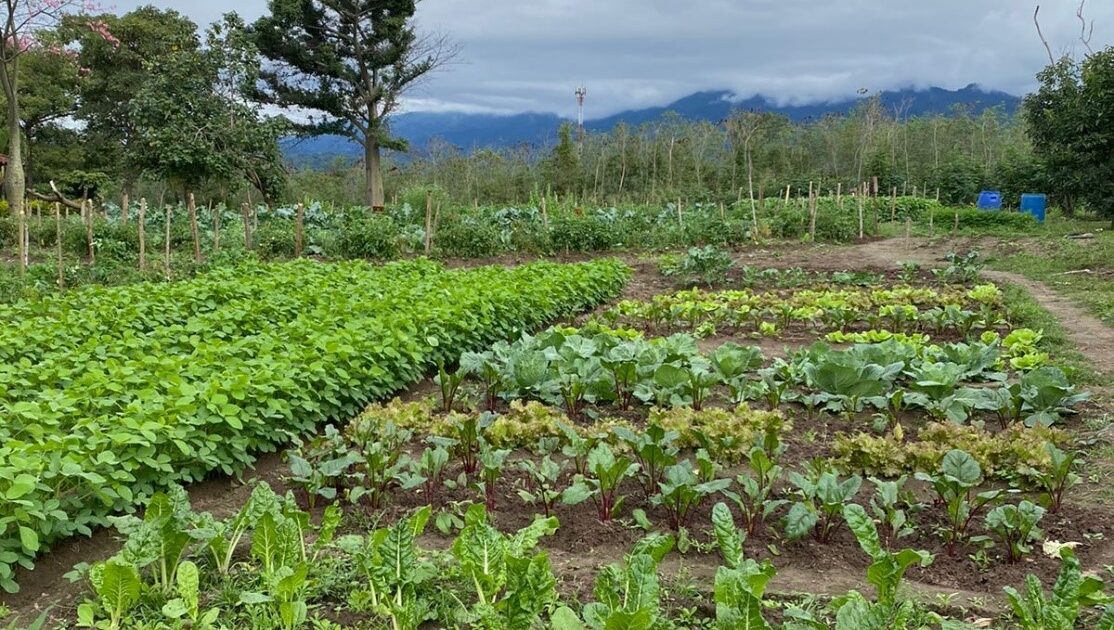
Fig. 2: Organic soybean in association with organic vegetables at PROBIOMA-PROBIOTEC’s agroecological farm(GreenMarked. San Luís – Santa Cruz de la Sierra, Bolivia. June 2022).

Cover photo:Front view of PROBIOMA-PROBIOTEC’s agroecological farm(GreenMarked. San Luís – Santa Cruz de la Sierra, Bolivia. June 2022).

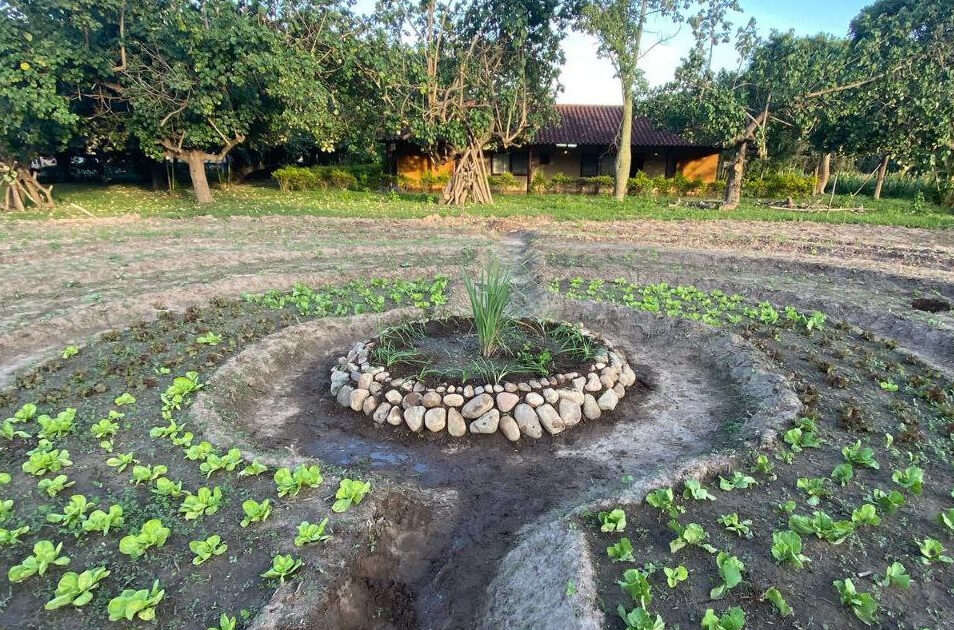
Preview photo:View of the mandala vegetable garden at PROBIOMA-PROBIOTEC’s agroecological farm (GreenMarked. San Luís – Santa Cruz de la Sierra, Bolivia. June 2022).

REFERENCIAS:

[1] PROBIOMA. (2021, December). PROBIOMA impulsa el fortalecimiento de la producción de alimentos desde las comunidades. Agroeco noticias. https://web.probioma.org.bo/index.php/component/joomdoc/doc_download/275-agroeconoticias-15

[2] Miller, M. L., Santos Ferreira, S., Löbmann, M., Schermer, M., Foschiera, A., & Zerbe, S. (2022). An outlook on the future of Brazilian agriculture: how farming students of Tocantins perceive sustainability in the Cerrado. Brazilian Journal of Environmental Sciences (Online), 57(2), 215-229. https://doi.org/10.5327/Z2176-94781328

[3] PROBIOMA. (2020). El modelo agropecuario global que enferma, contamina y no alimenta. https://web.probioma.org.bo/index.php/component/joomdoc/doc_download/251-probioma-bolivia

[4] ABT. (2021, May 11). Audiencia Pública Final de Rendición de Cuentas Gestión 2020. http://abt.gob.bo/images/stories/audienciaPublica/2020/final2020/informe.pdf

This article was written for the “Agrecol Trees – Chiquitanía” project, funded by GreenMarked and implemented by PROBIOMA-PROBIOTEC.

Formación en agroecología. La experiencia de dos universitarios bolivianos.

La agricultura convencional basada en agroquímicos y cultivos transgénicos ha demostrado ser insostenible y muy impactante en los bosques. La frontera agrícola sigue avanzando, y áreas de bosque se destruyen cada año por talas y quemas, intencionales o accidentales, e incendios forestales. La reforestación de áreas afectadas directa o indirectamente por quemas agrícolas carece de sentido sin la consolidación de nuevos métodos de agricultura más respetuosos con la naturaleza, como es la agroecología, que respeta el bosque, la biodiversidad, el suelo y los recursos hídricos.

Por estos motivos, dos estudiantes de agronomía de la Universidad de Santa Cruz de la Sierra escogieron la agroecología como sus prácticas profesionales en la carrera. Escogieron el programa de formación en agroecología de PROBIOMA–PROBIOTEC, socio de GreenMarked en la iniciativa “Agroecol Trees - Chiquitanía”, y entre otros, uno de los principales actores en agroecología y control ecológico de plagas en el departamento de Santa Cruz, Bolivia.

En esta entrevista se recoge la experiencia de su primer mes en el programa de formación, y su visión sobre la agroecología boliviana.

¿Por qué decidiste hacer las prácticas y tu tesis en agroecología y gestión ecológica de cultivos y frutales?

Christian: I’ve always been interested in organic products and always wanted to learn about agroecology and the quería aprender sobre la agroecología y el manejo ecológico de los cultivos. PROBIOMA-PROBIOTEC tiene muchos años de experiencia en este campo y creo que puede ayudarme a escribir una tesis interesante que suponga una contribución válida [a la comunidad científica].

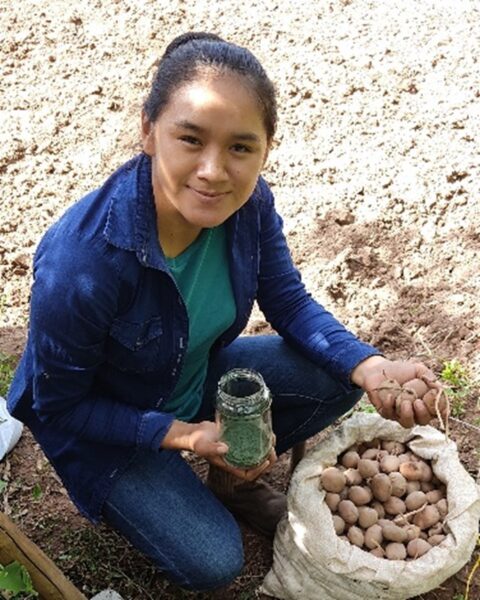
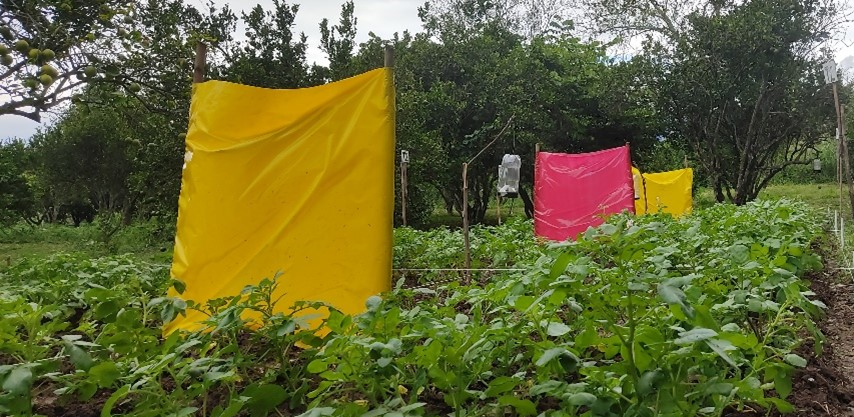
Dora: To complete my university curriculum, I am conducting a research study that evaluates how analiza como afecta la agricultura agroecológica a los factores agroeconómicos, y su potencial rendimiento en el cultivo de patata (Solanum tuberosum). Además, analizaré el impacto agroecológico de la gestión de plagas y su gravedad, para promover la agroecología como la manera de optimizar el cultivo de patata (Figura 1). Escogí PROBIOMA-PROBIOTEC para hacer mi estudio porque tenía muchas ganas de investigar en gestión agroecológica y aprender sobre producción ecológica y métodos de gestión de plagas.

Fig. 1:La estudiante de agronomía Dora Cruz Coronado tratando semillas de patata con TRICODAMP, un microorganismo que protege las patatas de enfermedades del suelo. (GreenMarked. San Luis – Santa Cruz de la Sierra, Bolivia. Marzo 2022)

¿Por qué decidiste hacer las prácticas y tu tesis en agroecología y gestión ecológica de cultivos y frutales?

Christian: Crops and fruit trees ecological pest management tries to avoid the damage caused by agrochemicals using productos basados en minerales, trampas, feromonas o microrganismos entomopatogénicos u hongos micro parásitos, y bacterias beneficiosas. These more environmentally and soil friendly products are prepared and used at the PROBIOMA-PROBIOTEC site at San Luís – approximately 55 kilometers from Santa Cruz de la Sierra – under the names of “Probiobass”, “Tricodamp”, “Biosulfocal”, “Biofrut”, “Biogal” (Figura 2).

Dora: Agroecological farming is based on the ecological management of crops, fruit trees, fruit and forest trees seedlings. It aims to produce high quality food, restore farm and forest biodiversity, respect the natural environment and preserve soil fertility. One of its main strategies is to evitar el deterioro del suelo mediante la rotación de cultivos (barbecho) y el uso de fertilizantes y productos ecológicos. En el centro productivo PROBIOMA-PROBIOTEC hemos aprendido a aplicar “Biogal”, un fertilizante ecológico foliar, “Biosulfocal”, un acaricida y fungicida respetuoso con la biodiversidad, y Trichoderma spp., un tratamiento de mico-parásitos que previene enfermedades fúngicas. Todos estos productos ecológicos son clave para la preparación del sustrato agroecológico y el tratamiento de las semillas. Nos ayudan a realizar una agricultura sostenible a largo plazo, contribuyen en la conservación de la biodiversidad y apoyan el desarrollo rural verdaderamente sostenible.

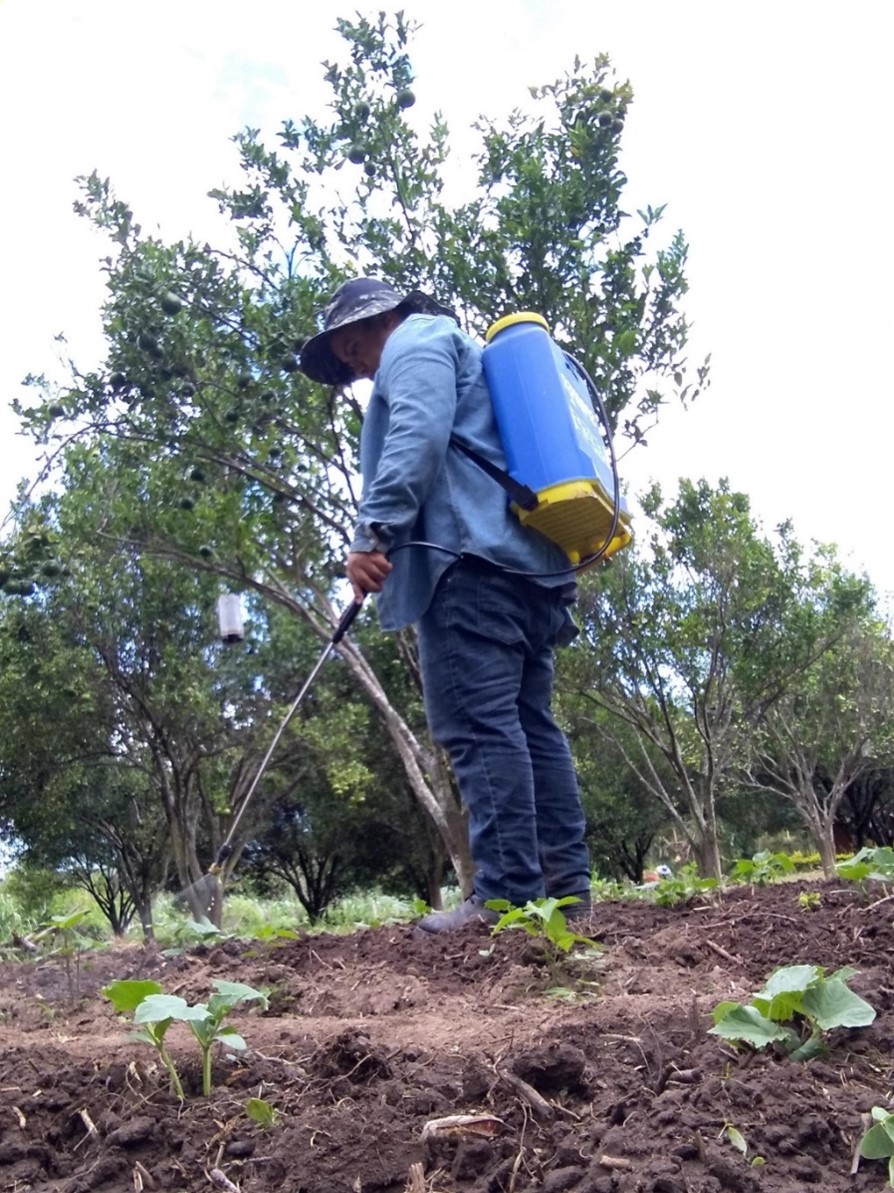
Fig. 2:: El estudiante de agronomía Christian Zabala tratando con PROBIOBASS los vegetales para prevenir daño por insectos. (GreenMarked. San Luís – Santa Cruz de la Sierra, Bolivia. Marzo 2022).

¿Qué has aprendido en tu primer período de prácticas en agricultura agroecológica?

Christian: From my experience, these organic products have given excellent results. They have fulfilled their function of controlling pests without harming crops and they can be applied in every plant growing stage: from substrate preparation to harvest. Results were very positive in both horticultural fields and fruit tree orchards (Figura 3), y los productos ecológicos previenen y controlan exitosamente enfermedades del suelo y plagas foliares.

Además de control ecológico de plagas, ¿qué más haces en tus prácticas?

Christian: I am currently helping put up un vivero de frutales y árboles nativos, cuyas semillas servirán para reforestar las comunidades agrícolas de la Chiquitanía afectadas por el fuego. Para crear un nuevo vivero, debes tener las condiciones adecuadas de luz y sombra, suelos fertilizados para el correcto crecimiento de las semillas, y agua suficiente para irrigar. Además, tienes que conocer como usar los distintos productos ecológicos para prevenir enfermedades y plagas. Todos estos elementos garantizan una buena producción del vivero. Las nuevas plantas estarán sanas, fuertes y libres de plagas y se podrán trasladar fácilmente a la Chiquitanía para restaurar las áreas quemadas y mejorar las actividades agrícolas de las comunidades locales.

Dora: Apart from my research on agroecological management impacts, I am learning how to establish a plant nursery for the production of fruit and native forest seedlings. The plants will be transferred to the fire-affected communities of the Chiquitanía region, thus helping will help forest restoration and y apoyando el desarrollo de la seguridad alimentaria a medio plazo.

Fig. 3:“Trampas etológicas” para capturar insectos que determinan enfermedades vegetales. (GreenMarked. San Luís – Santa Cruz de la Sierra, Bolivia. Marzo 2022).

En general, ¿qué opinaís de vuestras prácticas en agroecología?

Christian and Dora: It is giving us the foundation for our university thesis and qualifies us as professionals specialized in agroecology and ecological pest management. It is a great contribution to implementing forest-friendly sustainable agriculture.

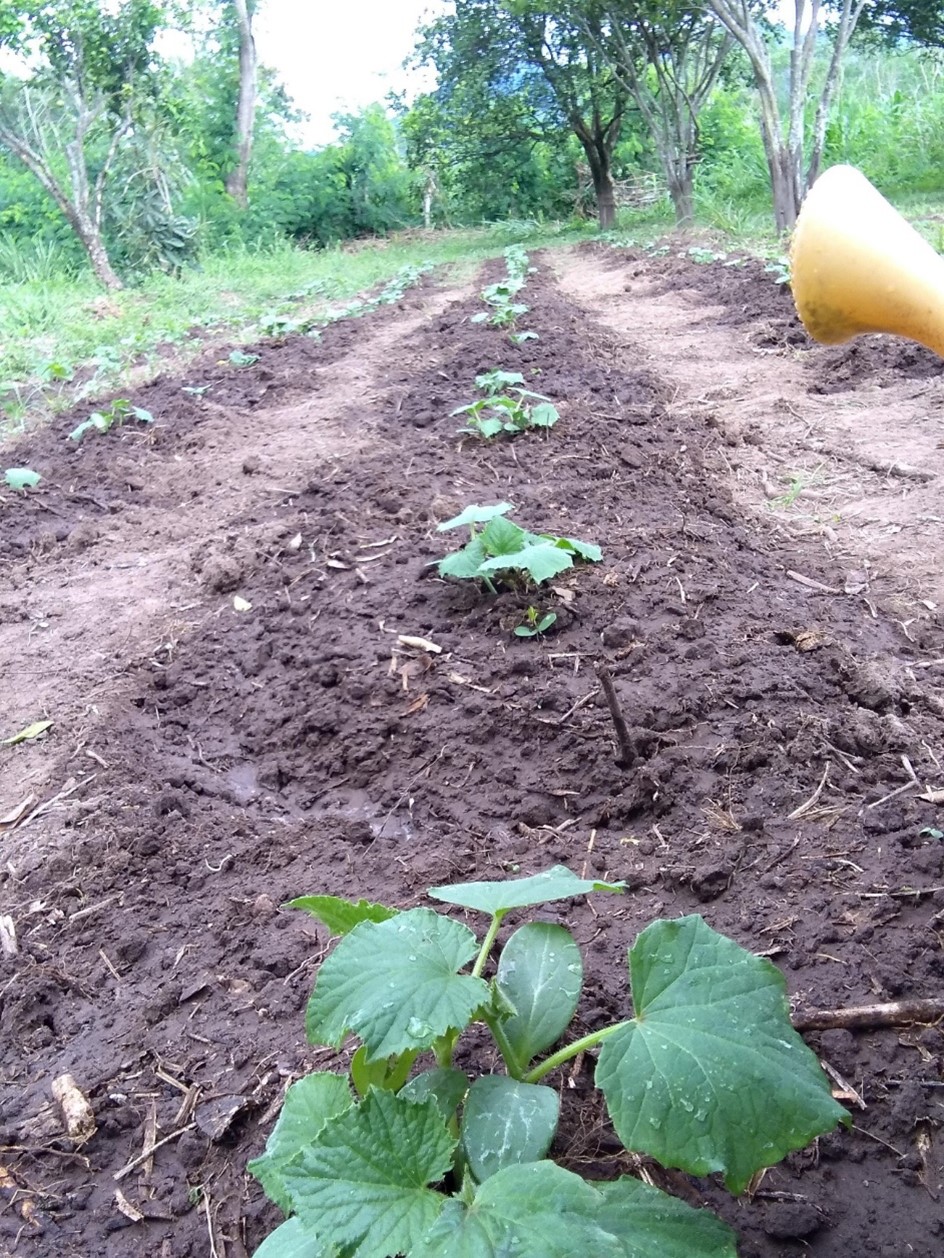
Fig. 4:Cultivo ecológico de calabacín (GreenMarked. San Luís – Santa Cruz de la Sierra, Bolivia. Marzo 2022).

Cover photo: Cultivo ecológico de tomates (GreenMarked. San Luís – Santa Cruz de la Sierra, Bolivia. Marzo 2022).

Preview photo: La estudiante de agronomía Dora Cruz Coronado tratando semillas de patata con TRICODAMP, un microorganismo que protege las patatas de enfermedades del suelo. (GreenMarked. San Luis – Santa Cruz de la Sierra, Bolivia. Marzo 2022)

Este artículo ha sido redactado para el proyecto "Agrecol Trees - Chiquitania", financiado por GreenMarked y ejecutado por PROBIOMA-PROBIOTEC.

Telegram: @greenmarked
LinkedIn: @greenmarked
Instagram: @greenmarked.it

Facebook:  @greenmarked.it


© GreenMarked.it is managed by ECONTROVERTIA APS — Via Alcide De Gasperi 1, 38015 Lavis (TN), Italy — VAT IT02667560227