Le ultime indagini sul traffico registrato nella città di Trento mostrano un dato molto preoccupante: il comune è interessato da quasi 30,000 veicoli equivalenti nelle ore di punta, per un totale di più di 320.000 veicoli equivalenti al giorno.In particolar modo, è il ferro che porta in città la maggior parte degli utenti (quasi 20,000) anche se la gomma pubblica, con i suoi 60,000 utenti giornalieri, regge molto bene. La quota di persone che si sposta nel Comune di Trento con la bicicletta, però, non supera il 9 % (valore ore di punta, solo spostamenti interni) quindi si evidenzia ancora un uso importante dell’auto [1].
Forte di queste osservazioni, il Comune di Trento ha approvato nel febbraio 2023 il Piano urbano della mobilità sostenibile (“PUMS”)ovvero un piano strategico volto a soddisfare la domanda di mobilità delle persone e delle merci in ambito urbano e periurbano con la finalità di migliorare la qualità della vita e delle persone. Il piano si unisce al suo piano di settore Biciplan che è finalizzato a definire gli obiettivi, le strategie e le azioni necessarie a promuovere ed intensificare l’uso delle due ruote sia come mezzo di trasporto quotidiano sia per le attività turistiche e ricreative. Il PUMS mira a ripensare la mobilità e rappresenta uno strumento strategico di pianificazione e programmazione relativo al sistema della mobilità locale e ai suoi rapporti con il territorio.
Il Piano prevede due scenari [2]: il primo è quello a breve termine (2026-2027) che va a coincidere con la conclusione della circonvallazione ferroviaria della città di Trento. Il PUMS prevede di potenziare i parcheggi di interscambio collocati in quadranti strategici, supportando le “cerniere di mobilità” con con una rete di mobilità dolce interconnessa con il sistema del trasporto pubblico. Nel medesimo tempo, verranno realizzate piste ciclabili e attivati percorsi pedibus per i bambini della scuola primaria oltre all’eliminazione dei due passaggi a livello della tratta Trento-Malè. A corollario, saranno installate nuove colonnine di ricarica elettrica e le nuove aree a tariffazione agevolata per i monopattini elettrici. Infine, la sosta su strada sarà delocalizzata in aree meno pregiate in modo da recuperare spazi per la mobilità soft.
Lo scenario di medio periodo (2031-2032) si concentra sulla storica linea ferroviaria del Brennero, la quale verrà interrata. Inoltre, si prevede l’attivazione di linee Bicibus, sistemi di info-utenza per gli utenti del trasporto privato e pubblico e interventi di mobilità smart.
Gli obiettivi del Piano mostrano come Trento miri a diventare una città veramente sostenibile. Basta infatti pensare all’importanza data al tema delle reti e alle loro connessioni che cresceranno significativamente grazie alla costruzione della circonvallazione ferroviaria, l’interramento della ferrovia del Brennero e l’abbassamento del piano del ferro della Trento-Malè. È auspicabile che il capoluogo trentino diventi un modello per tutti gli altri centri urbani della Provincia.
Mercoledì 8 giugno il parlamento europeo si è pronunciato: dal 2035 in Unione Europea le auto in vendita dovranno avere zero emissioni allo scarico [1]. This means that, in practice, only electric and hydrogen-powered cars will still be allowed to be put on the market. It is currently unknown what will happen to combustion engine cars already on the road after this date, but it will surely be clarified in time.
The Sion car solar concept
The XBUS solar panels
Fig. 1: If the future of the car is electric, why not also combine solar power? That’s what Sonomotors [2] (left) and XBUS [3] (right) propose.
Il fatto di promuovere “emissioni zero allo scarico”, di fatto penalizza i veicoli non elettrici che già al giorno d’oggi viaggiavano ad emissioni zero [4]. I biocombustibili sono molti, ma i più conosciuti per le applicazioni automobilistiche sono il bioetanolo (con proprietà simili alla benzina), il biodiesel e il biometano. In questo caso la dicitura bio non è collegata all’agricoltura biologica, bensì al fatto che è derivato da prodotti organici.
In Europa (anche in Italia) sono molte le realtà che producono biometano, un bio combustibile che può essere prodotto dagli allevamenti zootecnici o dai rifiuti organici. A Trento, ad esempio, l’intera flotta di autobus a metano per il trasporto urbano viaggia da luglio 2021 con biogas [5]. Un’altra realtà all’avanguardia dei biocarburanti la troviamo in Emilia-Romagna, dove l’azienda agricola Cascina Bosco Gerolo produce e vende anche a privati biometano [6]. In questo periodo di crisi energetica, è una doppia vittoria: possiamo già viaggiare ad emissioni zero con costi contenuti, per lo più indipendenti dalle fluttuazioni dei costi dei combustibili fossili. Al momento (28 luglio 2022), il prezzo medio del metano per autotrazione in Italia è di 2.261 €/kg [7], mentre presso il distributore di Bosco Gerolo il biometano viene venduto a soli 1.29 €/kg.
Ma se il biogas non sarà più rilevante per l’autotrazione, potrà esserlo decisamente per quei settori che non possono essere elettrificati. In un recente rapporto del MIMS (Ministero delle infrastrutture e della mobilità sostenibile) intitolato “Decarbonizzare i trasporti – Evidenze scientifiche e proposte di policy” [8] si analizza nel dettaglio il futuro della mobilità e si parla anche di biogas, spiegando come potrà essere molto rilevante per alimentare industrie o per produrre energia elettrica. Secondo le loro stime più ottimiste, potremmo arrivare a produrre internamente fino al 14% del fabbisogno di metano. Simili conclusioni sono state tratte dai ricercatori francesi di Carbone4, nel loro rapporto del 2020 sulla decarbonizzazione dei trasporti.
Fig. 2: From Carbone4 report [9], the cars with the smallest average carbon footprints over the entire lifecycle are electric (battery) and bio gas powered models.
One reference to life cycle analysis of cars on the market is Green NCAP, an independent initiative that promotes the development of clean, energy-efficient cars that cause the least harm to the environment [12].
In the reports of MIMS and Carbone4 [9], we talk not only about light mobility, but also about heavy transport. While the EU has decreed that from 2035 no more combustion cars will be sold, this is not yet true for heavy transport. Questa categoria è sicuramente più complicata da elettrificare e diverse sono le soluzioni attualmente in via di sviluppo, tra cui punti di ricarica da 1 MW, porzioni di autostrade attrezzate con linee elettriche per ricariche in movimento in stile ferroviario e anche piani per consentire lo scambio delle batterie al volo.
Fig. 3: Electric heavy vehicles have been used in Italy before, as in this 1939 testimony in Valtellina. Source: [10]
Ad ogni modo, l’industria si sta muovendo prima dei legislatori in questo caso: l’ACEA (l’Associazione europea dei produttori d’automobili), di cui fanno parte Iveco, Daimler, DAF, Ford, Man, Scania e Volvo, si è presa l’impegno di fermare la vendita di mezzi pesanti a combustibili fossili entro il 2040[11].
Sicuramente questo è un gran passo in avanti verso un futuro meno inquinante, ma si dovrà fare tanto anche per cambiare il modello auto-centrico dei trasporti privati attuali, con modelli più intelligenti, flessibili e sostenibili.
I biglietti a prezzo stracciato delle compagnie aeree low cost hanno permesso a tutti di scoprire altre parti del mondo senza spendere metà del proprio stipendio. Questa abitudine, sintomo di uno stile di vita insostenibile, divenne particolarmente evidente con la chiusura delle frontiere nazionali durante la Pandemia. C’era inoltre la convinzione che questo straordinario periodo storico avrebbe aumentato la consapevolezza delle persone sull'esaurimento delle risorse del nostro pianeta. Ma come sono cambiate le nostre abitudini di viaggio ora che molti Paesi si stanno lentamente riadattando a un'era post-COVID?
“Since the Corona measures were largely lifted and we are going on holiday en masse again, it is chaos at Schiphol: long queues, threatened airline staff, strikes and cancelled flights.”
Questo titolo di un giornale olandese mette in luce l’ancora vigente prospettiva business-as-usual nell'aeroporto più trafficato d'Europa [1]. La International Air Transport Association ("IATA") prevede che il numero totale di passeggeri aerei nel 2023 tornerà vicino ai livelli pre-COVID e crescerà a partire dal 2024 [2].
Ciò non vuol dire che le persone non sono ricettive al cambiamento. To fight the climate crisis, an overwhelming 87 % of cittadini europei è disposto a sostituire voli a breve distanza con treni veloci e poco inquinanti , in collaborazione con i Paesi limitrofi, rispetto al 71 % dei cittadini statunitensi [3].
The main benefits of rail traveling compared to other means of transportation are that: (1) Travel time can be used differently (e.g., for working, sleeping, or reading); (2) You can see more of the journey (e.g., scenery); (3) Trains are safer; and (4) Trains produce less greenhouse gas emissions [4].
I treni notturni stanno tornando in auge in Europa. Dopo decenni di chiusura di linee ferroviarie notturne, i governi e le compagnie ferroviarie europee hanno scelto una strada diversa. La compagnia ferroviaria austriaca ÖBB sta espandendo la sua rete NightJet in tutta Europa, il governo francese ha annunciato la reintroduzione di dieci linee notturne e il governo svedese vuole lanciare un treno notturno per Bruxelles [4]. La rete ferroviaria notturna italiana già esistente è invece illustrata qui.
Inoltre, anche il settore ferroviario deve affrontare le conseguenze dellaguerra in Ucraina. L'aumento dei prezzi dell'energia comporta un aumento dei costi di acquisto dell'elettricità per le aziende che non hanno contratti a lungo termine. Inoltre, SCI Verkehr sostiene che i produttori di vagoni ferroviari aumenteranno i loro prezzi del 30 %, con gravi effetti per gli operatori che non saranno in grado di trasferire questi costi aggiuntivi interamente sul mercato [5].
Fig. 1: Austrian Railjet train crossing a bridge (free-source photo by Florian Kropshofer scaricata da Pixabay).
La Commissione europea ("CE") intende potenziare il trasporto ferroviario passeggeri a lunga distanza e transfrontaliero con un nuovo piano d'azionepresented in December 2021. Passengers should be able to buy tickets more easily, international timetables will be improved, more fast lines will become available, and passenger rights will be strengthened [6].
Inoltre, the EC is working towards a level playing field for train travel by considering the abolishment of country-specific VAT on international train tickets and, at the same time, increasing flight ticket prices. The European Green Deal stipulates that the aviation industry must (finally) pay taxes on kerosene, a higher tariff on CO₂ emissions and is obliged to use more expensive and sustainable fuel. National governments like the Netherlands and Belgium also started charging a ticket tax, making air travel more expensive [6].
Dutch newspaper NRC ha condotto un'indagine sui treni internazionali come alternativa ai popolari voli brevi da Amsterdam. Utilizzando i dati sui voli, le cifre sulle emissioni e altri dati, ha concluso che i treni possono efficacemente sostituire gli aerei, soprattutto per le destinazioni entro 500 chilometri da Amsterdam. Eight of the seventeen destinations studied within this distance are even cheaper to reach by rail [7].
Immagine di copertina e di anteprima: Empty train tracks cutting though a green field at sunset. Free source photo by Konstantin Planinski da Unsplash (Karnobat, Bulgaria. September 2017).
In questi giorni la corte inglese ha emesso una sentenza storica; la prima basata sull’accordo di Parigi per il clima. Infatti, ha stabilito che il progetto per la costruzione della terza pista di decollo/atterraggio di Heathrow, il famoso aeroporto di Londra, non è consuetudinario con il diritto internazionale[1]; in particolar modo con l’accordo di Parigi. La sentenza potrebbe avere ripercussioni sia nel Regno Unito che in altre parti del mondo, ispirando associazioni ambientaliste e gruppi politici verdi a sfidare progetti per la costruzione d’infrastrutture con un’alta impronta di carbonio.
La sentenza ha una portata epocale perché:
“For the first time, a court has confirmed that the Paris agreement temperature goal has binding effect. This goal was based on overwhelming evidence about the catastrophic risk of exceeding 1.5C of warming. Yet some have argued that the goal is aspirational only, leaving governments free to ignore it in practice.”
Il problema è che l’interesse economico ha spesso la voce più grossa nei momenti decisivi per l’approvazione di un progetto di sviluppo. Ovvero, in quelle tavole rotonde in cui i membri del governo, gli esperti tecnici e i vari stakeholder discutono e approvano i progetti portati al tavolo. Nel caso della terza pista di Heathrow, i suoi sostenitori avevano brillantemente spinto in avanti l’approvazione del progetto, esponendo i suoi benefici commerciali e turistici in maniera convincente. Non sono però riusciti a convincere la corte inglese e sembra che il suo verdetto non sarà messo in discussione dal governo Johnson. Alok Sharma, il ministro inglese per gli affari economici nonché presidente del summit per il clima COP26, ha dichiarato che:
“The only economy which can avoid the worst effects of climate change, and thus continue to deliver growth, is a decarbonised economy. Our choices will make or break the zero-carbon economy.”
Per grandi opere così impattanti dal punto di vista ambientale, avere il governo dalla propria parte è un asso nella manica. Il blocco dell’espansione di Heathrow è una notizia splendida e una conquista storica per l’ambiente. I movimenti ambientalisti devono avere il coraggio di appellarsi alla neutrale giustizia delle corti e l’astuzia per giocare bene le proprie carte alle tavole rotonde. Sono rotonde perché danno ai “giocatori” pari opportunità per presentare le proprie argomentazioni. E’ proprio durante questi “momenti rotondi” che il “giocatore” più convincente si spiana la strada per portarsi successivamente a casa il proprio bottino di fiche. Sono questi momenti “rotondi” quelli in cui si deve tirar fuori la scala reale o mantenere la poker face avendo in mano solo una coppia di due. Sono questi i momenti decisivi.
Fig.1: le due piste di decollo/atteraggio dell’aeroporto di Heathrow. Fonte [2].
Sitografia:
[1] Carrington, D., 2020. Heathrow third runway ruled illegal over climate change. The Guardian.
[2] Capper, P. 2010. – Take off queue, Heathrow, 10 Sept. 2010, CC BY 2.0. [online] Available at: https://commons.wikimedia.org/w/index.php?curid=18438982
[3] Salard, E. – EI-DWI LHR, CC BY-SA 2.0. [online] Available at: https://commons.wikimedia.org/w/index.php?curid=29388588
Some of you know that I’ve been to Brazil to work on my Master’s thesis. Here’s a brief research trip overview. Enjoy it!
RESEARCH EXPERIENCE
The first part of the research trip took place in Alto Paraiso (Goiás). For sure, it was the most adventurous time of the trip. Coming from Peru, after 10 days of interdisciplinary university excursion where everything was planned and organized for me, the start in Brazil was rough.
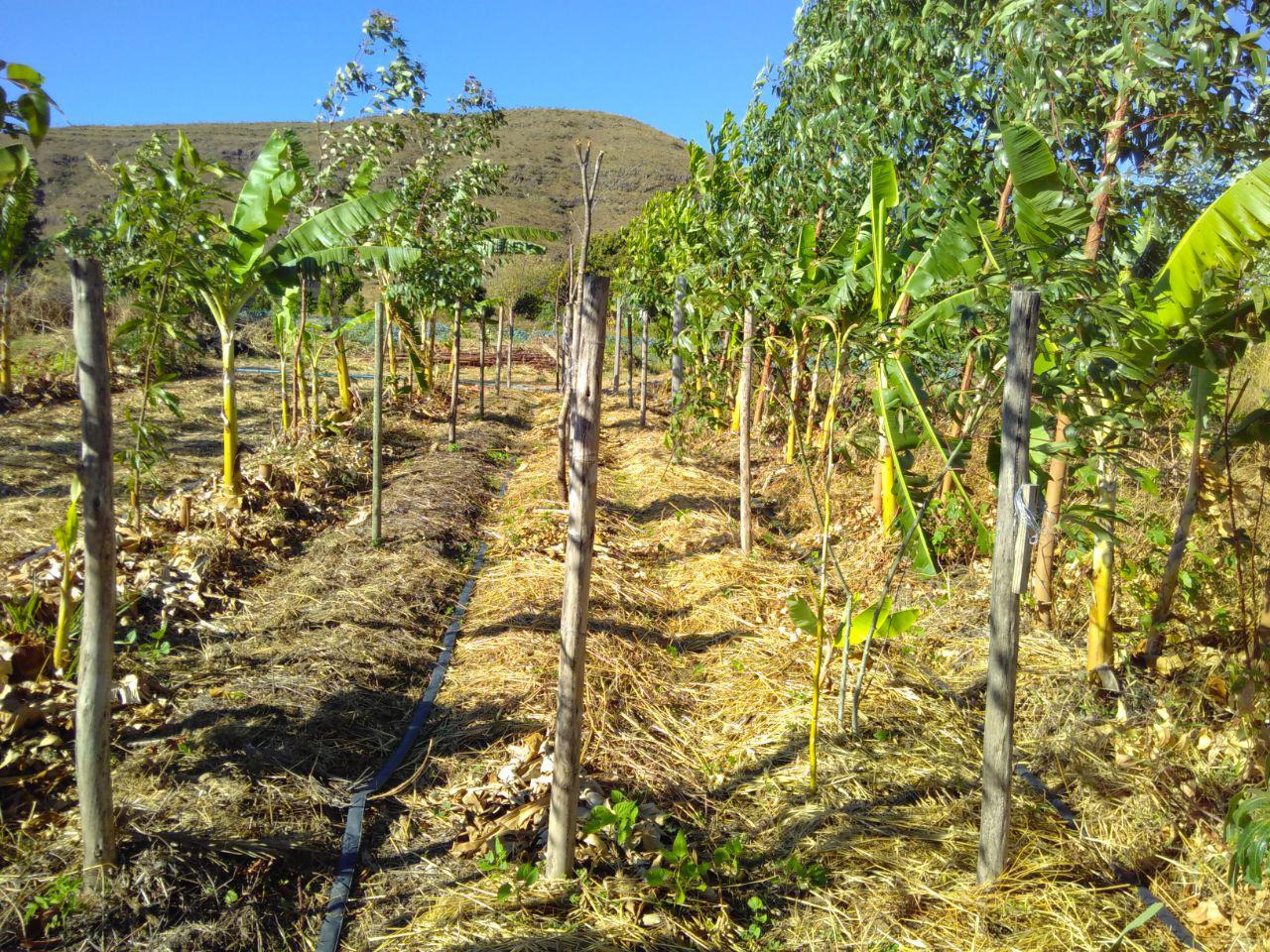
Nevertheless, I was able to interview 3 agroforestry farmers and get a deep insight into the life of an agroforestry farm: I stayed four nights at Sito Florestinha agroforestry farm. My contact, Dax, helped me out a lot and directed me to different places that could contribute to my thesis.
A “modulo” of Sito Florestinha agroforesty farm (Miller, 2019)
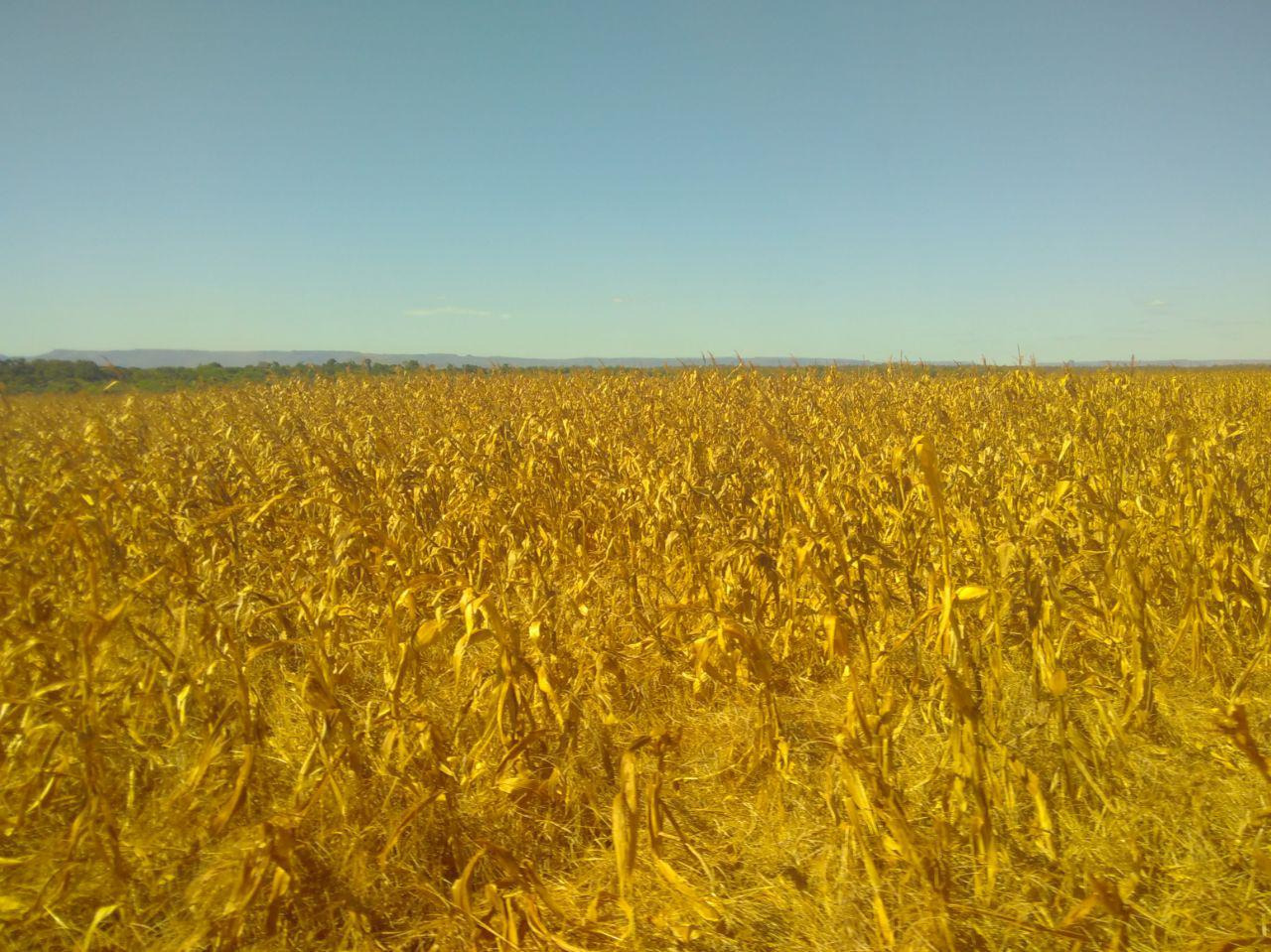
The second part of the trip in Porto Nacional (Tocantins) was the most productive. I had a backup team from COMSAUDE, a partner association of BRASA(my Brazilian partner institution), that helped me out in finding the right people to interview and the right places where to be. That week I had an information overload and interviewed 2 soy farm managers, 7 traditional family farmers and 4 farming institutions. I also managed to get in contact with the Federal University of Tocantins, attend a seminar on agrotox(alas pesticide) use in Tocantins and collaborate on some cerrado conservation projects of COMSAUDE.
A corn monoculture in Porto Nacional (Miller, 2019)
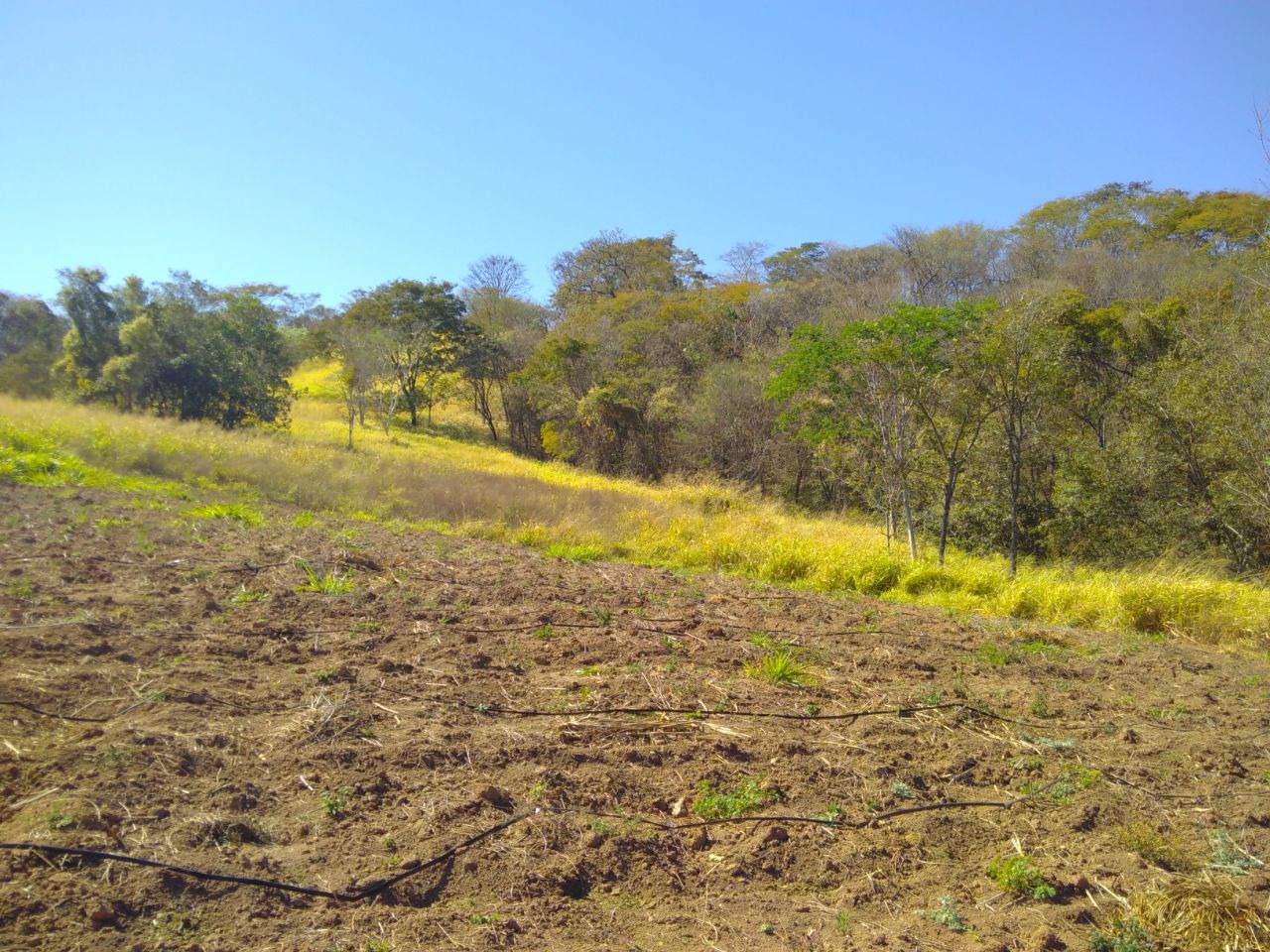
The third part of the trip was in Goiânia (Goiás). There, I found the right balance between research work and free time. I interviewed 1 agroecology family farm, 2 agroforestry farmers, 1 soy farm manager and 1 farming institution. I also visited the Federal University of Goiás, which carries out advanced research on ecology and agriculture. I engaged with with a lot of professors, PhD and Master students.
An agroecological family farm close to Goiânia (Miller, 2019)
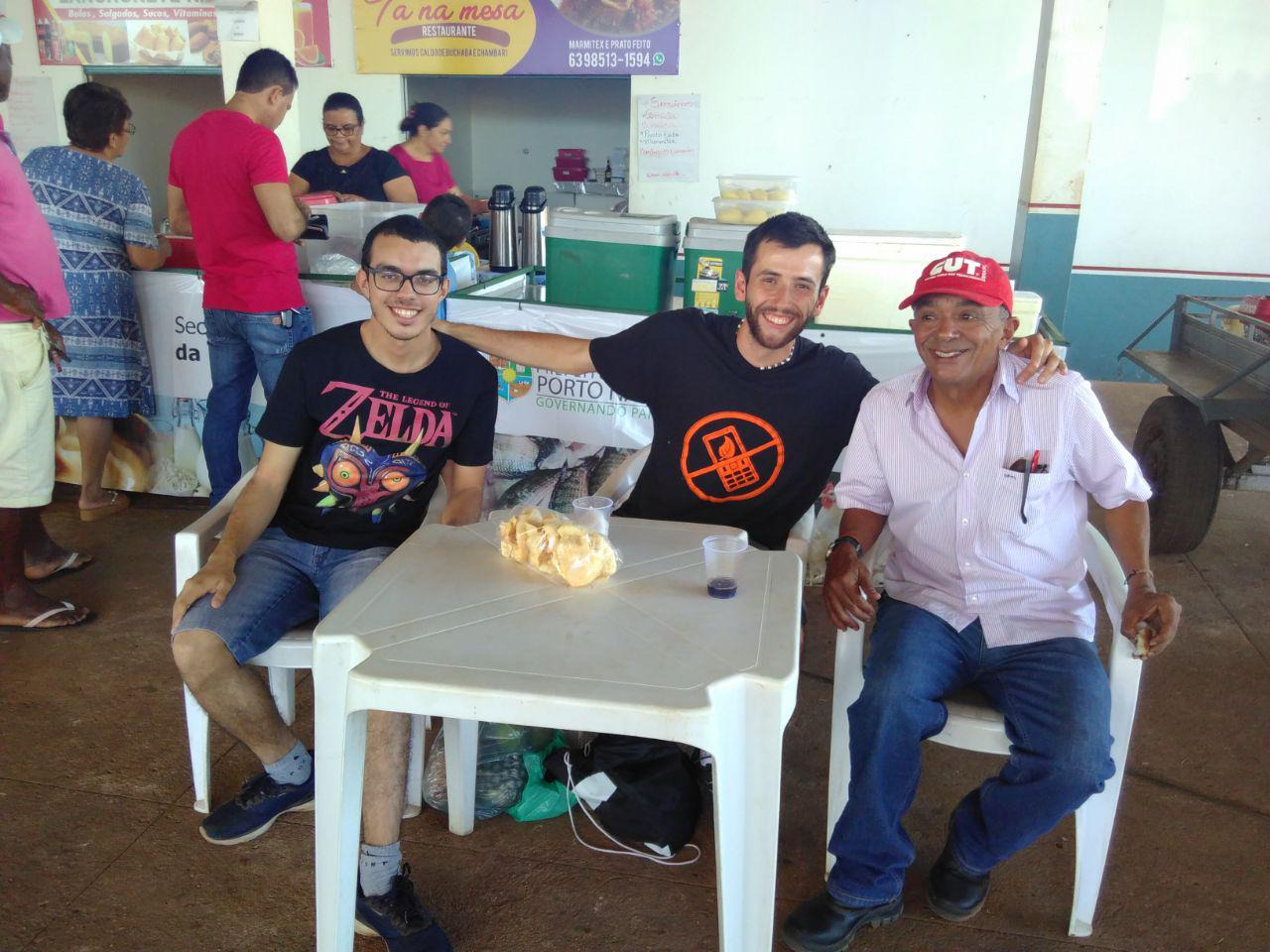
The amount of research data I was able to collect in a relative short time, was facilitated by the natural kindness and welcoming attitude of Brazilians. The help of locals and some basic knowledge of Portuguese were also keys factors of the success. Finally, to perform interviews and collect the data, I used investigation skills that I acquired from my intern at an environmental consultancy company in Milan.
Great interview helpers in Porto Nacional (Miller, 2019)
TRAVELING
Traveling was the ever-present element of the trip. I constantly had to move by plane, car, coach, city-bus, taxi and on foot.
When I first arrived to Brasilia, my luggage – containing my working clothes and the malaria pills – didn’t arrive. I had to stay in the expensive capital for five days and deal with lots of bureaucratic struggles with the airport offices. After buying some new clothes, a Brazilian phone and a sim card, registering to the Brazilian immigration office and renting a car, I left for Alto Paraiso without my luggage. The interviews to the agroforestry farmers were calling me and there was no more time to waste.
In that first adventurous part of the trip I had to deal with a great load of frustration, difficulties and uncertainties. In these moments, however, I found the best human solidarity and the most advanced ecological innovation in agroforestry farm communities.
When I did not get stuck in traffic or lost in cities, when I didn’t take wrong highway exits or miss buses, traveling around the Brazilian farmlands and the beautiful cerrado filled me with a great sense of freedom. Cruising around, working for the environment and enjoying stunning outdoor landscapes, compensated all the tiredness of the intense research work: I was doing what I really wanted to do for my thesis. I am thankful for having had that chance.
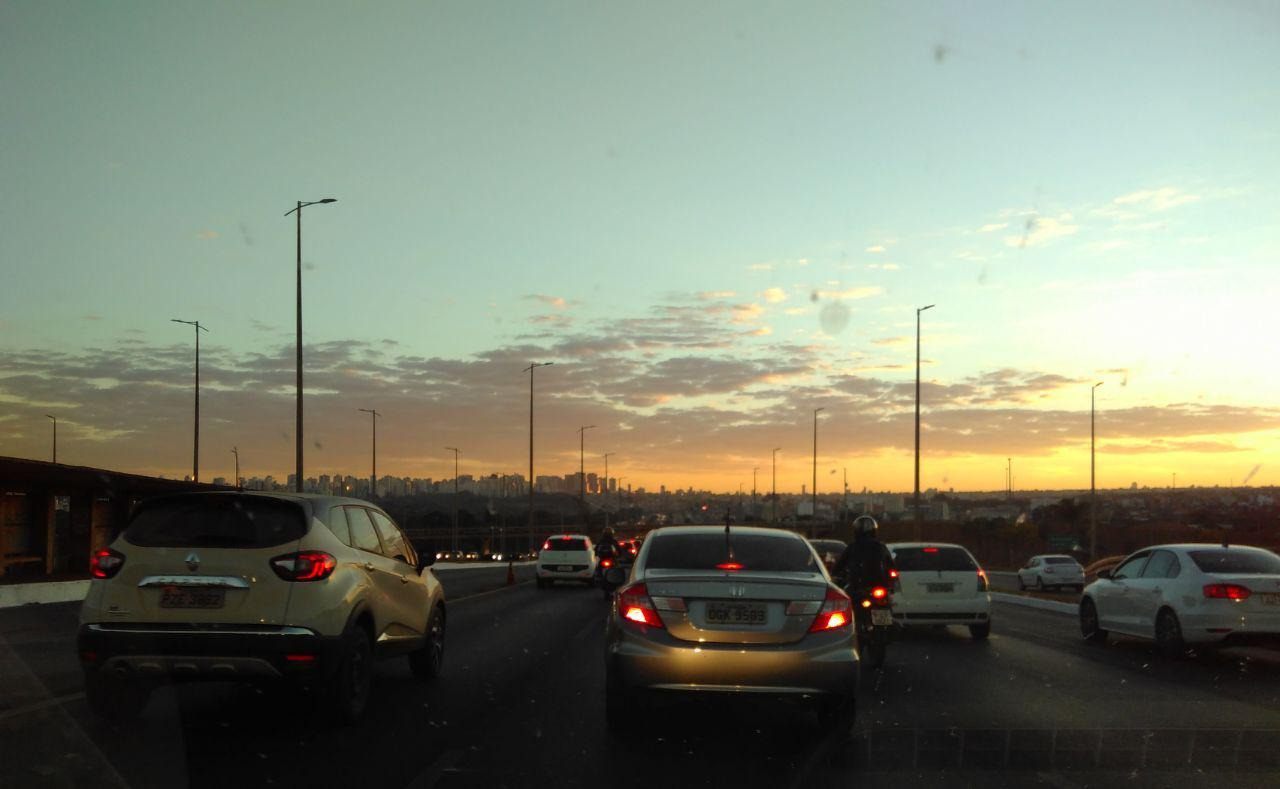
Stuck in the traffic of Brasilia on sunset (Miller, 2019)
LANDSCAPES
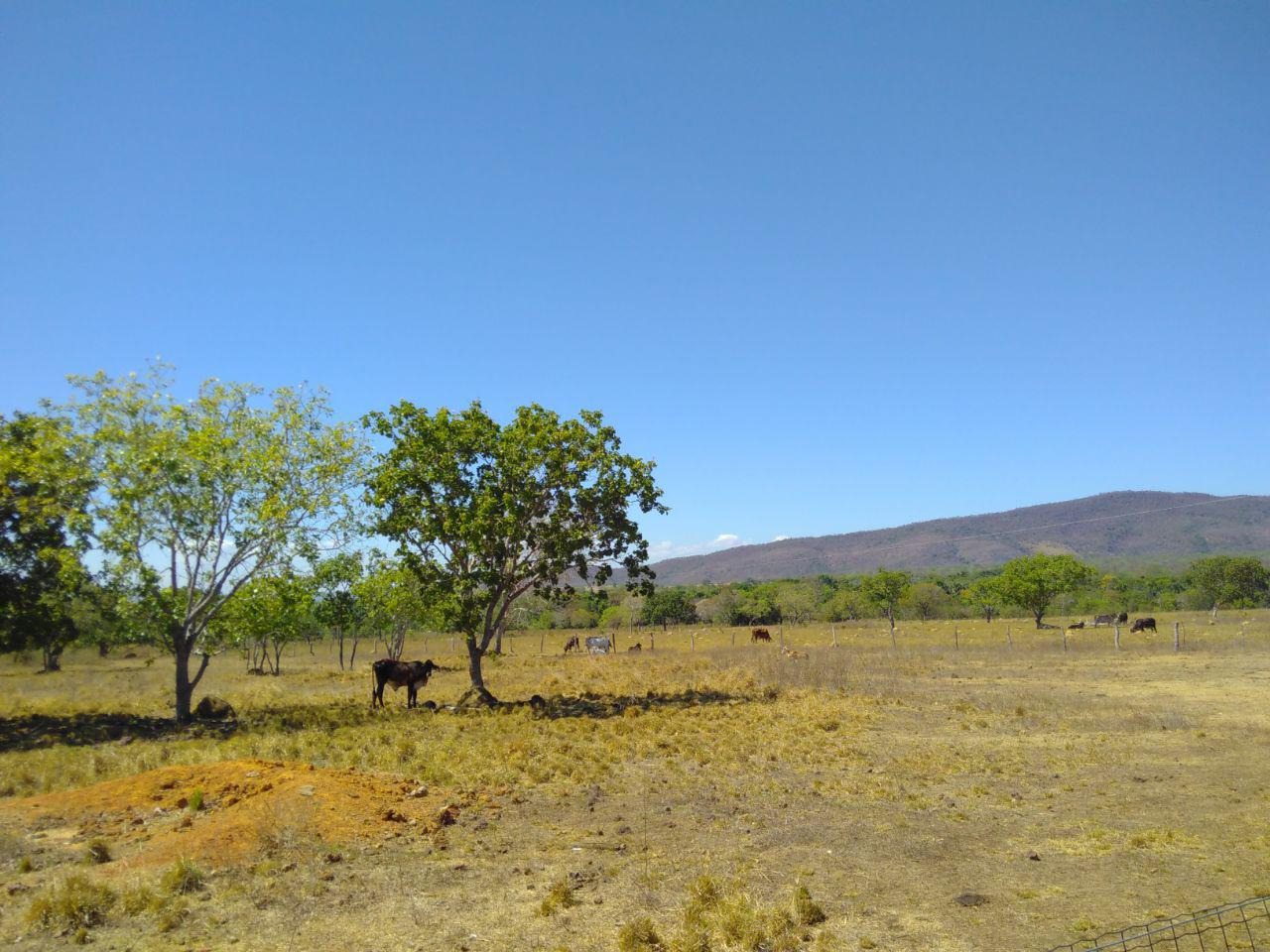
Thanks to the continuous traveling, I had the chance to see plenty different landscapes. From the over-controlled and disgustingly planned urban landscape of Brasilia to the astonishing Chapada de Veradeios nature reserve in Alto Paraiso. From the never-ending soy and corn monocultures in Porto Nacional to the pure and beautiful waterfalls of Taquarussu or Alto Paraiso. From the chaotic and urbanized city center of Goiâniato the relaxed farmlands in the outskirts and at the university campus.
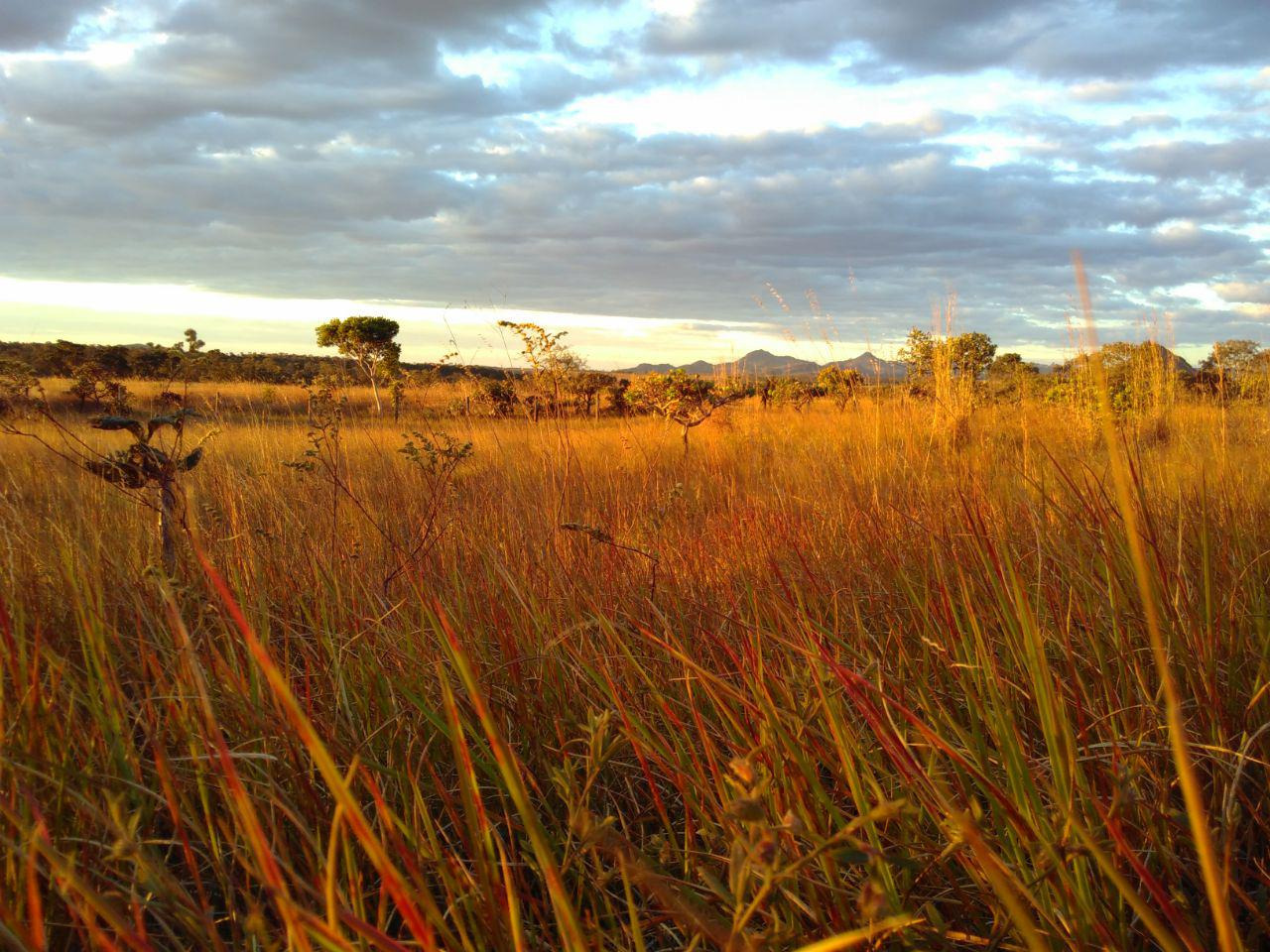
All this helped me see the cerrado from different points of view and helped me grasp a general idea of what sustainable farming in such ecoregion could look like.
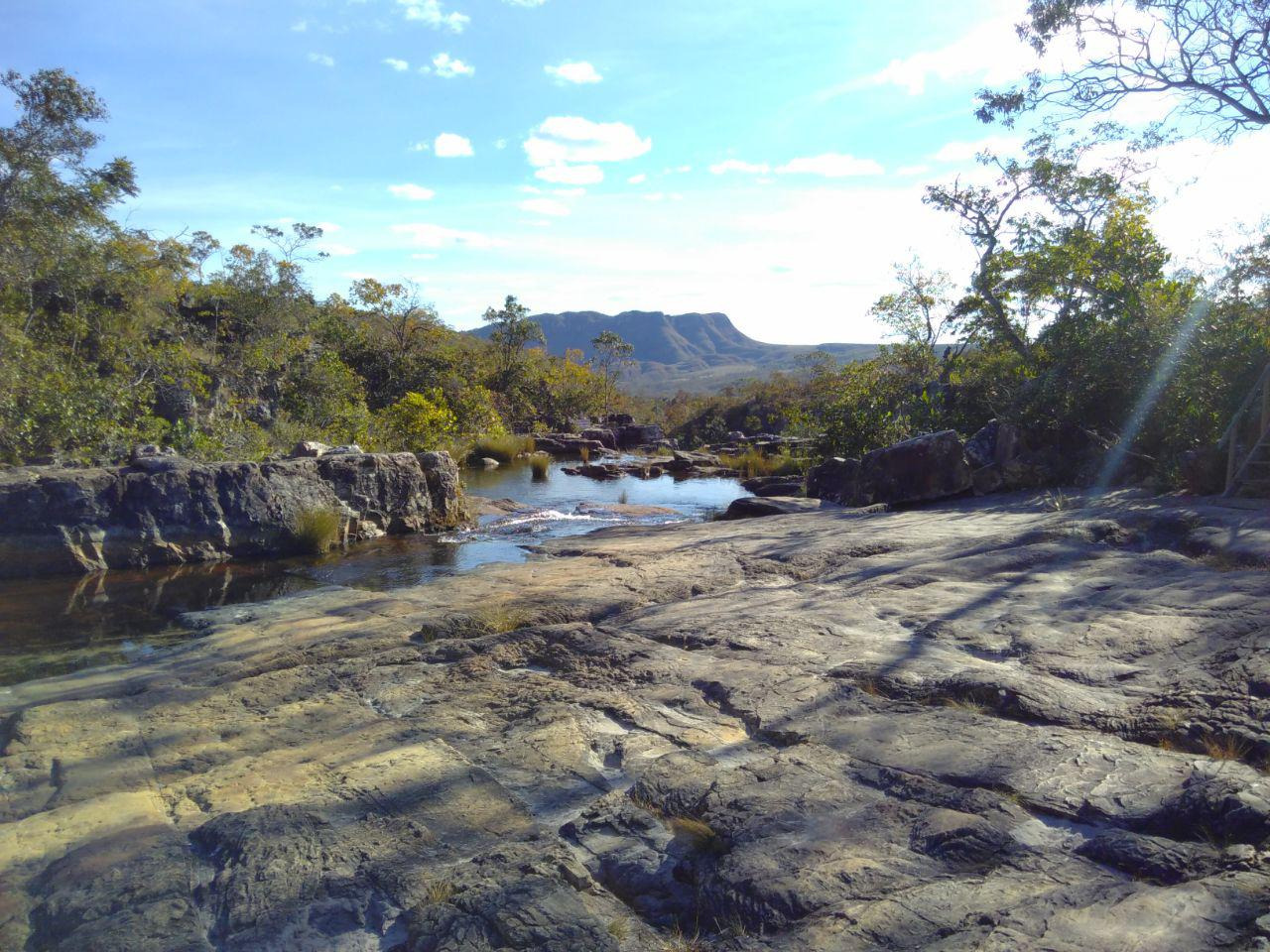
The cachoeiras of Vila Verde – Alto Paraíso (Miller, 2019)
PEOPLE
Besides the environmental diversity, Brazil is famous for its social diversity and sociability. The feeling that I got, is that Brazilians are welcoming,somewhat street-smart and explosive at times.
Agroforestry farmers have a strong community feeling and a sense of responsibility to change the current farming system, which is destroying the cerrado. Traditional family farmers aresound sellers and proud workers because they believe they are the ones feeding the city. They were also very kind and open to answer my research questions. Some of them feel a sense of community with the other family farmers, others don’t. Similarly, some of them have good ecological basics, others don’t. Finally, soy farm managers belong to a very different economic system and their status also affects their personality: they are more reserved but maintain the traditional Brazilian welcoming attitude.
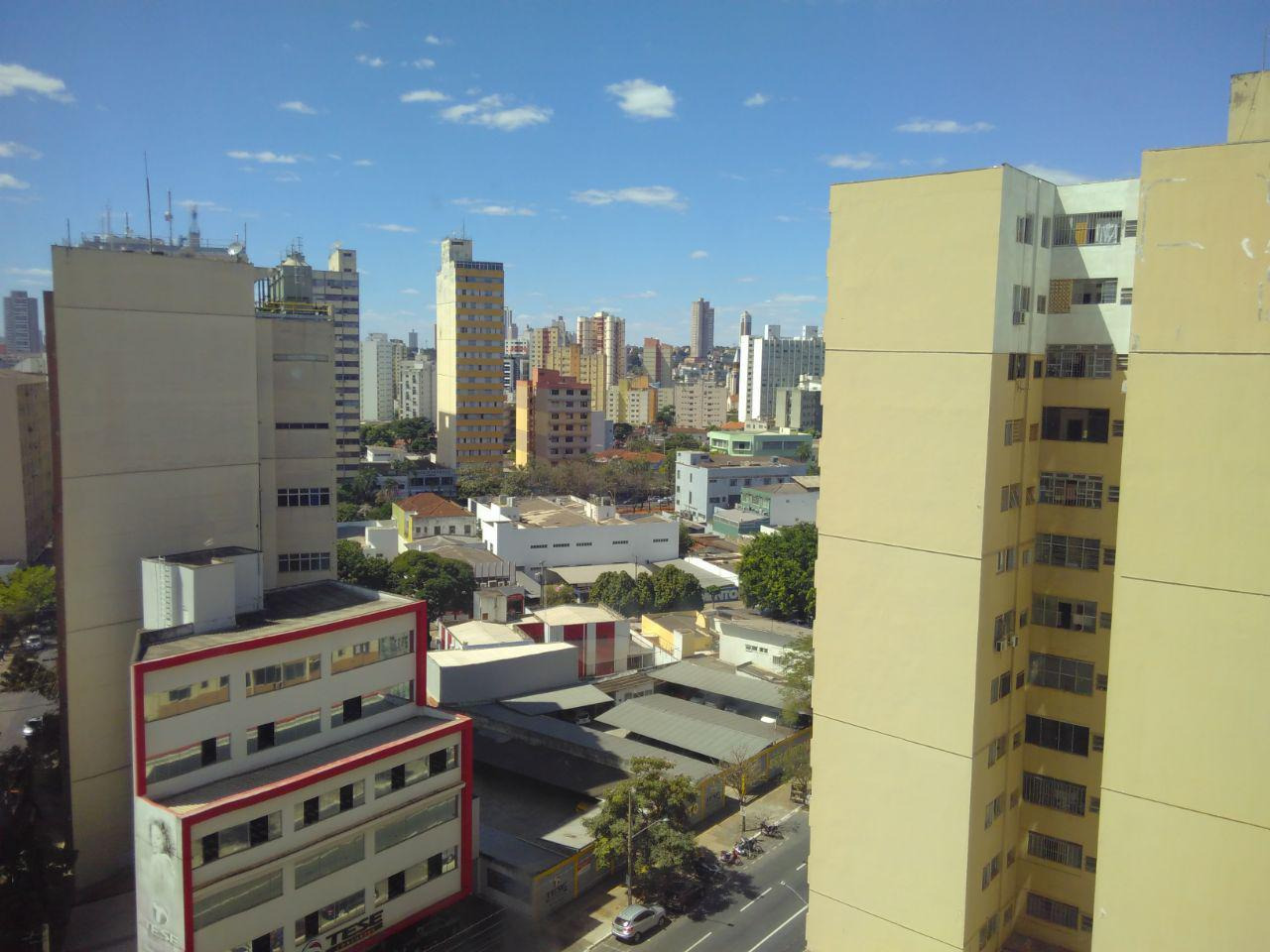
The urban landscape of “Babilonia” – Goiânia (Miller, 2019)
SECURITY AND SAFETY
Many people warned me to be cautious in Brazil. In some places, security could be an issue. In fact, households fenced with electric or barbed wire and security cameras everywhere give you an unpleasant feeling of insecurity. So, I paid attention to my safety when I spent many hours on the streets or in remote farms. Actually, I never ran into dangerous situations and never had the feeling of being in danger. My only preoccupation was when I interviewed an important soy farm manager in his office.
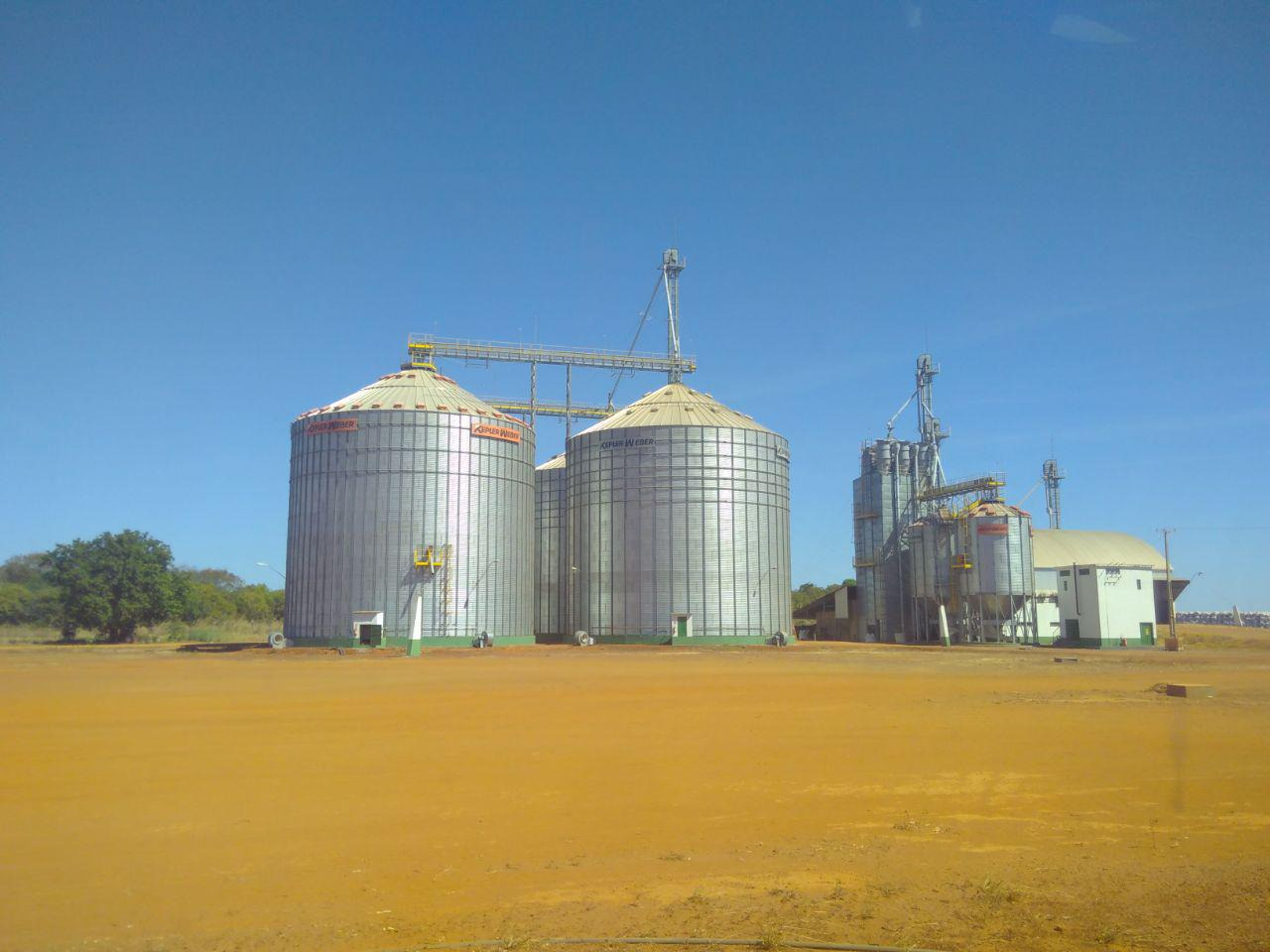
A soy farm storage plant in Porto Nacional (Miller, 2019)
CULTURE
During my little free time I had the opportunity to get to know more about the Brazilian culture.
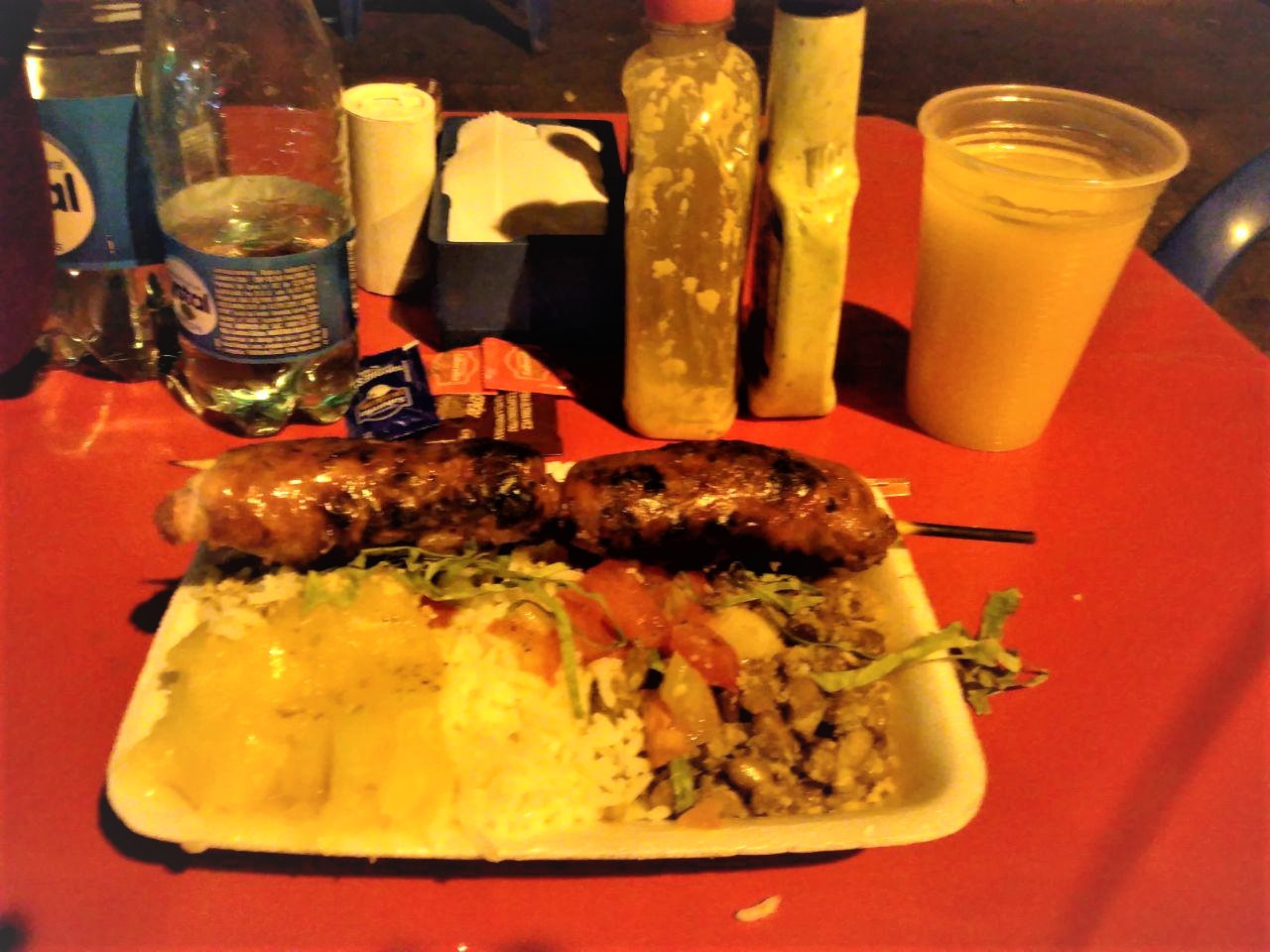
First of all, the Brazilian cuisine. I am Italian and I am used to high food quality standards, but I think Brazilian food is delicious and I fell in love with the their fruit and their prato feitos.
Second, the language. Don’t even think to go to Brazil without knowing a little bit of Portuguese. In Goiânia, I met two PhD students from Check Republic looking for new university partnerships in Brazil. Assisting to their communication exchange with the Brazilian professors and PhDs was hilarious.
Third, poverty. Although Brazil is a developed country, there still is poverty and a huge gap between poor and rich people. It’s a modern type of poverty, in which people have decent livelihoods, can afford fancy watches and the latest smartphones, but can’t go to the hospital because it’s too expensive. In general, the welfare system is behind European standards.
Delicious typical street food in Goiânia (Miller, 2019)
OVERVIEW
My research trip to Brazil has been extraordinarily adventurous, highly productive and lifetime memorable. It was my first real research study and I am extremely happy that I started in such a fashion. I don’t think I could have carried out a research study on Brazilian sustainable farming if I hadn’t included a similar field trip. I would have probably got bored and stuck at the introduction. Instead, I am now passionately motivated to write a sound, scientifically decent manuscript that can honor my research experience and all the field work hours that I spent. A manuscript that can honor the ongoing sustainability battle, the people that helped me out in the research and that believe in a more sustainable world, and those that constantly live daily struggles to farm their family farm. I wish to find the right technical and stylistic words that can communicate all this effectively. I will commit to that even when I’m bored typing on the computer or preparing the references.
A traditional dairy family farm in Porto Nacional (Miller, 2019)
THE MOST SUSTAINABLE TYPE OF FARMING FOR THE BRAZILIAN CERRADO
Well this is something I am working on. I can’t tell you now
Landscape view of the beautiful cerrado: the Brazilian savannah ecoregion (Miller, 2019)
1. Look at the abiotic elements
2. Analyze the biotic ones
3. Study the influence of humans
4. Enjoy the research experience, stick to your research plan and be ready to adapt it in case of unforeseen events, discover things unrelated to the research mission.
5. Have fun with the locals and your research mates. In the end, you’re not just a researcher but a beautiful human being.
Here a couple of photos of my extraordinary and lifetime-memorable university excursion in Peru.
Cloud networks as one of the biggest energy consumers in the ICT world. Nevertheless, Cloud technology is particularly handy, when it comes to traveling. In fact, traveling and transportation are key factors in the climate change challenge and that is why I will discuss about it today.
The growing number of people in the world, especially in urban areas, force us to rethink about the way we travel. Soon or later, we won’t be able to use one only type of transportation mean to get to a place. For example, getting out of home, hopping into our car and driving it directly in front of our favorite bar won’t be so easy in the future: traffic, parking, limited traffic zones and pedestrian areas will increasingly make life of car drivers more difficult.
The new way of traveling involves multiple transportation means:
Car + metro
Train + bus
Bike + train
Car + walking
Ferry + bus
…
Either we wanted or not, it’s going to happen. It’s definitely less comfortable but fairer and more eco-friendly.
Let’s get prepare for it!
In this sense, technology can help us in the process by making things easier. Here’s a list of some apps and sites that I personally use in my backpacker’s life. They can help you get around in Northern Italy, calmly are instantly plan your trips and chose the best routes. Maps
Google maps
Either your going far away or for a short trip just ask Google! Big-G is really good at dealing with thousands of possible routes and finding the best one. Also particularly helpful when you don’t know which is the local transportation app. https://www.google.it/maps/
Here
Implemented by Nokia, this app offers a great cartography service. It’s actually better than Google when you’re low with Giga and you want to tour around a foreign city: “Here” is very good for offline satellite navigation. https://wego.here.com/
ATM-Milan
Imagine to be in a hurry. You don’t have time to go buy a ticket at the tabacchino and the tram is about to leave. Ok, now take your phone out and send a quick message with the word “ATM” to the number 48444. Now jump in the tram, sit down, have a deep breath and relax: your ticket is on your phone. http://www.atm.it/it/AtmNews/AtmInforma/Pagine/bigliettoconSMS.aspx
Railway
Trenitalia
The app is slow and buggy but it’s definitely faster buying a ticket here than waiting for the queue at the machines in the stations.
http://www.trenitalia.com/tcom-en/Purchase/Mobile-Ticketing
Flixbus
Long distance coaches. A good alternative to Blabla rides. https://www.flixbus.it
Car sharing
Car2go
Smart-cars all over Milan and plenty other Italian cities. A little more than 25 cent per minute but totally practical for nightlife-goers. https://www.car2go.com/IT/en/milano/
Enjoy
The Italian car sharing service owned by ENI. Excellent for four-people groups. https://enjoy.eni.com/it